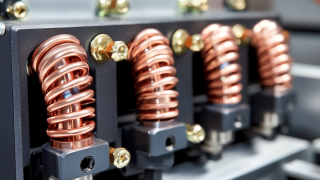
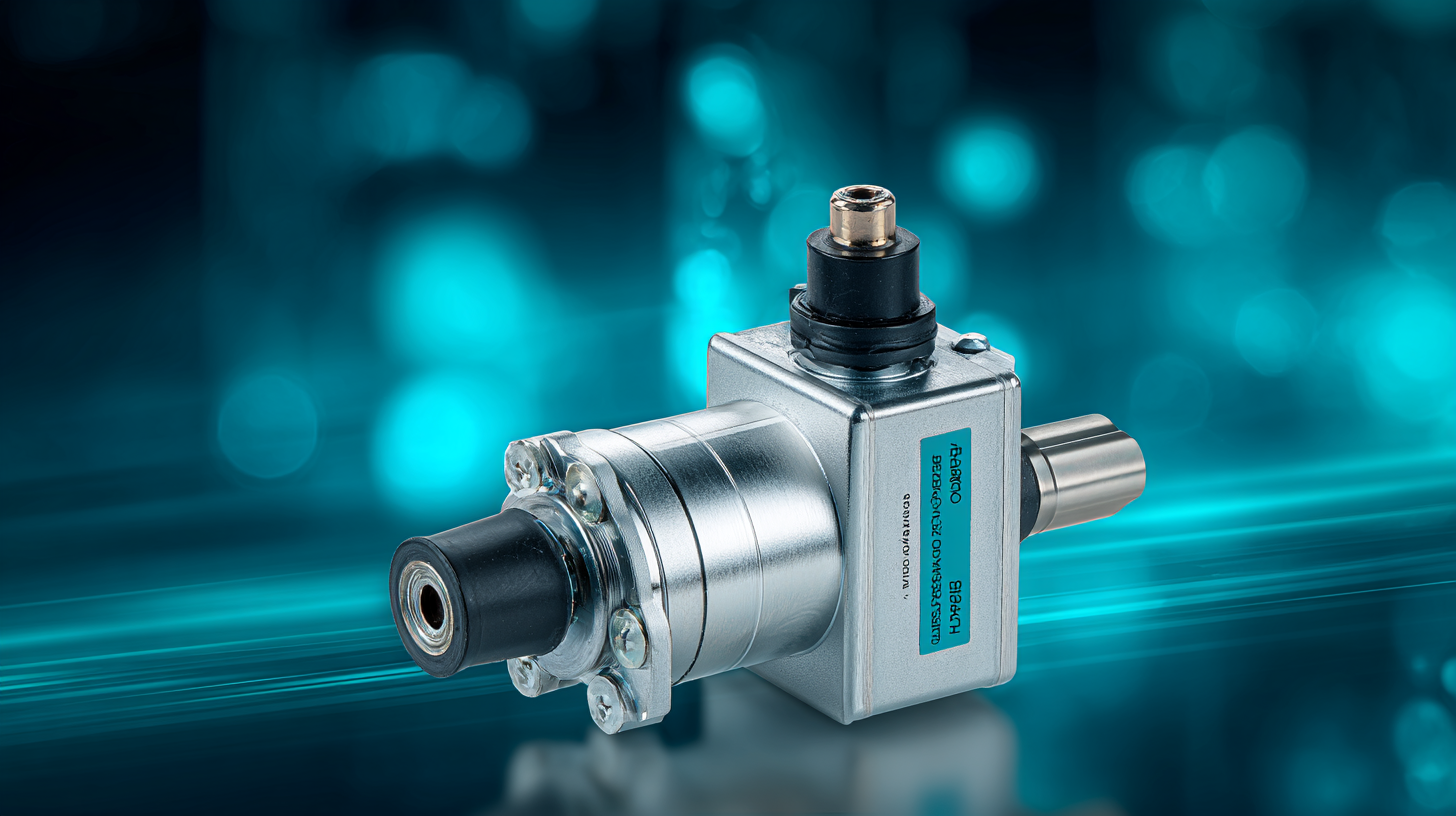
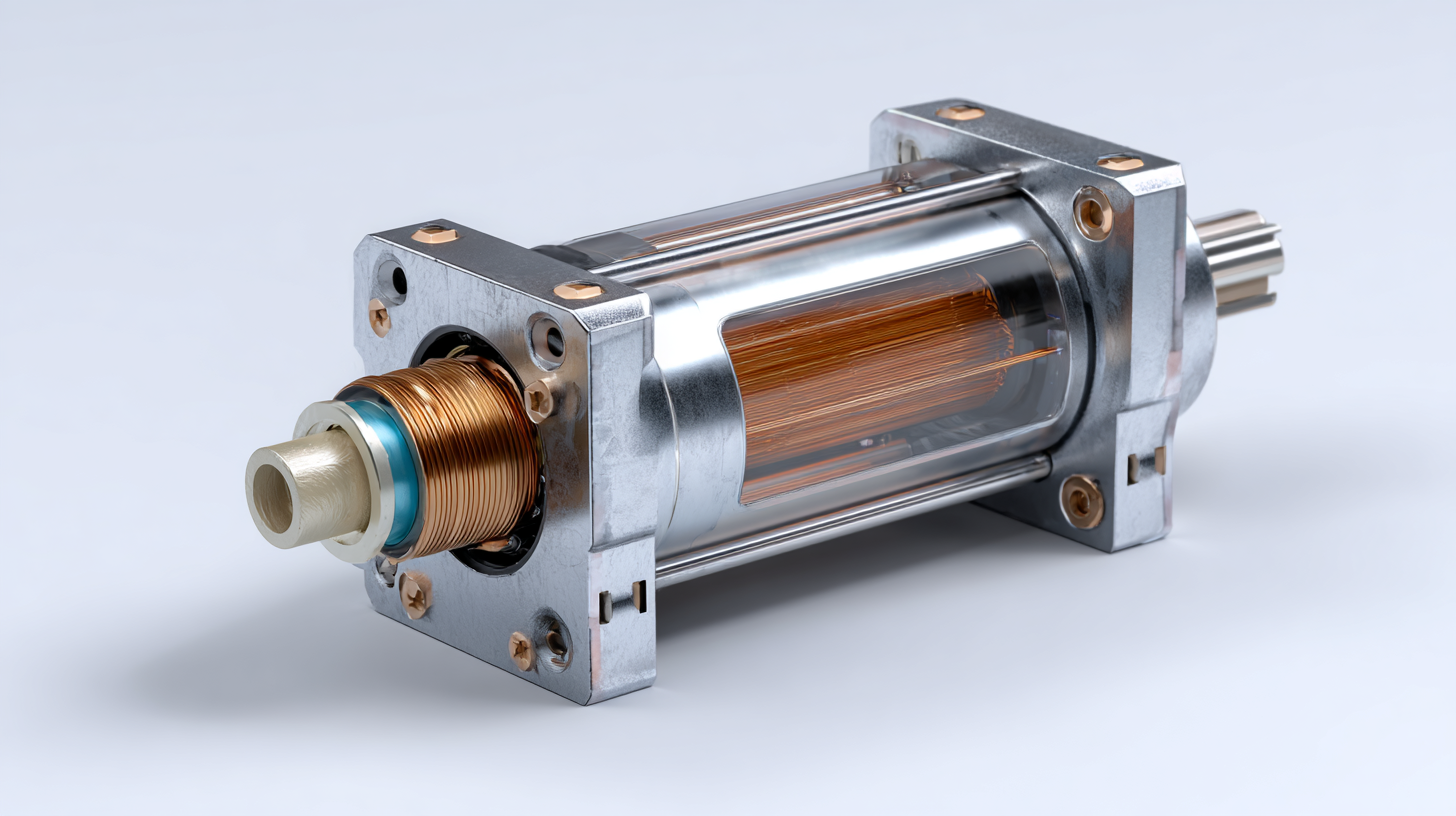
 You know, in the fast-changing world of industrial tech, picking the right components is super important for pushing the boundaries of innovation. DC solenoids are really leading the charge in this shift. As we head into 2025, it's key for businesses to stay on top of trends that affect how well these solenoids perform. That’s where Dongguan Asite Technology Co., Ltd. really shines. They've got a wide variety of products, like open frame, tubular, push-pull, holding, latching, and rotary solenoids, plus smart door locks and solenoid valves—the list goes on! What’s great is their focus on customization and innovative design, which means they don't just deliver high-quality items; they also back it up with amazing after-sales service and cost-effective maintenance solutions. In this blog, we're going to walk you through the important factors for selecting the best DC solenoid, so you can set yourself up for success in your future innovations.
Identifying Key Industrial Applications for DC Solenoids in 2025
Looking ahead to 2025, it’s pretty clear that DC solenoids are set to play an even bigger role in all sorts of industrial applications. With all the buzz around automation and smart tech these days, more and more industries are bringing DC solenoids on board for their systems—think precision control and efficiency. These little devices are super compact and allow for fast mechanical movement, which is why they’re so important in fields like robotics, automotive, and manufacturing. For engineers and manufacturers, figuring out what each application really needs will be key in choosing the right DC solenoid.
Take the automotive industry, for example. DC solenoids are absolutely vital for boosting vehicle safety systems and upping fuel efficiency. They’re at the heart of things like automatic braking systems and electronic throttle controls. And when it comes to manufacturing, these solenoids are a go-to in assembly lines and packaging machines, helping to keep things moving quickly and accurately. Spotting these key uses isn’t just about making production smoother; it’s also about setting the stage for future innovations that depend on how reliable and responsive DC solenoids can be. As industries keep evolving, picking the right DC solenoid is going to be super important for staying competitive and pushing forward with technology.
2025 Industrial Trends: Key Applications for DC Solenoids
Factors to Consider When Selecting a Reliable DC Solenoid Supplier
When you're on the hunt for a reliable DC solenoid supplier, there are a bunch of things you really need to take into account—these can seriously influence performance and spark innovation in various industrial applications. So, check this out: a recent report from MarketsandMarkets suggests that the global solenoid market could hit around $3.5 billion by 2025. Crazy, right? This growth is mainly thanks to leaps we're seeing in automation and electric vehicles. It really highlights how crucial it is to find suppliers who not only deliver top-notch products but also have a solid grasp of industry trends and the latest tech advancements.
One major thing you should keep in mind is how committed the supplier is to quality assurance. If they're ISO 9001 certified, then that’s a good sign they’re more likely to provide solenoids that not just meet but often exceed industry standards. Plus, taking a look at the supplier's range of products and their ability to customize can give you a better idea of how well they can adapt to your specific application needs. According to another report from ResearchAndMarkets, customization in solenoid tech really drives innovation, helping industries ramp up efficiency and performance in all sorts of applications. So, by focusing on these key factors, you'll be better positioned to choose a DC solenoid supplier that not only has your back today but is also geared up to support future innovations in the industrial scene.
2025 Industrial Trends: How to Choose the Best DC Solenoid for Future Innovations
| Criteria |
Description |
Importance Rating (1-5) |
Example Specifications |
| Voltage Compatibility |
Ensures the solenoid operates effectively within the desired voltage range. |
5 |
12V, 24V, 48V options |
| Force Output |
The amount of mechanical force the solenoid can deliver. |
4 |
Up to 10N, 20N, 30N |
| Duty Cycle |
The ratio of operation time to total time. |
5 |
10%, 50%, Continuous |
| Response Time |
The time it takes for the solenoid to activate after receiving a signal. |
4 |
|
| Environmental Ratings |
Necessary for operation in specific environments (e.g., moisture, dust). |
3 |
IP67, IP55 ratings |
| Cost Efficiency |
Balance between price and quality/performance. |
4 |
Price range of $10 - $100 |
Evaluating Technical Specifications for Optimal Performance and Efficiency
So, when you're picking a DC solenoid for those exciting new innovations coming up in 2025, it's super important to look carefully at the technical specs to get the best performance and efficiency. You really want to pay attention to key metrics like response time, operating voltage, and coil resistance. I mean, a solenoid that responds quickly can seriously boost the speed of automation processes, which is a big deal in fields like robotics and automotive applications. Plus, getting a handle on how voltage and coil resistance play off each other is key to choosing a solenoid that won’t guzzle power but still delivers reliable actuation—essential for those energy-efficient designs we’re all aiming for, right?
And hey, don’t forget about durability! The lifespan of the solenoid matters a lot. Specs like mechanical life cycles and how well it can handle different environments are crucial for long-term usability. Opting for a solenoid that can take on a high number of cycles not only makes it more reliable but also cuts down on maintenance costs, which is always a win.
Also, keep in mind the environmental factors—like temperature ranges and exposure to moisture or any nasty corrosive elements can really affect how well the solenoid performs in real-world situations. By carefully sizing up these technical specs, engineers can make sure they’re making the right choices that align perfectly with the needs of future innovations.
Innovative Features to Look for in Next-Generation DC Solenoids
You know, in today’s fast-paced world of industrial innovation, picking the right DC solenoid is super important for manufacturers who are really looking to boost their efficiency and functionality. As we glance ahead to 2025, there are a bunch of exciting features that you should keep an eye out for when selecting these next-gen DC solenoids. One big trend? Smart technology! It’s all about real-time monitoring and control nowadays. A report from MarketsandMarkets even says that the smart solenoid market is expected to grow at an impressive rate of 12.5% per year by 2025. Pretty wild, right? It really shows how much industries are getting into IoT-enabled devices.
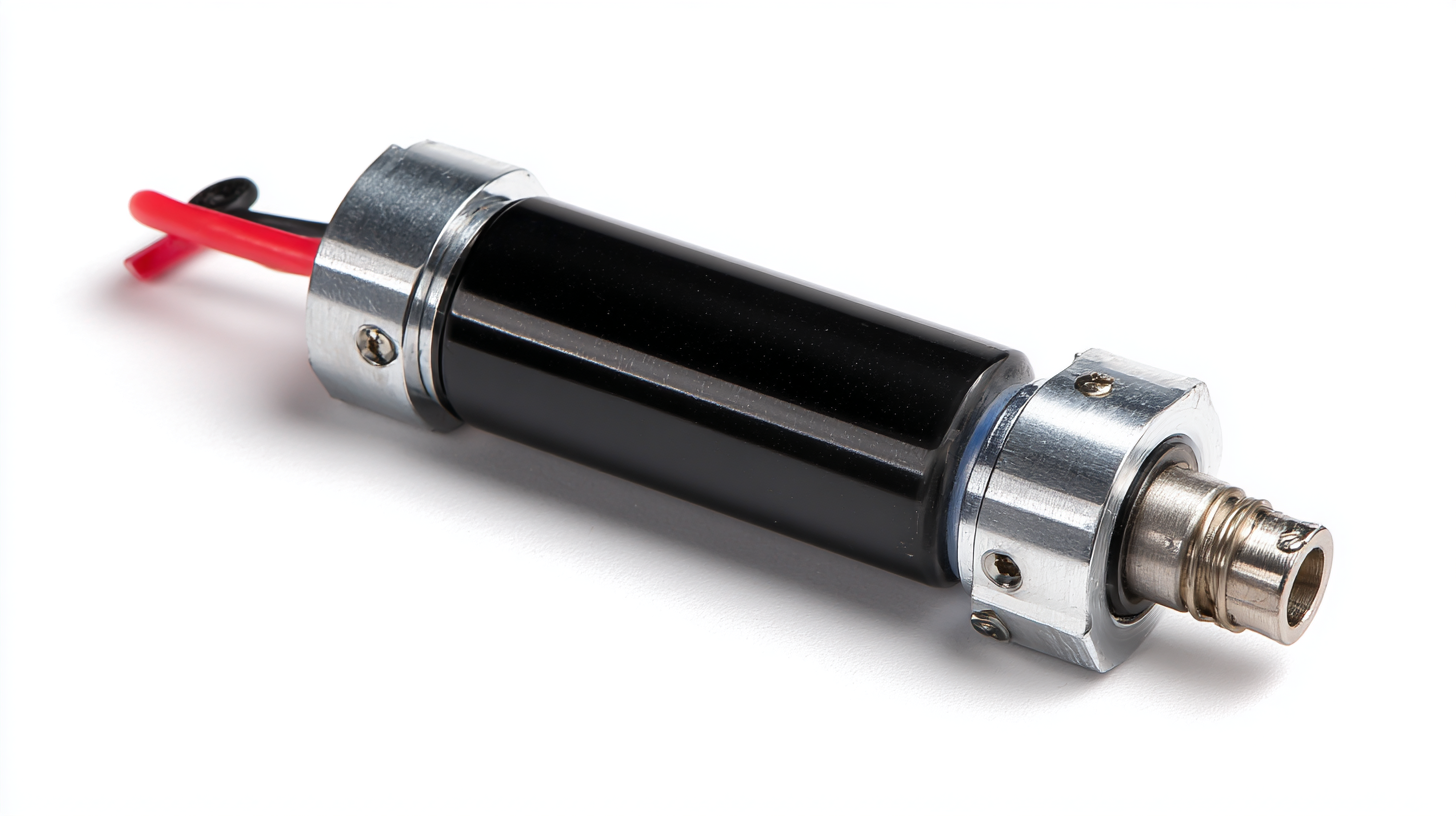
Another thing worth mentioning is energy efficiency. Today’s DC solenoids are crafted to use less power while still packing a punch in performance. Some reports have shown that energy-efficient solenoids can cut operational costs by up to 30% compared to the older models. So not only are we helping the planet, but we’re also making our equipment run even better!
Tip: When you’re looking at DC solenoids, it’s a good idea to take a closer look at the materials they’re made from. Using advanced materials can really enhance durability and help resist those tricky environmental factors, which means your solenoids will last longer and work reliably.
Tip: Don’t forget to check if they’re compatible with your existing systems. Making sure that the new solenoids can easily fit in with your current equipment can save you a lot of time and hassle, ensuring a smooth transition as you step into this new phase of innovation.
Building Long-Term Relationships with Your Solenoid Suppliers
You know, in today's fast-paced industrial world, it's super important to build lasting relationships with your solenoid suppliers if you want to keep that innovation and efficiency flowing. A bunch of industry reports are suggesting that there's gonna be a big increase in demand for high-quality DC solenoids, mainly because of all the cool advancements in automation and electric vehicle tech.
Plus, as more companies go green, it becomes essential to pick suppliers that can offer top-notch solenoids while sticking to those strict quality standards.
So, when you’re on the lookout for a solenoid supplier, here are a few tips to keep in mind: First off, check out their reputation and how long they’ve been in the game. Suppliers with a solid track record of successful partnerships are usually way better at anticipating what you might need down the line. Next, make sure they can give you solid support, like technical help and quick deliveries. Trust me, this kind of thing can really help cut down on downtime and keep your operations running smoothly. Finally, don’t forget to look for suppliers who invest in research and development. They’re the ones who’ll bring you the latest tech and features to keep you ahead of the pack.
With all the exciting growth and innovation on the horizon in this field, forming these strategic partnerships can really boost what you can offer and help you maintain your market edge. By nurturing these connections, you’ll be in a much better spot to tackle the challenges and seize the opportunities coming your way in the solenoid world.
Future-Proofing Your Operations: Integrating Smart Technologies with DC Solenoids
Hey there! So, as more and more industries hop on the automation and smart tech train, it's becoming super important to think about integrating
DC solenoids into your operations if you want to stay ahead of the game. These little devices
are pretty flexible and quick to respond, which makes them key players in all sorts of applications—from robotic systems to automated machinery.
If you pick the right DC solenoid, you can really boost your operational efficiency and reduce those pesky downtime moments.
Quick tip: When you're on the hunt for a DC solenoid, make sure to check out
the voltage and current ratings that align with what you need for your system. You want to ensure that the solenoid’s specs play nice with your
existing tech. This way, everything goes together smoothly, and you can really optimize how well your smart systems perform.
Another thing you definitely don’t want to overlook is the response time and switching
frequency of the solenoid. The faster the response, the better—especially in those high-speed applications where every millisecond counts!
Another quick tip: Always take a good look at the manufacturer's datasheets for these specs and check out user testimonials
or case studies for real-world performance. Doing your homework here can help you find a solenoid that not only covers your current needs
but also has the flexibility to adapt to whatever cool advancements come next in automation and smart tech.
Unlocking Precision and Quality: The Impact of AV 03 Good Automotive Vehicle Stamping Parts on Performance and Reliability
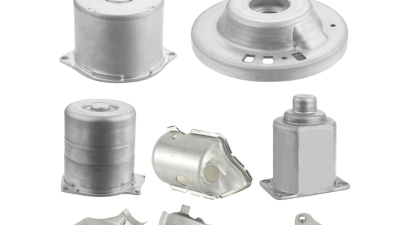
In the world of automotive manufacturing, precision and quality are paramount, and the AV 03 Good Automotive Vehicle Stamping Parts stand out in delivering both. These parts not only meet but excel in dimensional requirements critical for automotive applications. The flatness and contour of these stamping components ensure that they align perfectly with design specifications, contributing to an impeccable fit during assembly. This attention to detail significantly enhances the overall appearance and functionality of the vehicles, ensuring that parts like body coverings and structural beams maintain their integrity and aesthetics over time.
Moreover, the materials selected for these stamping parts play a crucial role in their performance and reliability. From engine components that endure extreme temperatures and pressures to frame parts designed to bear heavy loads, the right materials ensure that each part exhibits high strength, durability, and resistance to wear and corrosion. With a focus on producing components that are both lightweight and high in strength, manufacturers can achieve remarkable efficiency in fuel consumption and vehicle handling. As the automotive industry progresses towards sustainability, the recyclability of materials used for stamping parts also enhances their appeal, making them an environmentally conscious choice without compromising on quality or performance.
FAQS
: Key features include smart technology integration for real-time monitoring, energy efficiency to reduce operational costs, and advanced materials for improved durability.
The smart solenoid market is projected to grow at a CAGR of 12.5% by 2025, indicating increased adoption of IoT-enabled devices in various industries.
Energy-efficient solenoids can reduce operational costs by as much as 30% compared to traditional models, contributing to sustainability and enhanced equipment functionality.
Advanced materials can improve durability and resistance to environmental factors, ensuring the longevity and reliability of the solenoids.
Ensuring new solenoids are compatible with existing systems minimizes downtime and facilitates smoother transitions during upgrades or innovations.
Manufacturers should assess the supplier's track record, ensure they provide comprehensive support, and prioritize those committed to research and development.
Long-term relationships with reliable suppliers can enhance innovation, maintain high-quality standards, and safeguard market position amidst growing demand.
The shift towards automation and electric vehicles is driving significant demand for high-quality DC solenoids, making supplier selection critical for manufacturers.
Suppliers that provide technical assistance and timely delivery can significantly reduce downtime and enhance the overall operational efficiency of manufacturers.
By fostering strategic partnerships with innovative suppliers, manufacturers can better navigate upcoming challenges and seize opportunities in the evolving marketplace.