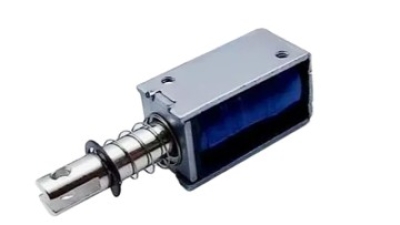
These days, with technology moving fast and everything changing so quickly, the humble solenoid magnet has become a pretty big deal. You’ll find it popping up in all sorts of places — from car systems to clever locking mechanisms. I came across a report by Markets and Markets that says the global solenoid market could hit around USD 15.84 billion by 2026, growing at about 5.23% each year from 2021 onward.
Here at Dongguan Asite Technology Co., Ltd., we’re proud to offer a wide variety of these little gadgets — everything from open frame and tubular models to push-pull, holding, latching, and even rotary solenoids. We really focus on customizing solutions to meet different needs, which helps us stay ahead in this tech game. As more industries recognize just how versatile and useful solenoid magnets are, it’s fascinating to see how they’re making devices more efficient and functional. Honestly, it’s an exciting time for this tech, and it’s only going to get more innovative.
Exploring Solenoid Magnets: A Key Component in Electric Vehicles
You know, when we talk about the future of electric vehicles (EVs), it’s clear that a bunch of innovative tech plays a big role. But one component that really stands out is the solenoid magnets. These little guys are pretty essential—they help control the vehicle’s electrical systems, whether it’s braking, cooling, or other functions, with really great precision.
Recently, there’s been some exciting progress with solenoid gas valves, especially those designed for hydrogen energy. It’s pretty cool to see how the tech is evolving to support greener, more sustainable transportation options. It just shows how flexible and adaptable solenoid technology really is.
On top of that, the current trade tensions, especially concerning the supply of rare earth materials, really highlight how important solenoid magnets are for modern vehicle production. Countries are feeling the pinch with restrictions and supply chain hiccups, which has made the demand for new solutions skyrocket—think innovative magnetic alloys and soft magnetic materials. These advancements don’t just make EV motors more efficient; they also help manufacturers stay afloat despite all the chaos in the global market. In the end, it’s clear that solenoid tech isn’t just a small part anymore—it’s actually shaping the future of transportation in a pretty big way.
Revolutionizing Robotics: The Role of Solenoid Magnets in Automation
In today's fast-moving world of automation and robotics, solenoid magnets are pretty much essential for boosting how things work and making them more efficient. These little devices, which use electromagnetic coils to move stuff in a controlled way, are at the heart of smooth robotic operations. They help with precise movements and tight control, from assembly lines to smart factories. Basically, solenoids give the power needed to automate all kinds of tasks, making them a super valuable part of modern tech.
Here at Dongguan Asite Technology Co., Ltd., we cover a wide range of solenoid products—think open frame, tubular, push-pull, holding, latching, and rotary types. Our designs are innovative and not only meet standard specs but can also be customized to fit what our clients need. Whether it’s for robotic arms or automatic locking systems in smart doors, our solenoids are built to be reliable and get the job done efficiently. Thanks to advanced solenoid tech, we’re really helping push the boundaries of robotics, making automation smarter and more versatile across different industries.
7 Innovative Uses of Solenoid Magnet in Modern Technology
| Application |
Description |
Benefits |
Example Use Case |
| Robotic Grippers |
Solenoid magnets are used to control the gripping mechanism of robotic arms. |
Precise control and quick response time. |
Manufacturing automation lines. |
| Locking Mechanisms |
Solenoids provide secure locking for automated doors and equipment. |
Enhanced security and ease of access. |
Access control systems in smart buildings. |
| Actuators |
Used in various actuators for controlling movement in robots and machinery. |
Fast response and high reliability. |
Automated assembly lines. |
| Sorting Systems |
Solenoids can be employed to sort items in automated systems. |
Increased efficiency and speed in sorting processes. |
Package sorting in logistics centers. |
| Medical Devices |
Used in medical devices for precise control of needles and surgical instruments. |
Improved precision and safety in procedures. |
Robotic surgery systems. |
| Magnetic Levitation |
Solenoid magnets are part of magnetic levitation systems for transport technology. |
Reduced friction and increased efficiency. |
Maglev trains. |
| Tilt Control |
Used for controlling the tilt in drones and other flying devices. |
Improved stability and control. |
Drones in agriculture. |
Smart Home Innovations: Solenoid Magnets in Modern Appliances
These days, with smart homes becoming more common, solenoid magnets are playing a pretty crucial role in making our gadgets more functional and efficient. Honestly, they’re not just about tech hype — they actually make life a lot easier. For example, you might’ve noticed solenoid magnets in smart door locks; with just a tap or your smartphone, you can lock or unlock your door without fumbling for keys. It’s pretty cool how they boost security too, letting you go keyless while blending smoothly with home automation systems.
And it doesn’t stop there. These little devices are also found inside everyday appliances like washing machines and ovens. They help control things precisely—think about locking the door during a wash cycle or kicking off self-cleaning modes automatically. That means your appliances can react smarter to what you tell them, saving you time and hassle. As tech keeps moving forward, I’ve got a feeling solenoid magnets will only become more important in making our homes even smarter and more convenient.
Medical Applications: How Solenoid Magnets Enhance Diagnostic Tools
You know, solenoid magnets are really pushing the boundaries in medicine these days. They’re making a huge difference in how we diagnose and treat various conditions. For example, low-field MRI machines are gaining attention as a more accessible alternative to those big, high-powered systems we’re all used to. Usually, MRI scanners have whacked-out magnetic fields around 1.5 Tesla, but recent tech advances suggest we might get just as good images with lower magnetic strength — and that’s pretty fantastic. It means MRI could become more affordable, with less costly setups, and patients would probably find scans a lot more comfortable without sacrificing quality.
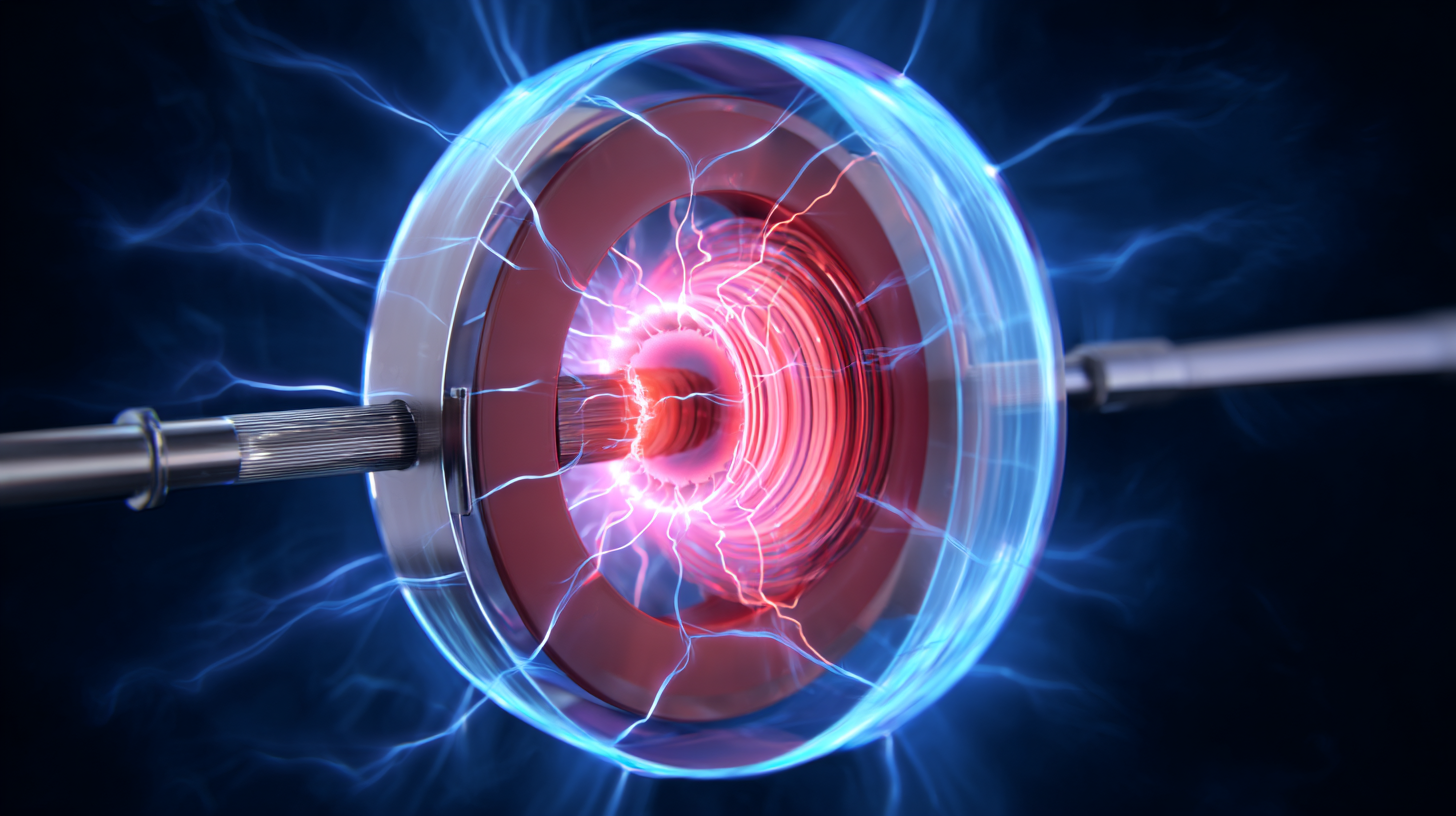
On top of that, if you’re into robotics, you’ve probably heard about magnetic continuum robots. They’re an exciting new use of solenoid magnets, really revolutionizing how we do certain procedures. These tiny robots can be controlled magnetically, making surgeries less invasive and easier on patients. Less tissue trauma usually means a quicker recovery, which is a win-win. Plus, there’s this cool thing called capsule robots—small devices you swallow that travel through your gut for internal scans. It’s part of a bigger trend where magnetic systems help with minimally invasive diagnostics, especially since gut health is increasingly linked to overall physical and mental well-being. All in all, the way solenoid magnets are being used nowadays really shows just how much potential they have to transform medicine as we know it.
Industrial Automation: Streamlining Manufacturing with Solenoid Solutions
When it comes to industrial automation, solenoid magnets are pretty much essential for bumping up both efficiency and precision in manufacturing. I came across a report from MarketsandMarkets that predicts the whole automation market will hit around USD 296.7 billion by 2026, and a big chunk of that growth is thanks to devices like solenoids. These magnetic actuators are really good at controlling how materials move through production lines, making everything run smoothly and accurately. Since they can switch states quickly, machines can adapt on the fly to changing demands, which helps cut down on downtime and keeps production running without hiccups.
On top of that, using solenoid solutions actually makes things safer and more reliable in the factory. A recent study published by the International Journal of Advanced Manufacturing Technology shows that adding solenoid valves into automated systems can cut failure rates by up to 30%. That’s a pretty big deal—less maintenance hassle and safer operations overall. As more industries jump into automation, it’s clear that clever uses of solenoid magnets are fast becoming a must-have for smarter, more efficient manufacturing. Honestly, it’s pretty exciting to see how these tiny devices are making such a big difference.
Cutting-edge Research: Future Trends in Solenoid Magnet Applications
Looking ahead, it pretty much seems like solenoid magnets are about to shake things up across a bunch of industries, thanks to how versatile and efficient they are. I mean, data shows that the global market for these magnets was worth around $2 billion in 2022, and it’s expected to keep growing at a rate of about 6.5% annually from 2023 all the way through 2030. Most of this growth is driven by the rising demand for automation in manufacturing, where solenoids are really crucial for making operations smoother, faster, and more precise.
And here’s the exciting part—there are some pretty cool new trends emerging. For example, you’ll see solenoid magnets playing a bigger role in things like renewable energy, medical tech, and even self-driving cars. In renewable energy, they’re being used in wind turbines to improve how efficiently they turn wind into electricity. Plus, thanks to advances in miniaturization, these magnets are making their way into more high-tech, tiny medical devices—helping doctors diagnose and treat patients more accurately. As we shift toward electric and autonomous vehicles, solenoids are expected to be a key piece of the puzzle—they’ll power important systems and boost safety features. All in all, the future for solenoid magnets looks pretty bright, and it’s safe to say they’ll be major players in the tech of tomorrow.
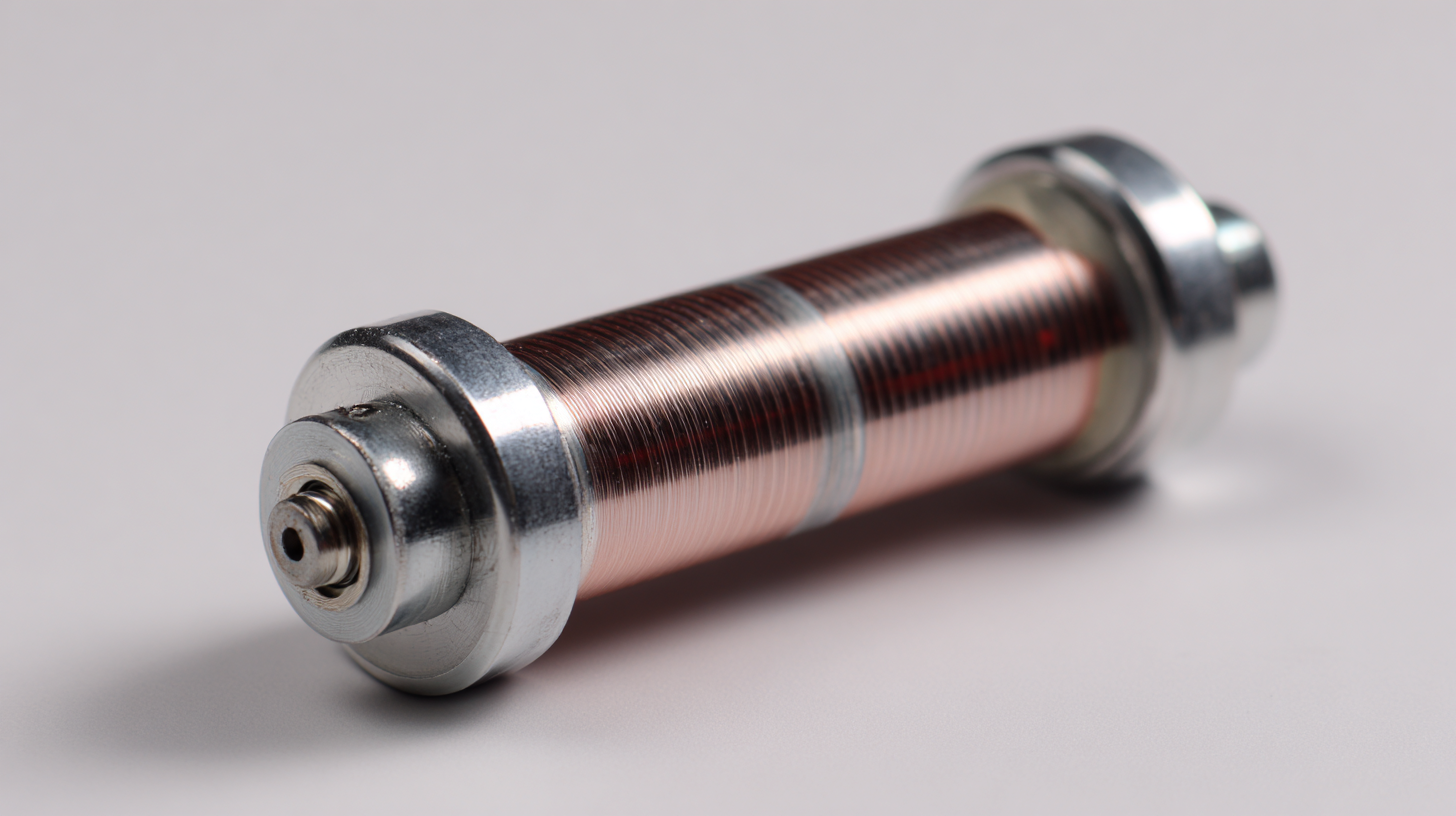
Harnessing Power: Exploring the Versatility of the AS 0730 High Force Push Pull Solenoid 12V in Innovative Applications
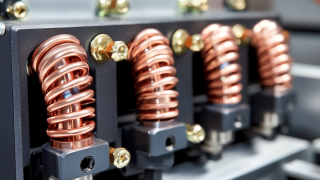
The AS 0730 High Force Push Pull Solenoid 12V stands out in the realm of electromagnet technology, offering robust versatility across various innovative applications. A solenoid operates as an electromagnet, composed of a copper coil with a metal frame at its core. When electrical power is applied, the plunger is drawn into the coil, enabling it to engage in both pulling and pushing actions. This dual functionality makes it an essential component in numerous mechanical systems.
One of the key advantages of the AS 0730 model is its impressive strength relative to its compact size. Measuring just 40mm in length, it features a fixed frame and an integrated return spring, allowing for reliable movement and positioning of the shaft. Unlike many cheaper alternatives that lack an armature and spring mechanism, the AS 0730 ensures that the shaft remains securely in place during operation and returns to its original position when no force is applied. This reliability is crucial in high-demand scenarios, such as robotics and automation, where precision and efficiency are paramount.
Industry reports highlight a growing trend in the use of high-force solenoids within automated systems. Data indicates that the global market for solenoids is expected to reach $6 billion by 2026, driven by advancements in automation technology and miniaturization. The AS 0730 aligns perfectly with this trend, providing manufacturers with a powerful tool ready to tackle various challenges in fields ranging from automotive to consumer electronics. Its adaptability ensures that it will play a vital role in shaping the future of innovative mechanical designs.
FAQS
: Solenoid magnets are crucial components in EVs, aiding in the management of electrical systems and enabling precise control over functions like braking and thermal management.
Recent developments in solenoid gas valves have been focused on hydrogen energy applications, reflecting a shift towards more sustainable technologies in the automotive sector.
Trade tensions, particularly concerning the supply of rare-earth materials, highlight the importance of solenoid magnets and drive the demand for innovative solutions like new magnetic alloys.
Solenoid magnets enhance functionality and efficiency in robotics by creating controlled movement, enabling precise actuation and control in automated systems.
The company specializes in various solenoid products, including open frame, tubular, push-pull, holding, latching, and rotary solenoids, along with customized solutions for specific applications.
Solenoid magnets improve manufacturing efficiency by controlling material flow on production lines and enabling machinery to respond quickly to demand changes, minimizing downtime.
Implementing solenoid valves in automated systems can reduce failure rates by up to 30%, decreasing maintenance costs and enhancing operational safety.
The industrial automation market is expected to reach USD 296.70 billion by 2026, with solenoid devices significantly contributing to this growth by optimizing factory operations.
By integrating advanced solenoid technology, industries can achieve greater reliability and efficiency, leading to transformative changes in automation processes.
Solenoid magnets are essential for creating smarter, more efficient manufacturing processes as they enhance speed, accuracy, and safety in production environments.
Conclusion
Solenoid magnets are pretty amazing components — super versatile and really important in so many of today’s tech gadgets. Take electric vehicles, for instance. They use these magnets to make actuators and locking mechanisms work smoothly, which not only boosts performance but also keeps things safe. In robotics, they’ve totally changed the game, allowing for precise movements in automation setups and helping boost productivity. Then there are smart homes, where these magnets keep our appliances responsive and easy to use — kind of like having tech that just “gets” you.
And it doesn’t stop there. In the medical world, solenoid magnets are crucial for improving diagnostic tools, making them more reliable and functional. On the industrial front, they help automate manufacturing processes, making everything run more efficiently. Plus, as researchers keep exploring new applications, the future of solenoid magnets looks pretty exciting. At Dongguan Asite Technology Co., Ltd., we’re proud to offer a wide variety of these magnets — from open frame and tubular options to fully custom solutions — all designed to meet the changing needs across different industries.