Leave Your Message
-
Phone
-
E-mail
-
Whatsapp
-
Whatsapp

In today’s fast-changing world of electronics, you really can't underestimate how important small, efficient components are. One component that’s been catching more and more attention lately is the Air Core Coil Inductor. It’s known for being super lightweight and compact, but still delivering impressive performance. Unlike typical inductors, air core ones don’t have that core material that can cause energy losses, which makes them perfect for high-frequency stuff. Here at Dongguan Asite Technology Co., Ltd., we get how crucial it is to stay ahead with new tech—whether that’s solenoids or custom solutions. By bringing innovations like air core coil inductors into our designs, we’re able to boost the performance and reliability of our products—things like solenoids and smart door locks. So, in this article, I want to share a bit about the perks of air core coil inductors and how they’re helping push modern electronics forward—plus, how they fit into our bigger goal of providing tailored solutions for all sorts of applications.
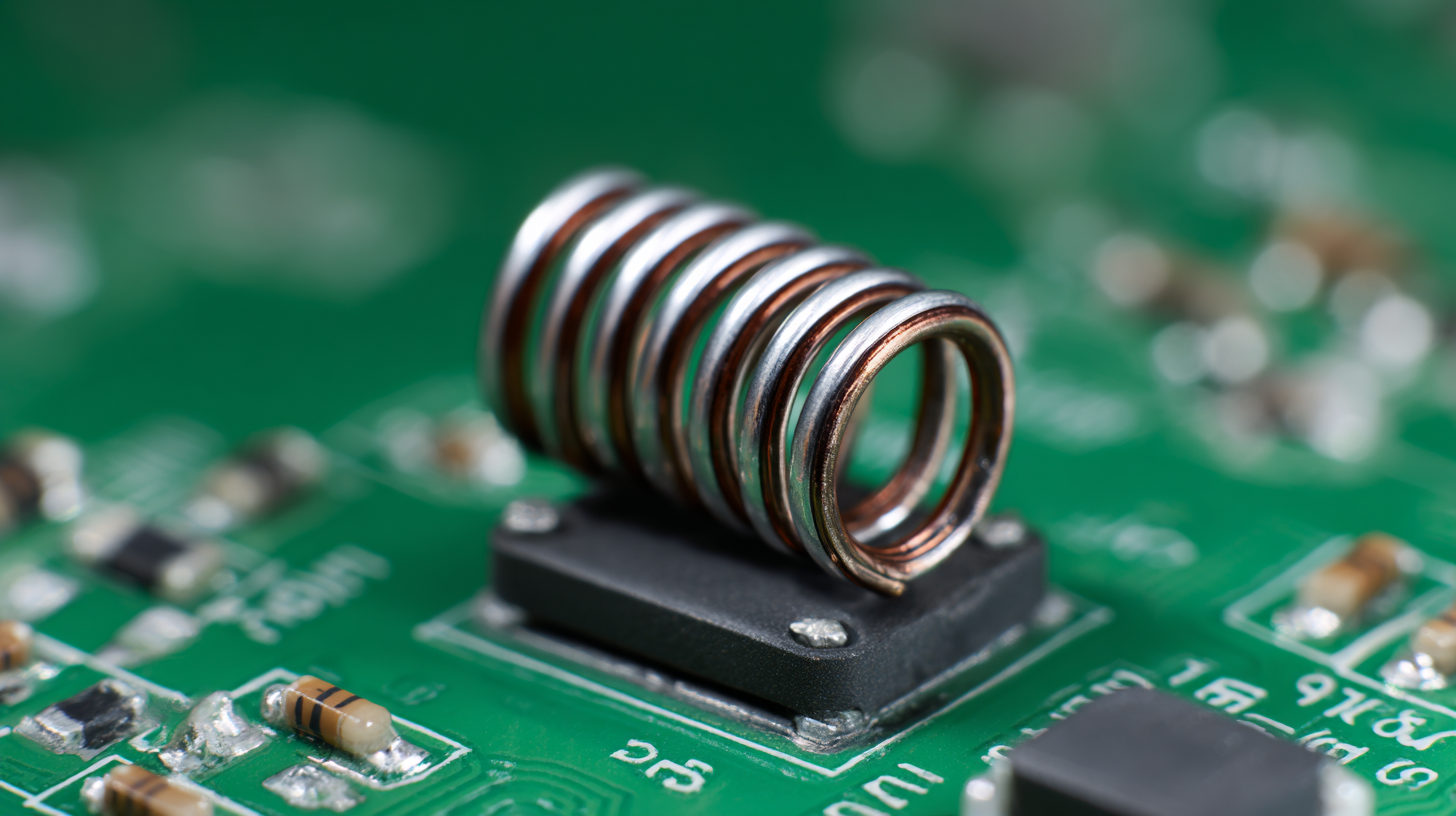
Air core coil inductors have really started to stand out in modern electronics, mainly because they cut down on eddy current losses. Unlike your typical inductors with ferromagnetic cores, these air core ones don’t have any conductive material that could cause those annoying, energy-wasting currents. You see, eddy currents happen when magnetic fields change inside a material that conducts electricity, and that ends up turning energy into heat—basically, wasting power. Using air as the core helps keep these losses minimal, which means the inductors stay efficient—something that’s super important, especially in high-frequency circuits and power electronics nowadays.
On top of that, reducing eddy currents also helps keep things cooler and more reliable. Less heat means your electronics can run within their ideal temperature range, which honestly, helps them last longer and makes failures less likely. This is a real game-changer, especially for compact gadgets where space is tight and overheating could cause big problems. All in all, choosing air core coil inductors is a smart move—it makes your devices more efficient, durable, and easier to work with overall.
The rising demand for customized high-quality electric winding air core coil inductors is reshaping the landscape of advanced electronics. Air core inductors, characterized by their unique design and principles, utilize free space rather than magnetic materials. This absence of a magnetic core leads to significant performance advantages, particularly in high-frequency applications where efficiency is paramount. According to a recent industry report, the global inductors market is projected to grow at a CAGR of 6.1% through 2027, with specialized products like air core inductors witnessing notable demand due to their efficiency and reliability.
One of the defining features of air core inductors is their construction, which inherently eliminates core losses associated with traditional inductors. Hysteresis and eddy current losses, which can compromise efficiency, are notably absent in air core designs. This allows them to perform optimally in a variety of applications, particularly in sectors like telecommunications and aerospace where precision and efficiency are critical. However, it's important to note that the inductance value of these inductors tends to be lower due to the magnetic permeability of air. To counter this limitation, manufacturers are increasingly focusing on customizing the number of turns in the inductor coil to enhance magnetomotive force, further driving the trend towards tailor-made solutions to meet specific application needs.
With the continual advancements in materials science and engineering, the air core inductor market is positioned for further innovation, as companies aim to leverage market insights and address the growing demand for high-quality, efficient electronic components. As such, the future of air core inductors looks promising, offering compelling opportunities for manufacturers and consumers alike in the advanced electronics arena.
: The main advantage of air core coil inductors is their reduced eddy current loss, leading to higher efficiency and less energy loss as heat.
Air core inductors generate less heat, allowing components to operate within optimal temperature ranges, resulting in longer lifespans and reduced risk of failure.
Air core inductors are especially beneficial in high-frequency circuits, power electronics, portable devices, and aerospace technology due to their size, weight, and efficiency benefits.
They reduce circuit size and weight by utilizing air as the magnetic medium, allowing for smaller circuits without compromising functionality.
Although air core inductors may have higher material costs, they offer enhanced efficiency that can reduce overall system expenses over time.
Their lightweight and compact design allow engineers to create smaller, more efficient circuits, which is crucial in the evolving trend towards miniaturization in electronics.
Yes, traditional inductors may be more cost-effective in certain low-frequency or high-current applications despite their drawbacks.
Air core inductors often have lower production costs due to simpler construction methods compared to traditional inductors, which require more complex assembly.
The absence of a heavy magnetic core in air core inductors leads to a lighter overall device weight, enhancing portability.
Their long-term benefits include enhanced performance, improved reliability, and potential overall cost savings, making them a wise investment in electronic design.
Hey, have you ever read about air core coil inductors and how they’re changing the game in modern electronics? I recently came across an article called "Exploring the Advantages of Air Core Coil Inductors in Today’s Tech," and I found some pretty interesting points. For starters, these inductors help cut down on eddy current losses, which basically means devices run more efficiently—especially when you're dealing with high-frequency stuff. Plus, they’re great for heat management, and because they’re smaller and lighter, circuits can be made more compact and easier to fit into different gadgets or systems.
Another thing that caught my eye is how they stack up cost-wise. Turns out, air core coils can actually be more economical compared to traditional ones, making them a smart choice for manufacturers looking to save a bit. The article also touches on how they fit into the bigger picture of sustainable tech—aligning well with today’s push for greener, more eco-friendly electronics. Companies like ours, Dongguan Asite Technology Co., Ltd., are really in a good position to make the most of these innovative components. Whether it’s solenoids or smart devices, we can leverage this tech to stay ahead and deliver some seriously cutting-edge products.


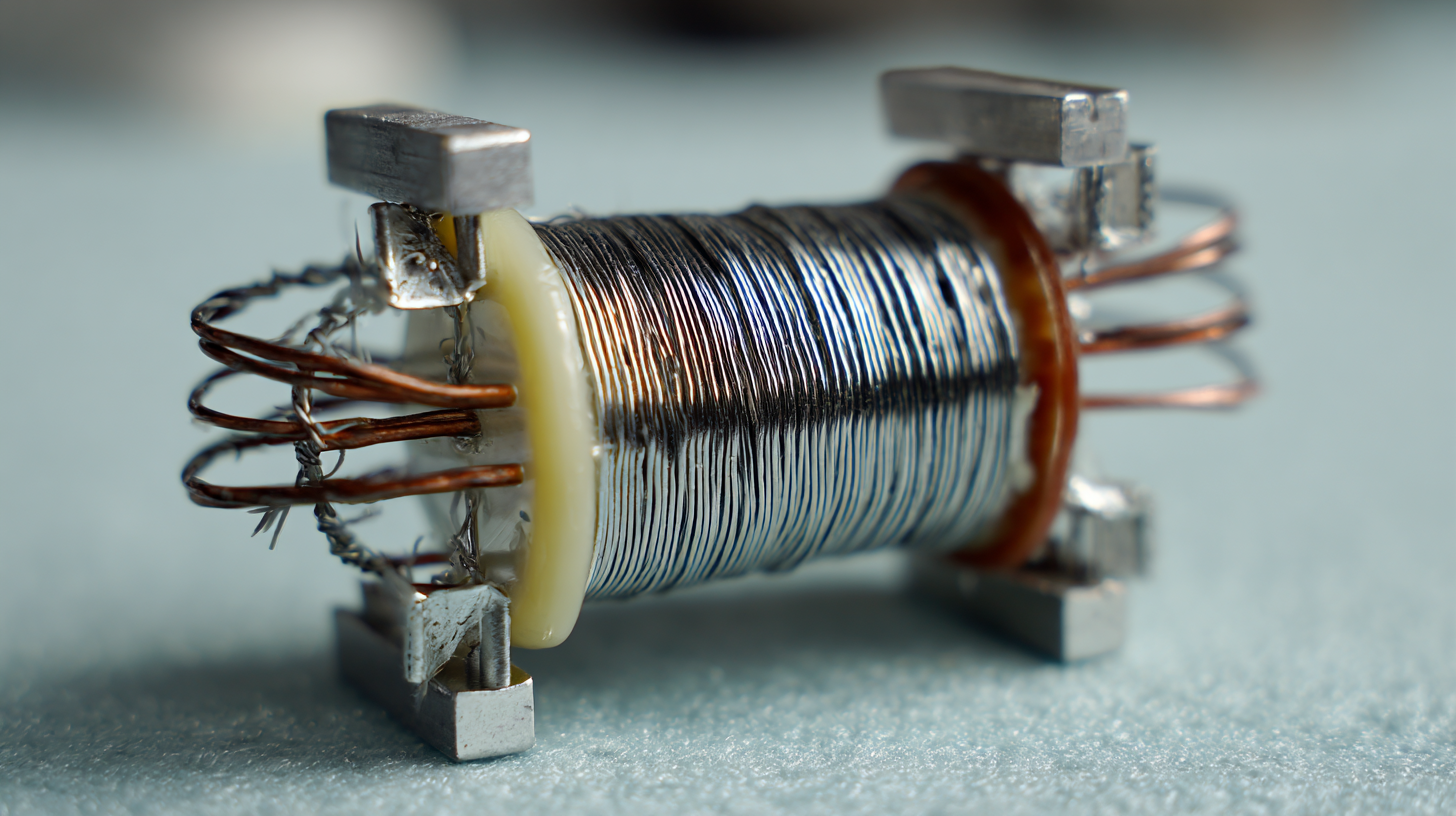 Air core inductors, for instance, are gaining popularity because they perform so well. Unlike the traditional ones that rely on ferromagnetic cores, air core designs tend to lose less energy—they don’t suffer from magnetic saturation or hysteresis issues, which makes them perfect for high-frequency stuff where stability and reliability are key.
I recently came across an industry report that mentioned air core inductors can keep efficiency above 90% at frequencies over 1 MHz—a huge deal for things like telecom and RF circuits.