Leave Your Message
0%

When it comes to boosting performance in your various applications, choosing the right solenoid coils really makes all the difference. Here at Dongguan Asite Technology Co., Ltd., we totally get that everyone's needs are different. That’s why we offer a wide range of options—whether it’s open frame, tubular, push-pull, holding, latching, or rotary solenoids—we’ve got you covered. With our experience in designing custom solutions, our goal is to help you find the most efficient solenoid coils that improve both how well things work and how reliable they are.
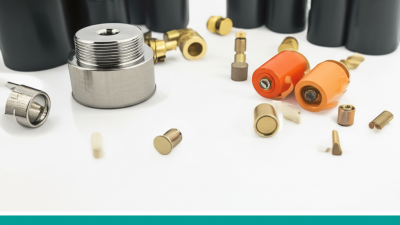
7 Best Practices for Choosing Solenoid Coils for Maximum Efficiency

In this blog, I’ll share seven best practices for picking out the right solenoid coils, so your company can get the most out of their performance. We’ll cover everything from understanding what your operation actually needs to thinking about environmental factors—these tips will help you make smarter, more informed decisions that match your project’s goals. So, join us as we dive into the world of solenoid coils and see how much they can really impact your innovations.

Understanding the Basics of Solenoid Coils: Types and Functions

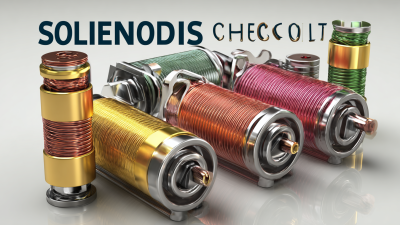
Solenoid coils are pretty essential parts in all sorts of things—think automotive systems, industrial machinery, you name it. If you really want to get the most out of them, it helps to understand the different types and what they do. At the heart of it, solenoid coils work based on electromagnetism. Basically, when an electric current flows through the coil, it creates a magnetic field that can move a ferromagnetic core or actuator. That simple principle makes them super useful for stuff like automatic doors, hydraulic valves, and even some medical gadgets.

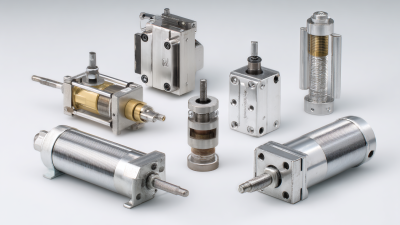
Now, there are a few different kinds of solenoid coils, each built for specific purposes. The most common ones you’ll come across are DC solenoids, AC solenoids, and latching solenoids. According to reports from MarketsandMarkets, the global market for solenoid valves is projected to hit around USD 9.2 billion by 2025 — crazy, right? That surge is mainly thanks to more automation in manufacturing.

Also, the way the coils are built—like what kind of wire they use and their shape—can really make a difference. For example, coils made with high-quality copper wire and optimized designs can actually reach up to 98% efficiency in energy use. So, understanding these little details is pretty important for engineers and designers who want to squeeze the best performance out of their solenoid coils in whatever they’re working on.

Key Factors to Consider for Maximum Efficiency in Solenoid Coils

When you're picking out solenoid coils to get the best efficiency, there are a few key things you should keep in mind. First off, the material of the coil really matters—a good quality copper wire is pretty much essential if you want to cut down on resistive losses and get the most out of your power transfer. And don’t forget about insulation, whether it’s polyurethane, polyester, or varnish. That stuff impacts how durable your coil is and how well it handles heat, so choosing the right kind depends a lot on what you plan to use it for.

Then there's the design itself. Things like how many turns the coil has and what wire gauge you're using can really influence its inductance and resistance, which in turn affects efficiency. Also, consider where you'll be using the coil—things like temperature, humidity, and whether it might be exposed to chemicals can determine what materials and protection methods you should go with. Lastly, make sure you pick the right voltage and current ratings. Overloading it could cause it to overheat and actually shorten its lifespan. If you take all these things into account, you'll have a much better shot at making your solenoid coils work efficiently and last longer in real-world situations.

Evaluating Voltage and Current Requirements for Solenoid Applications

When you're picking out solenoid coils to get the best performance, one of the biggest things to keep in mind is figuring out the right voltage and current these coils need for your specific setup. It’s really important to match the coil specs with what your system actually requires — that way, you get smooth operation and your coils last longer. For example, if you're working with a fuel cell system for a drone, as some recent studies have shown, understanding the rated power and current needs is super important to make sure everything works together seamlessly.


Quick tip: Always double-check the power rating of your solenoid coils and make sure it lines up with your system’s needs. Pay close attention to the voltage and current ratings so you don’t accidentally push too much or too little — both can cause inefficiency or even damage over time.


Also, think about how often the coil needs to turn on and off. Some coils draw more power when running continuously, while others are fine with being energized only part of the time. If you’re designing something like a UAV, where weight and power savings are a big deal, it’s crucial to pick a coil that works efficiently within its intended duty cycle.


Another thing to consider is how hot the coils might get during operation, especially in the environment your system will be in. Keeping thermal factors in check can really help ensure the coils perform reliably and don’t burn out too soon. Good thermal management isn’t just smart — it’s essential for lasting performance.

The Importance of Coil Material Selection for Performance

When you're choosing solenoid coils, the material of the coil really matters — it plays a big role in making sure everything runs smoothly and efficiently. The type of material you go with can dramatically influence the coil’s magnetic properties, how well it handles heat, and how long it lasts. For winding, copper wire is pretty much the go-to because of its awesome conductivity. But don’t overlook the wire’s insulation coating, either — like enameled wire, which helps prevent short circuits and keeps the coil working longer.

Pro tip: Always pick high-purity copper for your windings. Impurities can bump up resistance and cause extra heat, which isn’t great for efficiency.

And then there's the core material. Usually, soft iron is the favorite thanks to its high magnetic permeability, but other stuff like laminated silicon steel can really help cut down on eddy current losses. Picking the right core is all about maximizing the magnetic field without sacrificing efficiency.

Another tip: Do a quick thermal analysis for your specific application to see which core material can handle the heat without breaking down. That way, you’re less likely to run into issues down the line.

Testing and Maintenance Tips to Ensure Solenoid Coil Reliability

When it comes to making sure your solenoid coils stay reliable, regular testing and upkeep are really the key. I read a report from the International Electrotechnical Commission (IEC) that pointed out if you slack off on maintenance, you might see the coil's lifespan drop by about 30%. That’s a pretty big deal because it can mess with how smoothly things run. To avoid these issues, it’s a good idea to have a routine check-in—look for any signs of wear and make sure the coils aren’t overheating. Overheating is a sneaky problem; it can damage the insulation and make the whole system perform worse. That’s why keeping the thermal aspect in check is such an important part of your maintenance game plan.

On top of that, using modern diagnostic tools can really level up your monitoring. According to a study by the IEEE, techniques like thermal imaging and resistance testing can spot faulty connections or potential failures way before they turn into big problems—like system shutdowns. By following these best practices, you can keep your solenoid coils running smoothly and reliably, which means your machinery runs more efficiently and you save money in the long run. Regular maintenance isn’t just about extending the life of the coils; it also boosts overall system performance. Honestly, being proactive with testing and upkeep really pays off—it’s worth the extra effort.

Comparing Different Types of Solenoid Coils for Specific Uses

When you're choosing solenoid coils, it’s really important to understand what they’re actually used for. There are quite a few different types out there, each designed for specific tasks. For example, DC solenoids are perfect when you need precise control and quick response times—think of locking mechanisms or car switches. They’re pretty straightforward in design, so they fit easily into different systems, making everything run smoothly and reliably.

On the flip side, AC solenoid coils are usually better for things that need to keep running non-stop. They tend to be more durable and can handle higher temperatures, which is why they’re often the go-to in industrial automation setups. Plus, whether you pick a direct or indirect acting solenoid makes a big difference. Direct acting ones are usually more responsive, while indirect types can offer more force and better hold or locking power—great for heavier-duty stuff.

Basically, knowing these differences helps you pick the right coil that not only works well but also makes your setup as efficient as possible and meets whatever operational needs you’ve got.

Unlocking Performance: The Impact of Solenoid Technology on Automation Efficiency in Boxing Applications (DC 24V)

Solenoid technology has revolutionized automation efficiency across various applications, particularly in boxing and packaging machinery. A pull-type solenoid leverages electromagnetic force to produce linear motion, making it integral to systems requiring precise control and timing. According to a report from the International Federation of Robotics, the adoption of solenoid-driven automation solutions has enhanced operational efficiency by up to 30% in industrial settings, highlighting their impact on productivity.

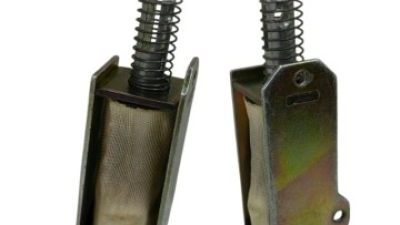
The structure of a pull-type solenoid consists of a coil of copper wire, a ferromagnetic plunger, a return spring, and a housing. When current passes through the coil, a magnetic field is generated, drawing the plunger into the coil and activating the associated mechanical functions such as locking systems, valve operations, and robotics. In the context of boxing applications, solenoids play a critical role in the automation of processes like item dispensing in vending machines and assembly line operations. For instance, a study by the Automation Research Network found that integrating solenoids into packaging systems can reduce cycle times by as much as 20%, due to their rapid activation and deactivation capabilities.

As industries continue to prioritize efficiency, solenoid technology stands out as a reliable solution. Its applications range from automated access controls in security systems to the intricate movements required in robotic arms. As reported by the World Economic Forum, sectors utilizing solenoids in their operations are expected to see significant improvements in both cost savings and operational speed, making this technology a cornerstone of modern automation in boxing and beyond.

FAQS

: What should I consider when selecting solenoid coils for my application?

: It's important to evaluate the voltage and current requirements specific to your application to ensure optimal performance and longevity. Match the solenoid coil specifications to the operational demands of the system.

Why is verifying the power rating of solenoid coils essential?

Verifying the power rating ensures that the coils align with the overall system requirements, preventing under or over-driving, which can cause inefficiency or premature failure.

How does the duty cycle affect solenoid coil selection?

The duty cycle can influence the current draw of solenoid coils. For applications like UAV systems, selecting a solenoid that operates efficiently within its specified duty cycle is crucial for weight and power efficiency.

What are the key factors to consider regarding thermal management in solenoid coils?

Evaluate the thermal characteristics of the solenoid coils in relation to the application’s environment and duty cycle to ensure reliable performance and reduce the risk of coil burnout.

What materials should I choose for solenoid coils to enhance performance?

High-purity copper is recommended for windings due to its excellent conductivity. Consider using enameled wires for insulation and select appropriate core materials like soft iron or laminated silicon steel to optimize magnetic properties.

Why is regular testing and maintenance important for solenoid coils?

Regular testing and maintenance are vital to ensure reliability and can prevent a significant decrease in coil lifespan, maintaining operational efficiency and extending the life of the coils.

What are some best practices for maintaining solenoid coils?

Implement a routine inspection schedule to check for wear and temperature compliance. Additionally, use advanced diagnostic tools, such as thermal imaging and resistance testing, to identify potential issues before they cause system downtime.

How can thermal management impact the performance of solenoid coils?

Proper thermal management can help maintain efficiency and reduce the risk of insulation degradation and performance loss, making it a crucial aspect of solenoid coil maintenance.

What can happen if solenoid coils are not maintained properly?

Improper maintenance can lead to a 30% decrease in coil lifespan, which significantly affects operational efficiency and reliability of the machinery.

What role does coil material play in the efficiency of solenoid coils?

The choice of coil material affects magnetic properties, thermal conductivity, and durability. Selecting the right materials ensures maximum efficiency and optimal performance of the solenoid coils.

Conclusion

Hey there! In this blog, I want to share some key tips on how to pick the right solenoid coils to get the best performance, no matter what you're working on. It’s pretty important to understand the different types and what they do because that really sets the stage for figuring out what voltage and current you’ll need. Plus, the type of material you choose for the coil can make a big difference—it affects how long it lasts and how well it works overall.

We also touch on testing and maintenance stuff to help keep your coils reliable over time. And if you’re curious about the differences between types, we’ve got that covered too. Here at Dongguan Asite Technology Co., Ltd., we’re proud to offer a whole bunch of solenoids—like open frame, push-pull, and latching options. We can even customize solutions to suit your specific needs, making sure everything runs smoothly and efficiently.

Sophia

Sophia

Sophia is a dedicated marketing professional at Dongguan Yasi Technology Co., Ltd., where she leverages her extensive expertise in the technology sector to drive business growth and enhance brand visibility. With a deep understanding of the company’s core products and services, Sophia plays a......
Previous Global Solenoid Market Trends and Predictions for 2025