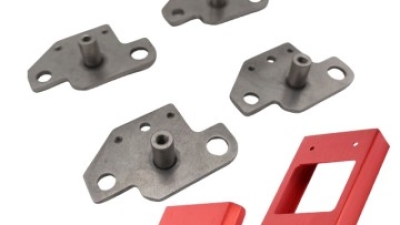
Metal stamping is truly a key technique in today's manufacturing world. It’s one of those processes that really helps boost efficiency and productivity across all kinds of industries. I remember reading a report from 2022 by the Fabricators and Manufacturers Association—about 69% of manufacturers said that adopting more advanced metal stamping tech has really improved how smoothly things run and actually cut down on costs.
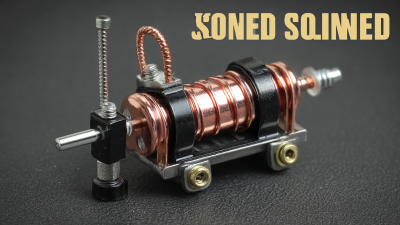
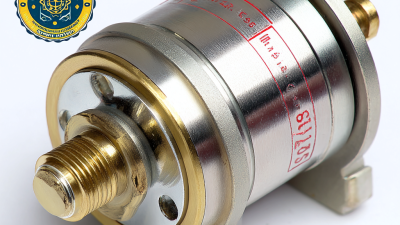
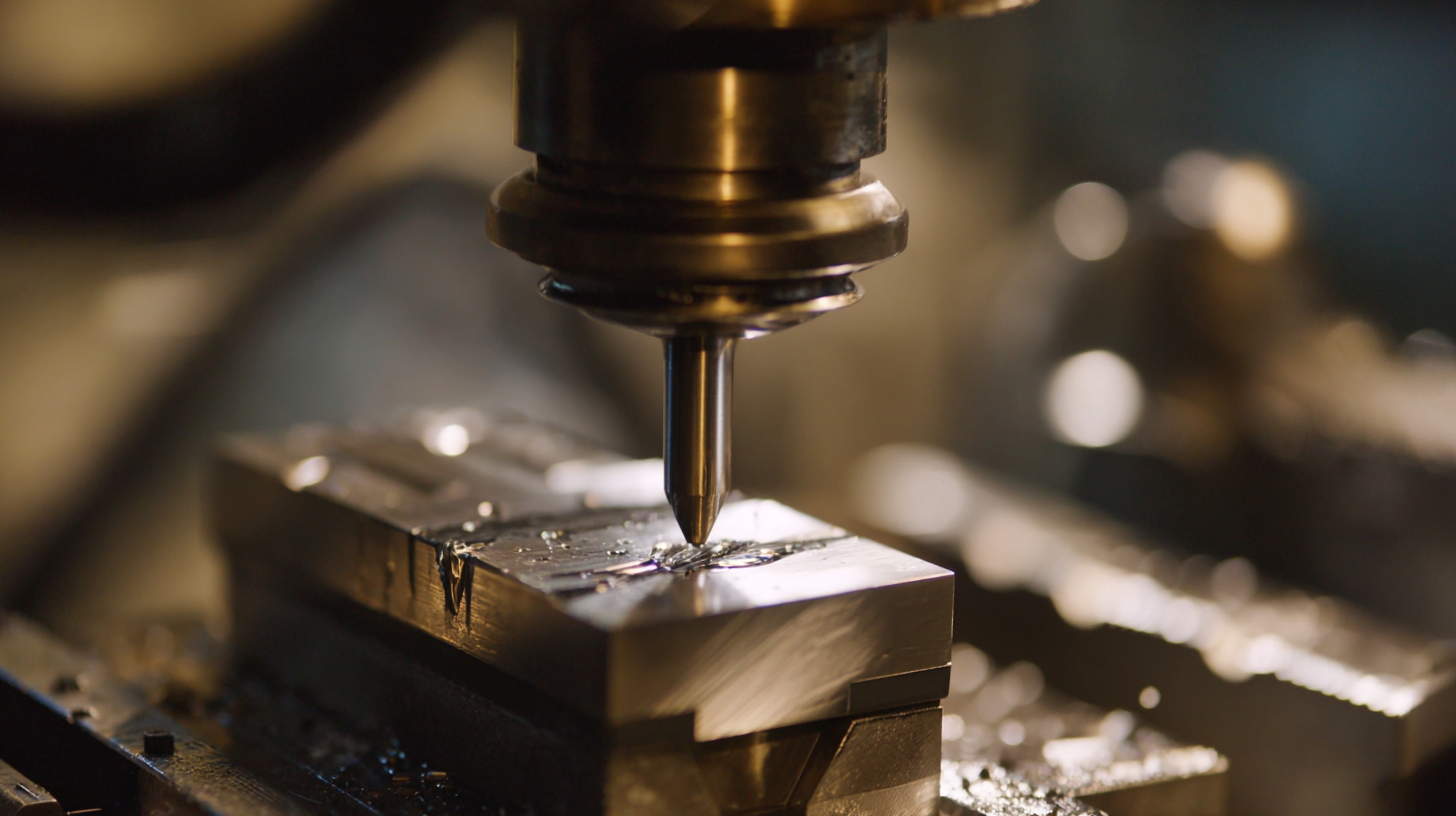 Companies like Dongguan Asite Technology Co., Ltd. are pretty much leading the charge, using metal stamping to make all sorts of stuff—like solenoids, parts for smart door locks, and even things for cars.
What’s great is that with these techniques, manufacturers don’t just stick to basic specs; they can also whip up custom solutions that meet their clients’ specific needs. As demand for super precise components keeps climbing, it’s more important than ever for businesses to really get a handle on these metal stamping methods if they want to stay ahead and make their manufacturing process more efficient.
Understanding the Basics of Metal Stamping Techniques for Manufacturing
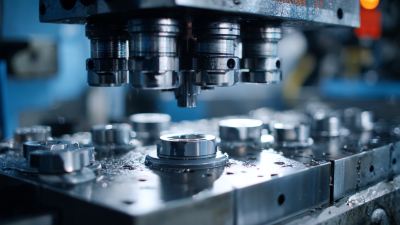
Metal stamping is a pretty important manufacturing tech that basically shapes and cuts metal sheets into specific forms for all sorts of uses. If you get the hang of the basics of metal stamping, it can really give your production process a big boost in efficiency. I recently came across a report by Grand View Research—turns out the global metal stamping market is projected to hit about USD 236.5 billion by 2025. That just shows how much everyone’s counting on these techniques in manufacturing nowadays. Things like blanking, bending, and deep drawing are totally key for getting precise results, which, in turn, can mean better product quality and way less waste.
At Dongguan Asite Technology Co., Ltd., we’re actually leveraging some pretty advanced metal stamping methods to produce a whole variety of products—think solenoids, smart door locks, and more. We put a lot of focus on designing custom solutions tailored to what our clients need, so everything we make isn’t just efficient but also top-notch quality. The cool thing about metal stamping? It’s super flexible, so we can quickly respond to market trends and meet both standard and special requirements. As manufacturing gets more high-tech and complex, really understanding and using effective metal stamping practices is a must for any company wanting to step up their game and be more efficient overall.
Identifying Key Benefits of Metal Stamping in Production Efficiency
Metal stamping is honestly a pretty awesome manufacturing method that can really boost how quickly you get things done. One of the biggest perks? It’s great at churning out a ton of parts while keeping the quality consistent. How? Well, thanks to automation and super precise machinery, it speeds up production, cuts down on labor costs, and reduces the chances of human mistakes slipping in. So, companies can keep up with growing demand without having to worry about sacrificing quality or blowing their budgets.
Plus, one of the coolest things about metal stamping is how versatile it is. Whether you're working with steel, aluminum, brass, or other metals, it can handle different thicknesses and complex shapes. That means manufacturers can craft all kinds of customized parts for specific needs. This flexibility doesn’t just make the process smoother; it also makes it easier to tweak designs on the fly, so businesses can stay competitive in a super fast-changing market. By using metal stamping techniques, manufacturers can become more efficient and still stay agile enough to keep up with what consumers want.
How to Enhance Your Manufacturing Efficiency with Metal Stamping Techniques - Identifying Key Benefits of Metal Stamping in Production Efficiency
| Benefit |
Description |
Impact on Efficiency |
| High Precision |
Metal stamping allows for high levels of precision in manufacturing parts. |
Reduces waste and increases quality of produced parts. |
| Reduced Labor Costs |
Automation in metal stamping significantly lowers labor requirements. |
Enhances overall production speed and lowers costs. |
| Higher Production Rates |
Stamping can produce a large number of parts rapidly. |
Increases throughput and reduces time to market. |
| Material Conservation |
Metal stamping processes minimize scrap material. |
Improves sustainability and cost-efficiency. |
| Versatility |
Adaptable to various materials and designs. |
Enables production of diverse products with minimal changeover time. |
Choosing the Right Equipment for Optimal Metal Stamping Performance
When you're looking to boost manufacturing efficiency with metal stamping techniques, picking the right equipment is pretty much everything. I came across a report from the Precision Metalforming Association that said, if you optimize your machinery, you could see your production speed jump by as much as 30%. That's pretty huge, right? A lot of this can be achieved by investing in newer stamping presses that use modern tech like servo drives and automation systems. Choosing equipment based on your specific needs and the materials you’re working with can really help you get tighter tolerances and better overall product quality.
Oh, and here’s something cool—adding CNC (computer numerical control) systems into your stamping process can cut setup times by around 40%. That means less downtime and quicker shifts between different jobs. Not only does that keep productivity high, but it also opens up opportunities for more customized projects and short runs. Honestly, making strategic decisions about your equipment isn’t just smart; it’s essential if you want to stay competitive in this fast-changing market.
Feel free to ask if you want me to explain any of this stuff more—it’s a lot to take in at once, but these upgrades really can make a difference!
Implementing Quality Control Measures in Metal Stamping Processes
You know, quality control is such a big deal when it comes to making manufacturing smoother and more efficient, especially with metal stamping. When companies put solid quality checks in place—things like monitoring the process as it happens and digging into data with smart analytics—they really cut down on defects and keep product quality consistent. For example, measuring stuff like force, shape, and temperature during stamping in real time can give manufacturers like Dongguan Asite Technology Co., Ltd. valuable insights. That way, they can ensure their solenoids and other products hit those tough industry standards without a hitch.
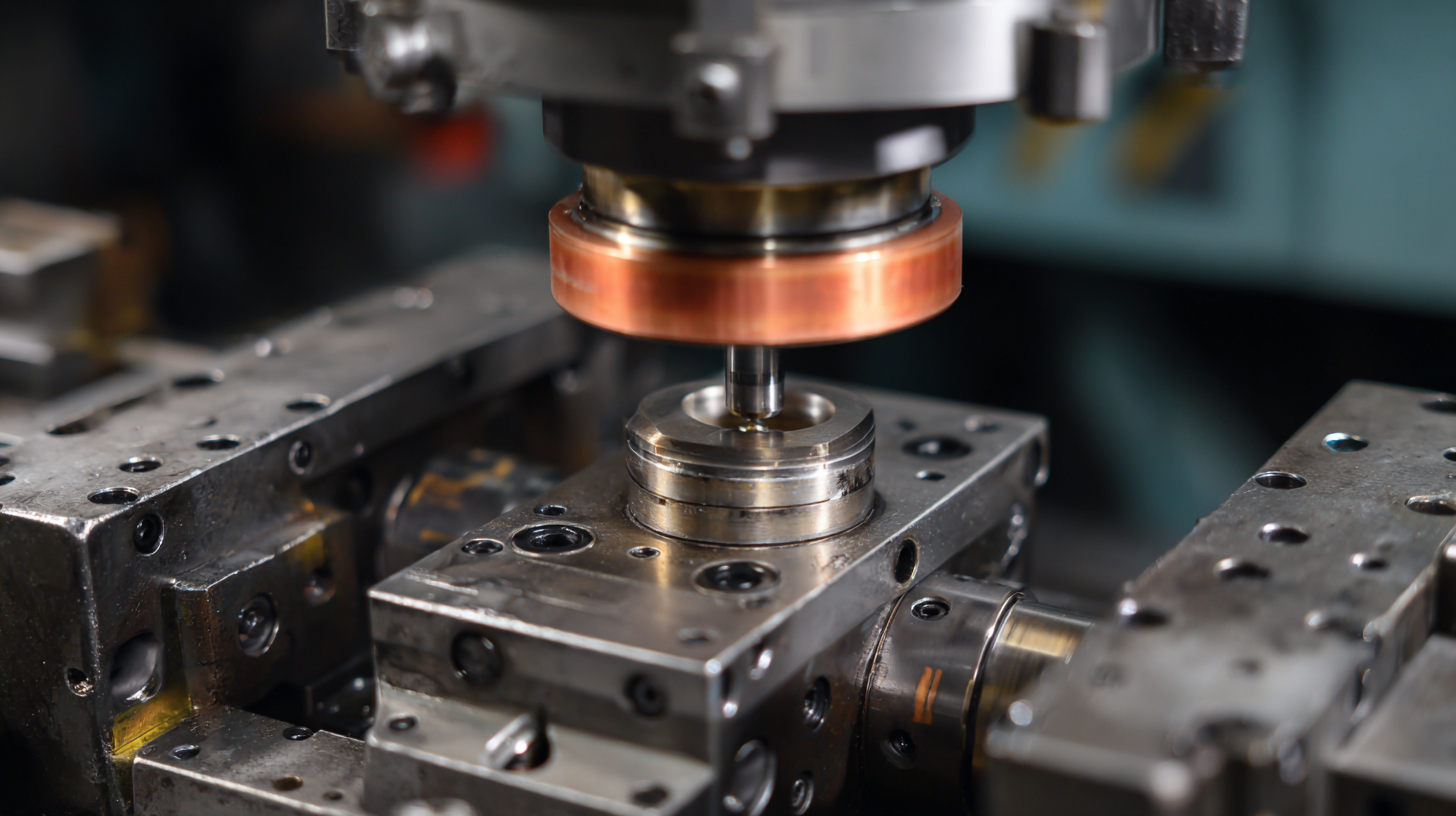
And honestly, adding digital tools and AI into the mix just makes everything flow better. These tech upgrades don’t just speed things up—they also make it easier to see what’s happening on the production line. Take 3D scanning, for example—by catching small variations early on, manufacturers can fix things before they turn into costly rework. This helps ensure that the end products, whether they’re solenoids or smart door locks, are dependable and work like they’re supposed to. As more companies jump on these tech trends, quality control is only going to become more crucial in helping them stay ahead of the game in this fast-changing market.
Maximizing Material Utilization through Effective Stamping Strategies
Getting the most out of your materials is pretty crucial if you want to boost manufacturing efficiency, especially when it comes to metal stamping. By adopting smarter stamping techniques, companies can really cut down on waste and make better use of resources. I recently read a report that said manufacturers who use advanced stamping methods can see up to 20% more material recovery—that’s a pretty big deal! Not only does this help lower production costs, but it also lines up with sustainability goals and the whole idea of a circular economy.
When we talk about the circular economy these days, making sure we squeeze maximum value out of every bit of material — especially through metal stamping — becomes super important. If you look at the latest definitions, resource efficiency and waste reduction are at the very heart of it. Luckily, with new stamping tech and practices like progressive die stamping or automation, manufacturers can cut down on scrap and make their processes more eco-friendly. The data shows that companies jumping on these approaches are better at handling the shift toward sustainable practices—and at the same time, they ramp up their productivity. Moving towards smarter stamping techniques isn’t just good for business; it’s a key step toward building a truly circular manufacturing industry.
Future Trends in Metal Stamping and Their Impact on Manufacturing Efficiency
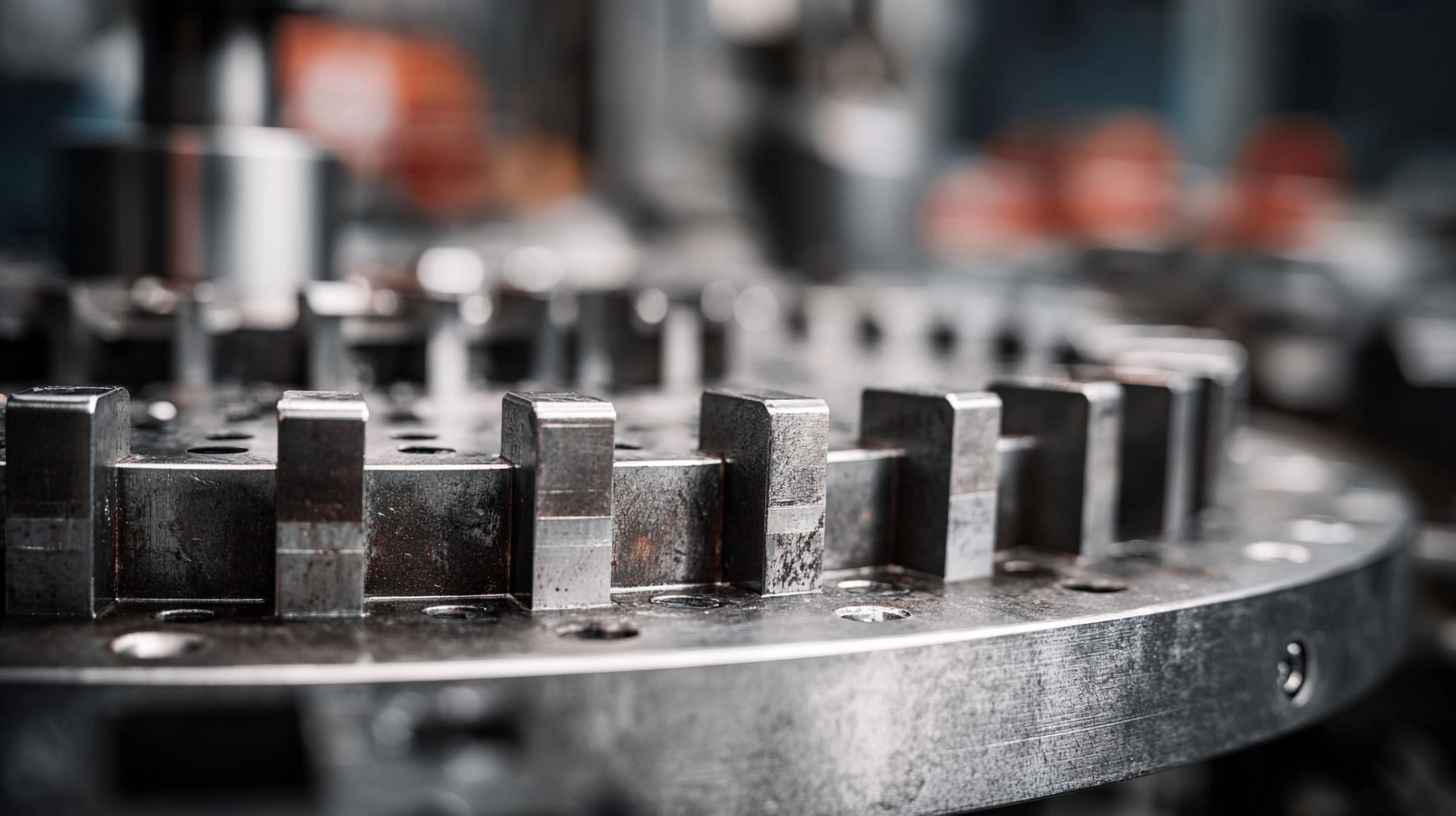
As manufacturing keeps evolving, metal stamping is really becoming a key player in making operations run smoother and more efficiently. I saw a report from Grand View Research that says the global metal stamping market could hit around $247 billion by 2025. That’s mainly thanks to new advancements in automation and precision engineering, which are game-changers. These innovations not only cut down production costs but also boost the quality and consistency of stamped parts — pretty impressive, right? If manufacturers get on board with these cool new techniques, they’ll probably see faster turnaround times and more flexible product options, which is a big win.
Looking forward, it looks like the trend is shifting towards even smarter tech—think 3D printing and robotics taking things to the next level. A study by Deloitte points out that companies embracing automation can crank up their productivity by as much as 30%. Plus, with smart tech integrated into the stamping process, they’ll be able to monitor things in real-time and make quick adjustments, really cutting down on downtime and waste. All in all, those who jump on these trends early and make use of these techs will likely stay ahead of the game, streamlining their processes and staying competitive in a market that’s getting more and more demanding. It’s pretty exciting to see where all this is headed!
Exploring Innovative Metal Stamping Solutions for Enhanced Smart Door Lock Functionality
Innovative metal stamping solutions are revolutionizing the production and functionality of smart door locks, particularly in the realm of solenoid lock components. One of the key advantages of metal stamping is its ability to achieve high precision requirements, ensuring that critical parts like bolts and lock buckles meet strict dimensional accuracy. This precision is crucial as even minor discrepancies can significantly affect installation and overall lock performance. As smart door locks become more sophisticated, maintaining design integrity through precision manufacturing is essential.
Moreover, the appropriate material strength in metal stamping is indispensable for components subjected to mechanical stress. For instance, the casing and core materials of solenoid locks must exhibit substantial strength to withstand external impacts while maintaining their structural integrity under solenoid forces. In addition to strength, good corrosion resistance is necessary, as these locks often operate in varied environments that can include humidity and exposure to other corrosive elements. By employing corrosion-resistant materials, manufacturers can enhance the longevity and reliability of smart door locks.
The efficiency of the metal stamping process further contributes to the competitiveness of solenoid locks in the market. With the ability to mass-produce parts with consistent quality in a short time frame, manufacturers can meet growing demand while keeping production costs down. The cold deformation strengthening that occurs during stamping not only improves the durability and hardness of components but also ensures that the locks maintain their resistance to deformation. Thus, the integration of innovative metal stamping solutions is integral to advancing the functionality and reliability of smart door locks, shaping the future of home security technology.
FAQS
: Metal stamping is a manufacturing technique that involves shaping and cutting metal sheets into specific forms for various applications.
Understanding metal stamping techniques can significantly enhance operational efficiency, improve product quality, and reduce waste in production processes.
Key processes include blanking, bending, and deep drawing, which are essential for achieving precise results in metal stamping.
Dongguan Asite Technology Co., Ltd. employs advanced metal stamping techniques to produce a range of products, including solenoids and smart door locks, with customized designs tailored to specific industry requirements.
Choosing the right equipment is crucial as it can lead to a significant increase in production speed and improved product quality.
Investing in advanced stamping presses with modern technologies like servo drives and automation systems can lead to a production speed increase of up to 30%.
Integrating CNC systems can reduce setup times by approximately 40%, allowing for quicker transitions between jobs and enhancing overall productivity.
Flexibility in equipment allows manufacturers to adapt to market demands, support custom solutions, and manage short-run production effectively.
The global metal stamping market is projected to reach USD 236.5 billion by 2025, indicating its increasing importance in the manufacturing sector.
Manufacturers should focus on understanding and implementing effective metal stamping techniques and optimizing their machinery to improve manufacturing efficiency.
Conclusion
In today’s really competitive manufacturing world, boosting efficiency isn’t just a nice-to-have — it’s absolutely essential. And honestly, metal stamping techniques are a pretty smart way to get there. If you get a good handle on the basics of metal stamping, it becomes clear why so many manufacturers swear by it — like faster production and saving costs, for example. Picking the right equipment is also a big deal; it can make or break your results. Plus, putting solid quality control measures in place helps keep things consistent and reliable, which is super important.
On top of that, if you’re clever with your stamping strategies, you can cut down on waste and get more out of your materials — that’s a win for productivity. As the industry keeps evolving, staying in the loop about future trends in metal stamping can give you a real edge. Here at Dongguan Asite Technology Co., Ltd., we’re dedicated to innovation, especially with products like solenoids and smart locks. This helps us craft custom solutions that really fit various needs and applications — all to keep pushing the envelope in manufacturing.