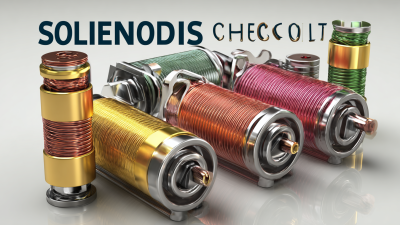
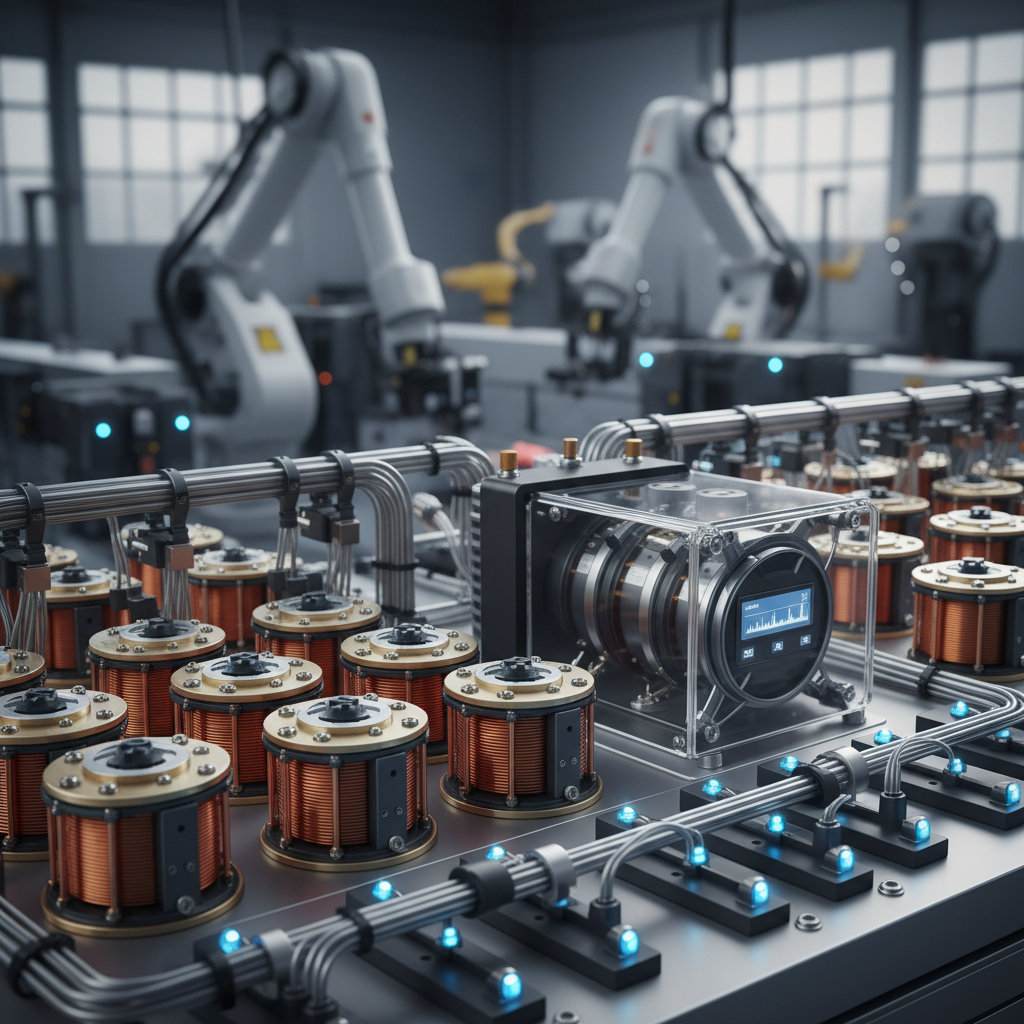
When it comes to industrial automation, you really can’t overlook solenoid coils. These small but mighty electromagnetic gadgets are pretty much the backbone when it comes to controlling the flow of things like fluids and gases in all sorts of systems. As technology keeps marching forward, it’s super important for engineers and businesses to get a good handle on which solenoid coils are really worth investing in for reliable performance. In this article, we’re going to look at the top five solenoid coils that really stand out—think efficiency, durability, and dependability—to make sure your automation runs smoothly and without a hitch.
As we move through 2025, and automation tech keeps advancing, knowing which parts actually make a difference is more crucial than ever. Solenoid coils are right at the front, helping push innovations that speed things up and boost accuracy. Picking the right coils can seriously extend the lifespan of your systems, cut down on maintenance, and reduce your downtime. So, stick with us as we take a closer look at these must-have solenoid coils, and how they can totally change the game for your automation setup.

Solenoid coils play a crucial role in modern automation systems, acting as the driving force behind many electromechanical devices. These coils convert electrical energy into mechanical motion, making them integral components in various applications, from industrial automation to automotive technologies. According to industry reports, the growing demand for automation and robotics is expected to drive the global solenoid market, projected to reach USD 4 billion by 2025. This rising trend highlights the importance of selecting high-quality solenoid coils to ensure reliable performance and longevity in automation systems.
The efficiency of solenoid coils largely depends on the precision of the manufacturing process, which is where coil-winding machines come into play. These machines are essential for producing the various types of coils required for solenoids, ensuring consistent quality and performance. With advancements in technology, manufacturers are now able to enhance production efficiency and reduce waste, making the process more cost-effective. Reports indicate that automating the production of solenoid coils can increase output by up to 30%, significantly benefiting businesses in the competitive automation market. Given their critical role and the associated market growth, investing in reliable solenoid coils and their production machinery is imperative for companies looking to maintain a competitive edge.
When selecting solenoid coils for reliable automation, understanding key specifications is crucial. Core aspects include voltage rating, duty cycle, magnetic force, and physical dimensions.
Voltage rating ensures compatibility with your system’s power supply, while the duty cycle informs you how long the solenoid can operate before overheating. Magnetic force is essential for determining the solenoid's performance in your specific application, whether it's for locking mechanisms or controlling valves.
Tips: Always choose coils that fit the specific requirements of your project.
For applications that demand high reliability, consider using solenoids with higher duty cycles and robust thermal management features. Additionally, measure the installation space accurately to select the right dimension of the solenoid coil.
At Dongguan Asite Technology Co., Ltd., we provide a diverse range of solenoid types, including open frame and tubular solenoids tailored to various applications. Our expertise in customization enables us to offer solutions that meet your precise needs, ensuring that you get the most reliable automation system possible.
Whether you require latching solenoids for smart door locks or specialized solenoid valves, we focus on delivering quality products that enhance your operational efficiency.
Solenoid coils play a crucial role in various industrial automation applications, providing the necessary actuation for mechanized processes. One of the top applications is in pneumatic and hydraulic valve control, where solenoid coils serve to open and close valves, allowing for precise control over fluid flow. This functionality is essential in numerous manufacturing setups, ensuring that machinery operates smoothly and efficiently.
Another significant application can be found in door locks and security systems. Solenoid coils are widely used to automate locking mechanisms, enhancing security in industrial environments. Their ability to provide immediate response to electrical signals ensures that access control is both reliable and swift.
Tips: When selecting solenoid coils for your automation needs, consider factors such as coil voltage and current ratings to ensure compatibility with your system. Regular maintenance and inspection of solenoid coils can prevent downtime and improve operational reliability. Additionally, always choose high-quality coils from reputable manufacturers to ensure durability and efficiency in your automation processes.
The solenoid coil market is experiencing significant growth driven by advancements in automation technology. As industries aim for increased efficiency, the demand for reliable solenoid coils has surged. Innovations such as enhanced magnetic materials and improved design techniques are being integrated into solenoid technology, enabling higher performance and durability. This trend reflects a broader movement towards automation, where precision and speed are paramount.
Additionally, the rise of smart manufacturing is influencing solenoid coil development. With the integration of Internet of Things (IoT) capabilities, manufacturers are now producing coils that can be remotely monitored and controlled. This not only facilitates predictive maintenance but also reduces downtime, further underlining the importance of solenoid coils in modern automation systems. As the industry continues to evolve, the focus on sustainability and energy efficiency will likely shape future innovations, making solenoid coils even more critical in automated processes.
This chart displays the growth trends in the market for the top 5 essential solenoid coils based on their projected demand over the next few years. The data reflects emerging technologies and innovations influencing the automation industry.
The efficiency of solenoid coils plays a significant role in the overall performance of automation systems. According to a report by the International Electrotechnical Commission (IEC), optimizing solenoid coil efficiency can lead to energy savings of up to 20%. This reduction is critical in industrial settings, where thousands of solenoids may operate continuously, and even minor efficiency improvements can translate into substantial cost reductions and enhanced system reliability.
Moreover, the impact of solenoid coil efficiency extends beyond just energy savings. A study by the Automation Industry Association reveals that improved coil design can result in faster response times and longer service life. Well-designed solenoid coils can minimize heat generation, leading to a decrease in failure rates and downtime, which is vital for maintaining productivity in automated processes. In high-performance applications, the difference in response time due to coil inefficiency can be up to 30%, highlighting the importance of selecting the right solenoid coil for any automation project. Engaging with efficient solenoid technology not only enhances operational performance but also supports sustainability goals within the industry.
When choosing solenoid coils for automation systems, understanding voltage ratings is crucial. The voltage rating of a solenoid coil determines how much electrical energy is needed for optimal performance. Selecting coils with the correct voltage can prevent overheating and ensure the longevity of your equipment. In applications where automation reliability is paramount, it’s advisable to look for coils that match your system's voltage specifications closely.
**Tips:** Always verify the power supply before installing a solenoid coil. A mismatch can lead to malfunction or failure. Additionally, consider environmental factors; for instance, coils rated for higher voltage may perform better in varying conditions but ensure they're not exceeding the facility voltage standards.
Moreover, different applications may require different voltage ratings based on their specific operational needs. It's essential to assess the load conditions and choose solenoid coils that not only meet the voltage requirements but also offer excellent insulation properties. This ensures the reliability of your automation systems, allowing them to operate smoothly over an extended period.
**Tips:** Regularly check the condition of your solenoid coils. Over time, wear and environmental factors can impact their performance. Regular maintenance and timely replacements can save you from unexpected downtimes.
| Solenoid Coil Type | Voltage Rating (V) | Current Draw (A) | Duty Cycle (%) | Temperature Range (°C) |
|---|---|---|---|---|
| DC Solenoid Coil | 24 | 1.5 | 100 | -20 to 60 |
| AC Solenoid Coil | 120 | 0.8 | 50 | -10 to 70 |
| High-Performance Solenoid Coil | 48 | 2.0 | 75 | -30 to 80 |
| Miniature Solenoid Coil | 12 | 0.5 | 30 | -20 to 50 |
| Waterproof Solenoid Coil | 24 | 1.0 | 60 | -20 to 70 |
: Solenoid coils convert electrical energy into mechanical motion, acting as the driving force behind many electromechanical devices in various applications, including industrial automation and automotive technologies.
The efficiency of solenoid coils largely depends on the precision of the manufacturing process, which is enhanced by coil-winding machines that ensure consistent quality and performance.
Solenoid coils are primarily used in pneumatic and hydraulic valve control, as well as in automating door locks and security systems, providing precise control and enhancing security.
Investing in reliable solenoid coils ensures longevity and reliable performance in automation systems, which is crucial for maintaining a competitive edge in the growing automation market.
The solenoid coil market is experiencing growth due to advancements in automation technology, increased efficiency demands, and trends like smart manufacturing and IoT integration.
Companies can improve performance by selecting coils with the right voltage and current ratings, performing regular maintenance and inspections, and choosing high-quality coils from reputable manufacturers.
Innovations include enhanced magnetic materials, improved design techniques, and the integration of IoT capabilities for remote monitoring and predictive maintenance, contributing to higher performance and energy efficiency.
The global solenoid market is projected to reach USD 4 billion by 2025, driven by the growing demand for automation and robotics.
Automating the production of solenoid coils can increase output by up to 30%, significantly benefiting businesses by reducing waste and production costs in a competitive market.
In modern automation systems, solenoid coils play a crucial role by controlling various mechanical functions with precision and reliability. When selecting solenoid coils, it is important to consider key specifications such as voltage ratings, efficiency, and application suitability. Industries utilize solenoid coils in numerous applications, from assembly lines to smart locking mechanisms, where their performance directly impacts overall system efficiency.
Market trends indicate a significant growth in solenoid coil technology, with innovations leading to enhanced efficiency and functionality. As companies like Dongguan Asite Technology Co., Ltd. expand their product range to include various solenoid types and customized solutions, the importance of choosing the right solenoid coils becomes even more critical for ensuring reliable automation in a wide array of industrial settings.