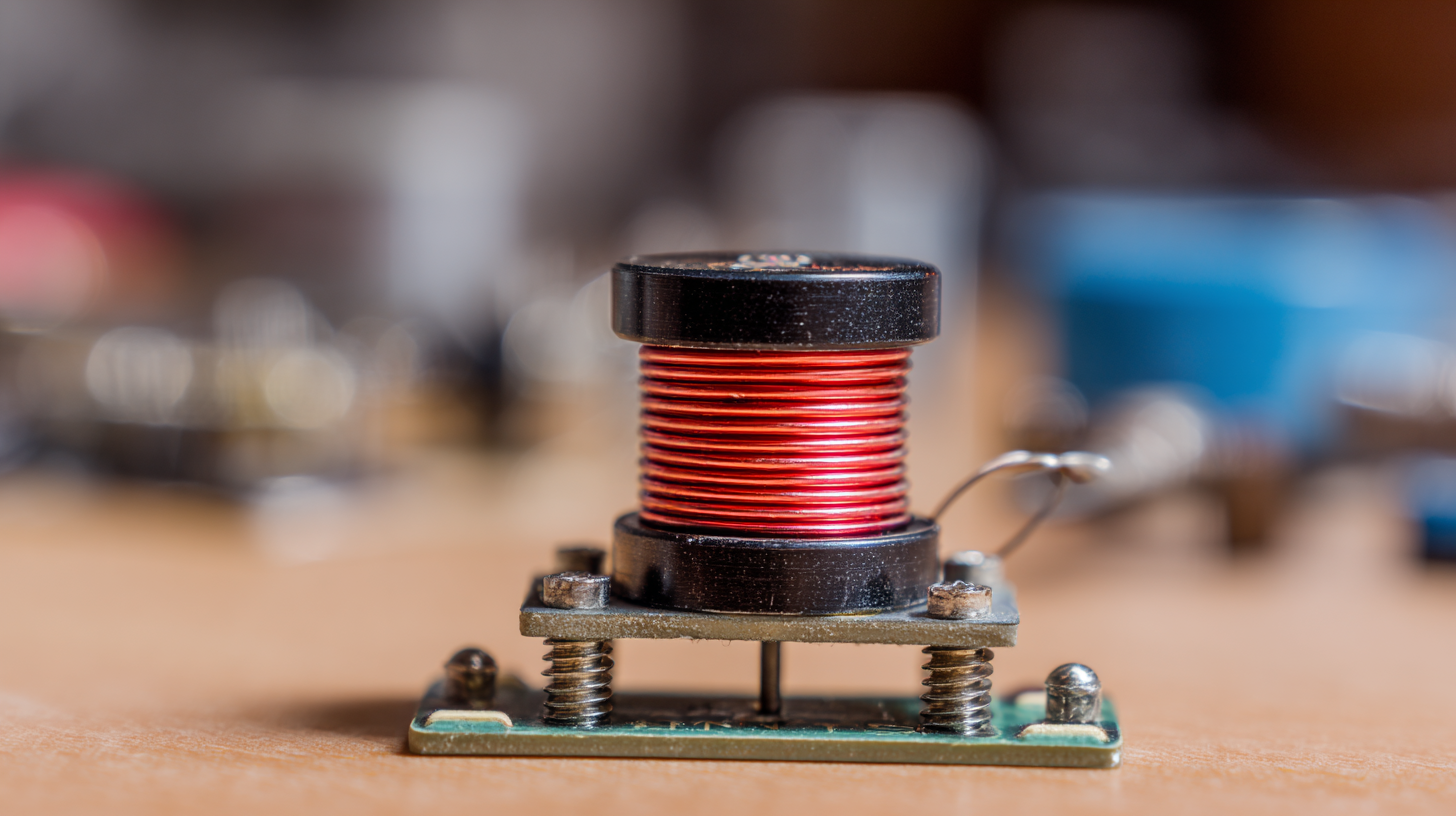
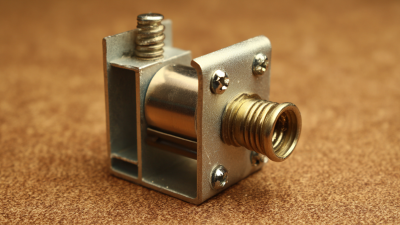
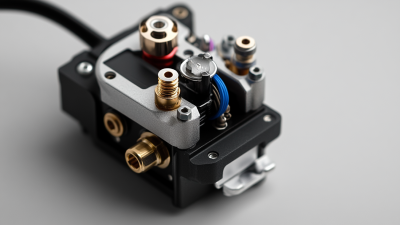
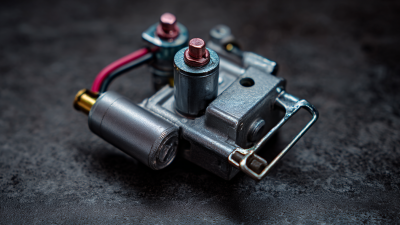
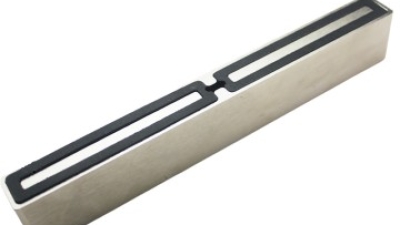
In today’s tech-driven world, tiny electromagnets have become pretty crucial in all kinds of applications — from smart door locks to innovative solenoid valves. At Dongguan Asite Technology Co., Ltd., we take pride in offering a wide variety of products, including open frame, tubular, and rotary solenoids. All of these can really benefit from the special qualities of small electromagnets. As we go along, I want to share seven handy tips that can help you get the most out of these compact but mighty devices. Whether you’re an engineer, a hobbyist, or a designer trying to incorporate these little wonders into your projects, understanding how they work and where to use them is key to achieving killer results. So, come along as we explore the fascinating world of tiny electromagnets and see how they can really elevate your designs!
Understanding Tiny Electromagnets: A Comprehensive Overview
You might not think much about tiny electromagnets—they're so small, and often fly under the radar—but honestly, they're pretty crucial in a bunch of different fields, from robotics to healthcare devices. These little powerhouses work on a pretty simple idea: when an electric current flows through a coil, it creates a magnetic field. According to a recent report by MarketsandMarkets, the global market for electromagnets is expected to jump from around $2.1 billion in 2020 to about $3.2 billion by 2025. That’s a sign that there's growing demand for smaller, more efficient electromagnetic solutions. A lot of this growth is fueled by tech breakthroughs that let us make components smaller without losing performance—pretty cool, right?
What’s really exciting is how versatile these tiny magnets are. In robotics, for instance, they’re used for incredibly precise movements in tiny manipulators, letting machines perform complex tasks with high accuracy. And in the medical world, like in MRI machines, they play a key role in producing detailed images. Research from IEEE Sensors Journal even points out that shrinking down electromagnets has pushed forward sensor technology, making them more sensitive and quicker to respond. As more industries start using these little devices, it’s super important for engineers and tech folks to get a handle on how they work and what they can do—staying ahead of the curve and all that.
Using Tiny Electromagnets in Projects
This bar chart illustrates the usage of tiny electromagnets in various DIY projects, including robotics, home automation, and art installations. The data represents the percentage of hobbyists utilizing these electromagnets in different categories, showing their versatility and popularity.
Selecting the Right Miniature Electromagnet for Your Project
When you're trying to pick the right miniature electromagnet for your project, there are a few important things to keep in mind to make sure it works just right. First off, think about how strong the electromagnet needs to be—basically, how much weight or stuff it needs to lift or move. Check out the specs for its pulling force because knowing exactly what you need helps you avoid grabbing something that's either way too weak or way overkill for your setup.
Another thing to consider is the size and shape of the electromagnet. These tiny magnets come in all sorts of dimensions, so it’s worth double-checking that the one you pick will fit perfectly into your design. Don’t forget to look at the voltage and current ratings too—making sure they match your power supply is super important to avoid overheating and keep things running smoothly. Getting the right match can really boost how well the electromagnet performs and can even help it last longer in your project.
And on a final note, think about the environment where your electromagnet’s gonna be working. If it’s going to be exposed to moisture, heat, or dust, make sure the materials can handle those conditions. Choosing an electromagnet that’s suited for your particular environment will not only improve your project’s chances of success but also let you enjoy these versatile little components without worries.
Best Practices for Wiring and Connecting Tiny Electromagnets
When you're working with really tiny electromagnets—like those super-small U-shaped coils that measure just
6.3mm by 3.6mm by 2.1mm—you’ve gotta pay close attention to how you connect everything.
First off, make sure you're using the right kind of wire, especially because space is tight and heat can build up during use.
Thin, flexible wires are usually the way to go—they're easier to work with
and help keep everything neat and efficient.
Now, soldering these tiny parts? It’s all about being super precise. A fine-tipped soldering iron and small-diameter solder
are your friends here—they help avoid damaging the electromagnet or nearby components. And don’t forget about insulation—heat
shrink tubing can do wonders to keep everything electrically insulated and secure, preventing short circuits.
If you follow these simple tips, not only will your tiny electromagnets work more reliably, but you'll also be opening
doors to some pretty cool tech projects, like magnetic levitation systems.
Trust me, with a little care, you can make these little guys perform like champs!
Innovative Applications of Tiny Electromagnets in DIY Projects
Tiny electromagnets are really shaking up the DIY world right now, finding cool new uses across a bunch of different fields. According to a report from the International Electromagnetic Engineering Society, the demand for these small electromagnetic devices is expected to grow by more than 15% every year over the next five years. A big reason for this boom? The increasing use of smart technology in things like home gadgets, robots, and medical devices. Whether you're messing around with a tiny project or trying to add electromagnets into your existing builds, knowing how versatile they are can seriously boost what you can do with them.
In real-world applications, these little electromagnets give creators the power to build smarter locking systems, automated switches, and even tiny motors. For example, hobbyist robot builders often use them to control movement with precision, allowing for some pretty complex maneuvers. A study from the Advanced Manufacturing Technology Institute mentions that using these tiny electromagnets can actually improve a robot's performance by boosting its weight-to-strength ratio by around 25%. That’s a pretty big deal because it means better, more efficient designs and opens up new possibilities in automation and creative engineering. Overall, they’re becoming pretty essential for anyone diving into modern DIY projects.
Troubleshooting Common Issues with Tiny Electromagnets
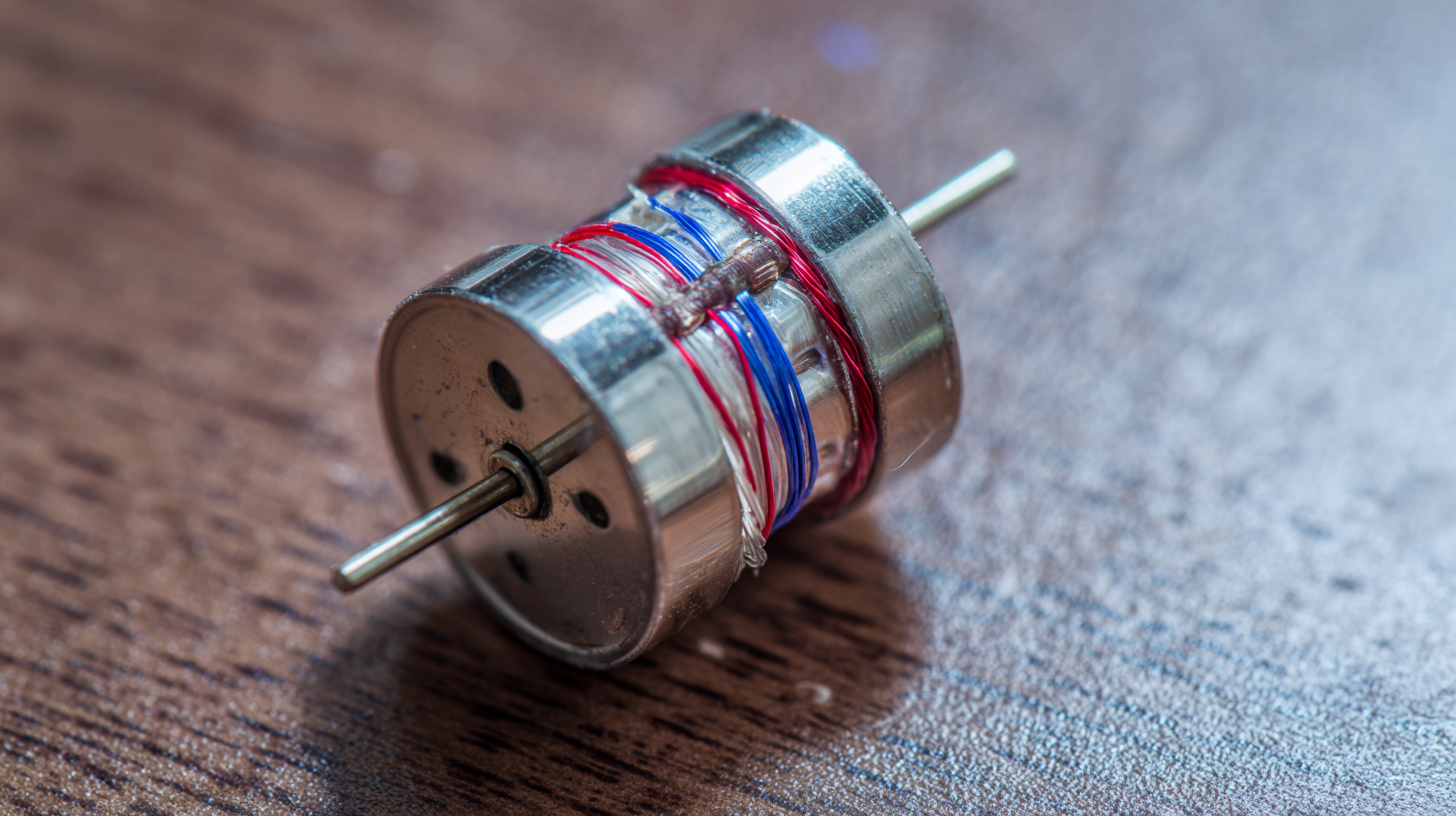
When you're working with tiny electromagnets in your projects, troubleshooting the usual issues is pretty much part of the game if you want things to run smoothly. One common hiccup is not having enough magnetic pull. If your electromagnet isn't grabbing or attracting stuff like you'd expect, the first thing to do is check your power supply. Make sure it’s giving out the right voltage and current for that coil. Also, take a quick peek at your wiring—look for any loose or broken connections that might be messing with the electricity.
Another thing to watch out for is overheating. If you leave your electromagnet on for too long, it could get pretty hot and end up damaging itself. So, if you need it to stay on longer, think about adding a heat sink or maybe changing the wire gauge to help it stay cool. Also, keep an eye on how often you turn it on and off (that’s the duty cycle)—giving it a chance to cool down between uses can save you headaches later. And don’t forget external interference—other electronic gadgets nearby could be causing some funky behavior. If that’s the case, try moving your electromagnet to a different spot or adding some shielding to keep those pesky magnetic fields at bay.
7 Essential Tips for Using Tiny Electromagnets in Your Projects - Troubleshooting Common Issues with Tiny Electromagnets
| Tip Number |
Tip |
Common Issue |
Solution |
| 1 |
Choose the Right Voltage |
Insufficient power |
Use a power supply that matches the electromagnet's specifications. |
| 2 |
Check the Coil Connections |
Intermittent operation |
Ensure all connections are secure and soldered properly. |
| 3 |
Use Proper Heat Management |
Overheating |
Implement heat sinks or space the electromagnets adequately. |
| 4 |
Select Appropriate Core Material |
Weak magnetic field |
Use ferromagnetic materials such as iron for the core. |
| 5 |
Conduct Regular Maintenance |
Decreased performance |
Inspect for dust and debris and clean as necessary. |
| 6 |
Experiment with Coil Turns |
Inconsistent magnetic strength |
Adjust the number of turns in the coil to optimize performance. |
| 7 |
Test in Safe Environments |
Electrical hazards |
Ensure proper insulation and test in controlled settings. |
Safety Tips for Working with Tiny Electromagnets in Your Crafts
When you're tinkering with tiny electromagnets in your DIY projects,
safety really should come first. These little devices might be small,
but they pack quite a punch and can create strong magnetic fields
that mess with your electronics or cause other hazards if you're not careful. So, it’s a good idea to
keep things like watches, credit cards,
or any stuff with magnets away from your electromagnets. Before you dive in, take a quick glance
around your workspace to make sure nothing nearby could get affected by the magnetic fields.
Also, when you're wiring things up, make sure to use insulated wires—
trust me, it’s better safe than sorry. Working in a dry place is always smart
because it cuts down on short circuits, and don’t forget to unplug your electromagnets
when you’re done for the day. If you're experimenting with higher currents or materials that might break if mishandled,
throwing on some safety goggles is definitely worth it.
Follow these basic safety tips, and you’ll be able to enjoy creating with tiny electromagnets without any worries —
just keep it safe and have fun!
Maximizing Efficiency in Industrial Automation: The Impact of AS 20030 DC Suction Electromagnet on Productivity and Safety
Maximizing efficiency in industrial automation is crucial for enhancing productivity and safety in the workplace. One remarkable product that significantly contributes to these goals is the AS 20030 DC suction electromagnet. This device, based on the principles of electromagnetic induction, exemplifies how modern technology can streamline operations. The electromagnet lifter generates a robust magnetic field when current flows through its copper coil, transforming the iron core into a temporary magnet that effectively attracts metal objects.
The AS 20030 stands out due to its ability to generate a strong suction force, significantly surpassing that of ordinary magnets. Its round metal disk enhances this force by allowing the magnetic fields of both the disk and the iron core to merge, resulting in superior lifting capabilities. Portable and cost-effective, this electromagnet lifter is perfect for industries requiring the transportation of heavy steel plates, sheets, coils, and more. Not only does it optimize lifting efficiency, but it also enhances workplace safety by minimizing the risk of accidents associated with manual handling.
Furthermore, the adaptability of the AS 20030 allows operators to easily adjust the magnetic force according to specific requirements. This unique feature ensures that different weights and sizes of metal objects can be handled safely and effectively. By incorporating such innovative devices into industrial automation processes, companies can expect stronger productivity, lowered labor costs, and improved safety standards, reaffirming the essential role of advanced technologies in modern manufacturing.
FAQS
: The newly developed U-shaped coil measures 6.3mm x 3.6mm x 2.1mm.
It is recommended to use appropriately rated thin, flexible wires to aid in compact arrangements and enhance electromagnetic performance.
A fine-tipped soldering iron and solder with a small diameter should be used to prevent damage to the electromagnet or surrounding components.
Using heat shrink tubing can provide electrical insulation and maintain secure connections without short-circuiting.
Sensitive electronics, such as watches, credit cards, and devices containing magnetic materials, should be kept away from electromagnets to avoid interference or damage.
Use insulated wires, work in a dry environment, unplug electromagnets when not in use, and wear safety goggles when dealing with powerful currents.
It's crucial to verify that there are no items that can be affected by the magnetic fields to avoid accidents or interference with electronic devices.
Employing best practices in wiring and connection techniques can enhance reliability and open up innovative applications.
Always unplug your electromagnets when they are not in use to prevent potential hazards.
A dry environment is recommended to minimize the risk of short circuits while working with tiny electromagnets.
Conclusion
In the blog post '7 Essential Tips for Using Tiny Electromagnets in Your Projects,' you'll find some really useful insights on how to make the most out of these small but mighty devices. The article kicks off with a straightforward overview of tiny electromagnets, breaking down what makes them special and their main strengths. Then, it walks you through how to pick the right type for whatever project you’re working on—whether that's open frame or tubular models—stuff that Dongguan Asite Technology Co., Ltd. offers.
It also dives into best practices for wiring and connecting these little magnets, so you can be sure they’ll work reliably. Plus, the blog gets creative, showing off some cool ways you can use them in your DIY projects—pretty neat, right? They even cover common issues that pop up and give practical tips on fixing them, all while throwing in some safety advice to keep you safe while experimenting. All in all, it’s a great resource for anyone thinking about adding tiny electromagnets to their crafts or gadgets, no matter how experienced you are.