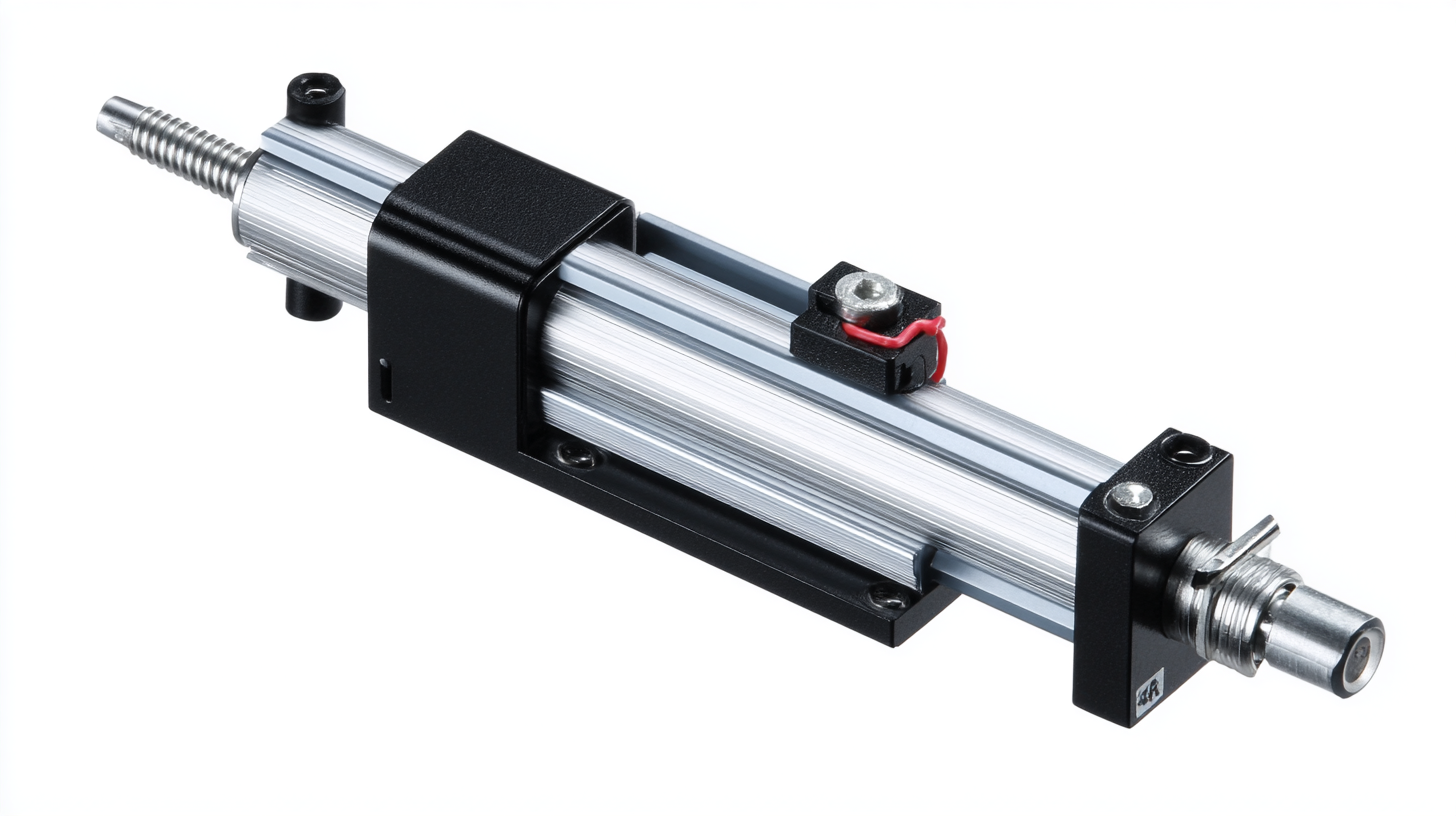
You know, in today’s fast-changing industrial world, picking the right manufacturer for
linear solenoid actuators is a pretty big deal if you want things to run smoothly and reliably. I’ve been reading some industry reports, and it looks like the global market for solenoids is set to grow quite a bit — mainly because everyone’s moving toward more automation and smarter tech nowadays.
One company that really catches my eye in this crowded space is
Dongguan Asite Technology Co., Ltd.
They offer a pretty wide range of products — everything from open frame, tubular, push-pull, to holding, latching, and rotary solenoids.
Plus, they’re pushing the envelope with innovative solutions like
smart door locks and
custom solenoid valves.
For businesses looking to ramp up efficiency and add more functionality, finding a manufacturer that’s experienced and offers a broad portfolio — like
Asite — is pretty much essential for staying ahead in this complex solenoid market.
Emerging Technologies in Linear Solenoid Actuators for 2025
As we get closer to 2025, it's pretty exciting to see how linear solenoid actuators are evolving, thanks to some emerging tech that's really starting to make a difference. One big upgrade is the integration of smart sensors—these let manufacturers monitor and control things in real-time, which is a game-changer. It means more efficient operations and systems that can respond quickly, making everything run smoother.
On top of that, there’s a real push toward eco-friendly materials. Companies are now looking at biodegradable options and energy-saving designs to cut down on environmental impact. Not only does this help with meeting stricter regulations, but it also aligns with what consumers are wanting—greener products all around. Plus, thanks to advancements in miniaturization, these actuators are becoming more compact and lightweight without sacrificing strength or performance. That opens up tons of new possibilities—think robotics, automotive, aerospace—you name it. Looking ahead to 2025, these innovative changes are definitely going to reshape what linear solenoid actuators can do and how they’re used across different industries.
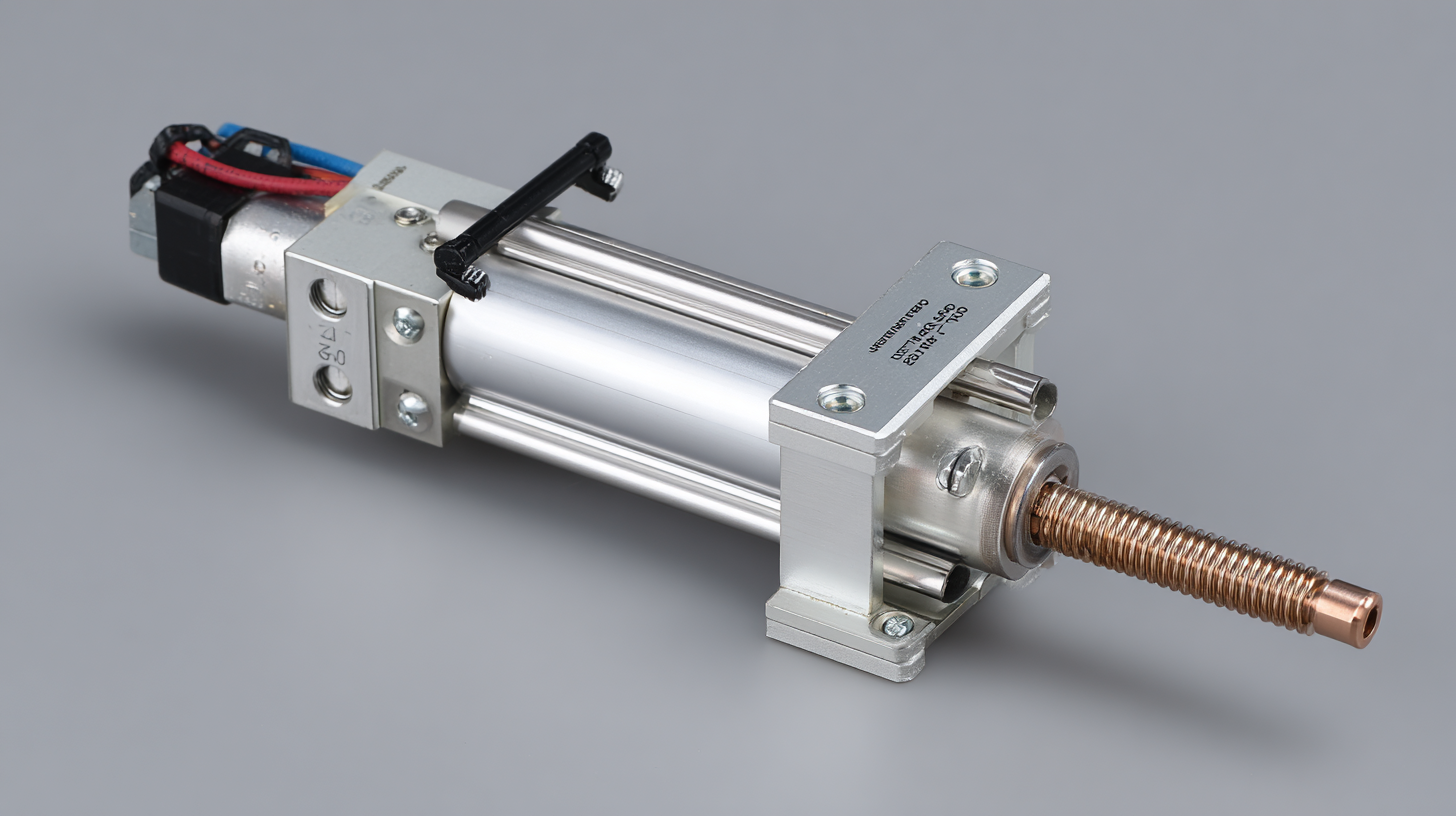
Top Considerations When Choosing a Linear Solenoid Actuator Manufacturer
Choosing the right manufacturer for a linear solenoid actuator isn't something to take lightly — there are a few key things you want to keep in mind. First off, it’s really important to look at their reputation and how much experience they’ve got in the industry. I mean, according to MarketsandMarkets, the global market for linear actuators is expected to jump from around $12.5 billion in 2020 to about $18 billion in 2025. That just goes to show how much demand there is for reliable, high-quality products. Usually, companies that have been around a while, with good reviews and proper certifications, tend to deliver better standards and know their stuff well.
Then, there's the matter of what the manufacturer can do tech-wise. Advances in actuating tech — things like precision engineering and smarter materials — are really changing the game. Research from Markets even points out that features like improved power efficiency and more compact designs are basically must-haves these days. So, if you pick a manufacturer that invests in R&D, you're more likely to get access to the latest innovations. That means your product will perform well for your specific needs and keep you competitive as the market evolves. At the end of the day, it’s all about finding someone who knows their stuff and keeps up with the latest in the field.
Guide to Selecting the Top 5 Best Linear Solenoid Actuator Manufacturers Worldwide
| Manufacturer Location |
Annual Production Capacity (Units) |
Industry Applications |
Quality Certification |
Customer Support Rating |
| North America |
500,000 |
Automotive, Aerospace |
ISO 9001, ISO 14001 |
4.8/5 |
| Europe |
300,000 |
Industrial Automation |
CE, UL |
4.6/5 |
| Asia |
1,000,000 |
Consumer Electronics, Robotics |
ISO 9001 |
4.5/5 |
| South America |
150,000 |
Agriculture, Construction |
ISO 9001 |
4.4/5 |
| Africa |
80,000 |
Mining, Heavy Machinery |
ISO 9001 |
4.3/5 |
A Comparative Analysis of Leading Linear Solenoid Actuator Brands
When you're trying to pick out a linear solenoid actuator, it's really helpful to get a sense of who the big players are in the market. I mean, knowing the top brands—like Parker Hannifin, which is famous for their innovative designs, and SMC Corporation, they really focus on automation—can make all the difference. These guys just keep leading the pack because of their solid product quality and cutting-edge tech. They’re pretty much the go-to for high-performance actuators used everywhere—from cars to robots.
But it’s not just Parker and SMC. Brands like Festo and Eaton are also catching a lot of eyes these days, especially because they put a lot of emphasis on efficiency and saving energy. Festo, for example, really cares about sustainability—factories that are eco-friendly, that sort of thing. Meanwhile, Eaton offers actuators that are super versatile, perfect for handling different kinds of operational challenges.
Looking at all these brands helps you get a clear idea so you can pick something that totally matches what you need—something that not only works well but actually beats your expectations.
Innovations Driving the Linear Solenoid Actuator Market Forward
The linear solenoid actuator market is really buzzing with some pretty exciting innovations that are changing the game. It seems like everyone’s focused on making these devices more precise and efficient, especially with all the automation and hydraulic systems out there. Manufacturers are pushing hard to boost energy efficiency and durability — which, honestly, is a big deal for improving performance and cutting down costs in the long run.
When you're picking out a linear solenoid actuator, my best advice would be to think about the force and speed you actually need for your project. Don’t forget to keep an eye on where and how it’ll be used — things like temperature, dust, and moisture can really impact how well it works. And it helps to go for manufacturers who offer good support and maybe even custom options; that way, you can tailor things just right for your specific needs.
On the tech side, lots of companies are experimenting with new materials and smart tech integrated right into their actuators. This doesn’t just boost what these little guys can do — it opens up all sorts of new possibilities for automation and control. So, staying up-to-date on these trends is pretty important. If you pick a manufacturer that values innovation, you’re more likely to keep up with the changing demands in the industry and stay ahead of the curve.
Global Linear Solenoid Actuator Market Overview
Future Applications of Linear Solenoid Actuators in Various Industries
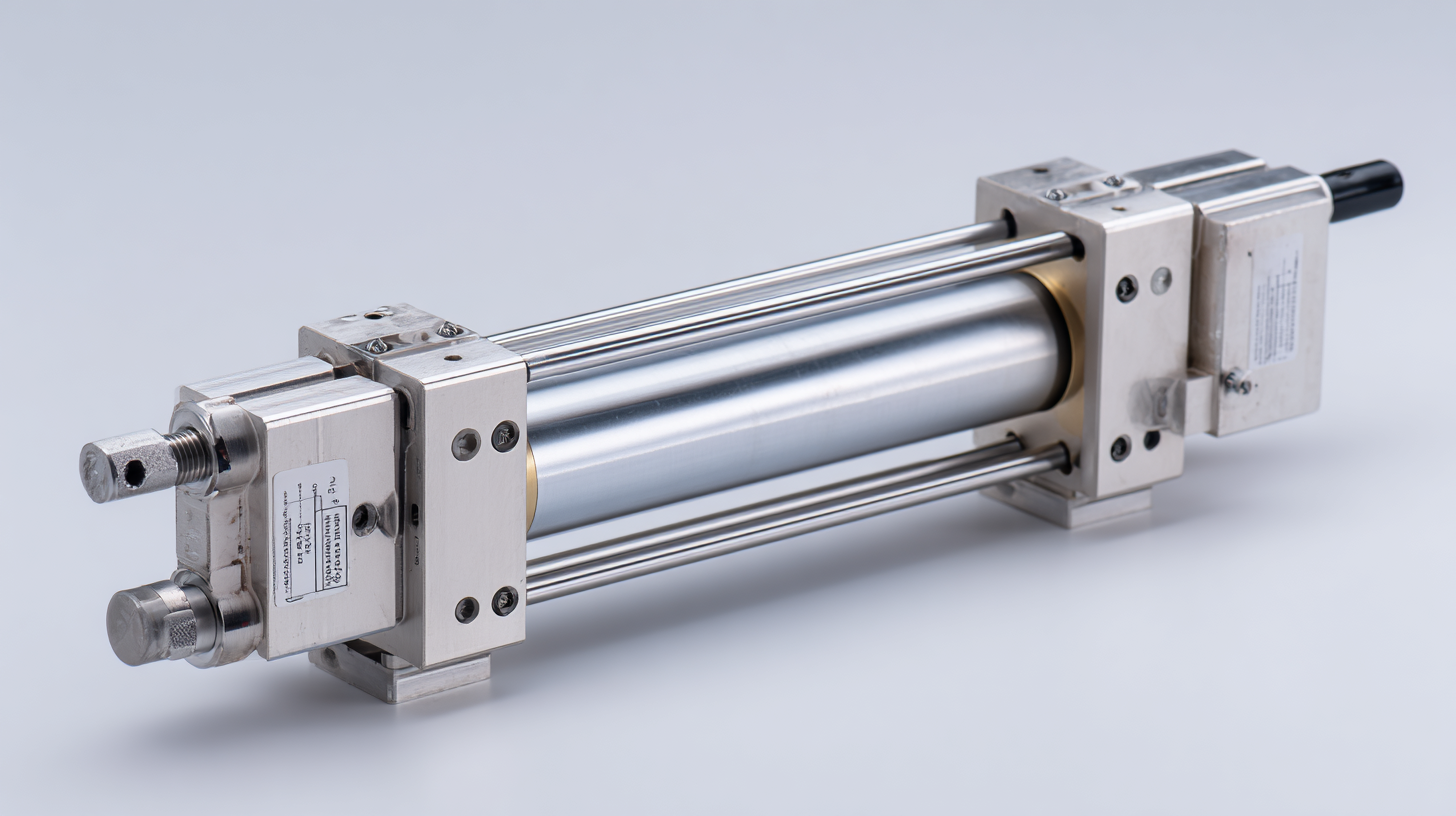 Linear solenoid actuators are really gaining traction across different industries these days, mainly because they’re so precise and reliable. In manufacturing, for example, they’re pretty much the backbone of automated assembly lines—helping things run faster and smoother, which boosts overall productivity. The auto industry is also making good use of these devices for stuff like adjustable seats and automated doors. It’s all about making the user experience better and more seamless.
Looking ahead, I think we're going to see these actuators popping up more and more in healthcare. Imagine robotic surgical systems where super-precise movements are a must, or patient care gadgets that rely on reliable actuation to do their thing. And with smart home tech becoming a bigger deal, they’ll probably be found in security setups, automatic blinds, or energy-saving windows—working hand-in-hand with IoT ecosystems.
If you’re thinking about picking one of these actuators, make sure you consider things like the amount of force it can handle, how far it needs to move (that’s the stroke length), and how quickly it responds. Getting a good grip on these specs will help you find the perfect fit for your project. Also, don’t forget to check if the manufacturer follows quality standards and offers solid customer support—that’s key for maintenance and future tweaks. Taking the time to think this stuff through will pay off big time in making sure your setup runs smoothly and efficiently.
Green Manufacturing Practices Among Top Linear Solenoid Actuator Producers
These days, sustainability has really taken center stage in manufacturing, especially among the top producers of linear solenoid actuators. They're not just jumping on a trend; many of these companies are genuinely committed to doing better for the environment. You see them switching to eco-friendly materials and smarter processes — it’s about creating actuators that perform well but also help pave the way for a sustainable future. Whether it’s using recycled parts or cutting back on energy during production, they’re setting a pretty high bar for the industry.
Plus, a lot of these leading manufacturers are taking a good hard look at the entire lifecycle of their products. They’re designing actuators that are super easy to recycle, trying to cut down waste, and making efforts to lower their energy use from start to finish. Some are even teaming up with environmental groups to push the envelope further. It’s really inspiring to see how these collaborations lead to innovative solutions that benefit both the market and the planet. As more companies jump on this bandwagon, it’s slowly shifting the whole industry toward greener, more responsible manufacturing practices.
FAQS
: Evaluate the manufacturer’s reputation, industry experience, technological capabilities, and focus on research and development to ensure high-quality products.
The market is projected to grow from $12.5 billion in 2020 to $18 billion by 2025 due to increasing demand for reliable and high-quality products.
Innovations include improvements in energy efficiency, durability, precision engineering, and smart technology integration that enhance functionality for various applications.
Consider temperature, dust, and moisture levels, as these factors can significantly impact the actuator's performance in its intended environment.
Green practices help reduce environmental footprints, utilize eco-friendly materials, and promote sustainability, which is increasingly vital in today's manufacturing landscape.
They integrate recycled components, implement energy-efficient production techniques, conduct lifecycle assessments, and collaborate with environmental organizations.
Manufacturers that invest in R&D are more likely to offer innovative products that meet modern performance requirements and keep you competitive in an evolving market.
Yes, many manufacturers offer comprehensive support and customization options to tailor actuators according to the specific demands of your application.