You know, in today’s fast-paced industrial world, it’s super important for both manufacturers and consumers to really get a grip on the industry standards for making Permanent Solenoids. Looking ahead to 2025, the market analysis is showing a big increase in demand for reliable and efficient solenoid solutions. Companies like Dongguan Asite Technology Co., Ltd. are really stepping up to the plate, offering a range of products that include everything from open frame and tubular solenoids to push-pull and latching types. These little wonders have a massive impact — think automotive lighting and even smart door locks! They underscore how vital it is to stick to established standards while still pushing the envelope with innovation. And let’s not forget about the custom-designed products that can really meet specific needs. So, if you’re a business looking to thrive in this competitive scene, knowing how to pick the right Permanent Solenoid is just crucial!
So, when you dive into the world of solenoid manufacturing, it’s pretty important to keep an eye on the industry standards that shape the way things are made and the quality we expect. Did you know that the global automotive solenoid market was worth about USD 4.3 billion in 2021? It’s actually expected to hit around USD 6.2 billion by 2026! That’s a solid growth rate of 7.3% per year. It really shows just how much demand is growing for top-notch solenoids across different sectors, like automotive and industrial applications?
Now, one big thing to think about when it comes to making solenoids is sticking to those industry standards. These guidelines are super important because they help ensure reliability, safety, and overall performance. If manufacturers want to boost their product quality and stand out in this booming market, they’ve got to pay attention to these standards. Plus, with industries ramping up their game in automation and tech, getting a good grasp of these benchmarks is more crucial than ever. For example, the global industrial valve market—which includes solenoids—is on fire too, jumping from USD 25.1 billion in 2022 to a whopping USD 28.2 billion by 2027. This kind of market surge highlights why it’s so key to choose suppliers and production methods that follow the best practices in permanent solenoid manufacturing.
So, when you’re on the hunt for a permanent solenoid supplier, there are a few key things you really need to keep in mind if you want to get a product that not only meets industry standards but also fits your specific needs. First off, it’s super important to check out the technical know-how of the supplier. If they’ve got a solid engineering background, they’re usually in a much better position to tackle your requirements and whip up some customized solutions just for you. It’s a good idea to look for companies that put some serious cash into research and development—that really shows they’re all about innovation and quality.
Next, don’t forget to look at the supplier’s reputation out there in the market. Reading reviews and testimonials from other customers can give you a pretty good idea of how reliable they are and what their customer service is like. A good supplier won’t just hand over high-quality products; they’ll also keep the lines of communication open and provide support during the whole buying experience. And hey, take a moment to think about their production capabilities, like the equipment they use and their quality control processes. A supplier that’s well-equipped is more likely to stick to high standards and ensure their products are consistent, so you can count on those solenoids to perform when you need them to.
When you think about making solenoids, the quality of the materials really makes a huge difference. Using high-grade materials isn't just about boosting performance and how long they last; it also means you can count on them in all sorts of applications, from cars to heavy-duty machinery. The materials you choose can seriously affect how efficient the solenoid is, how well it conducts electricity, and how it holds up against things like heat and humidity. So, for both manufacturers and consumers, getting a grip on what material quality means is key to making smart choices that fit their needs.
Now, during the manufacturing process, it’s super important to pick the right core materials, coil wires, and insulation. Like, if you go with high-conductivity copper for the coils, it can really boost energy efficiency. Plus, you want tough insulation materials to keep everything safe from wear and tear. And let’s not forget, the whole manufacturing process should stick to industry standards to cut down on defects and ensure top-notch performance. By really focusing on material quality and following best practices, manufacturers can whip up solenoids that not only check all the industry boxes but also deliver solid performance and reliability over time. This careful thought leads to better products and happier customers, which is what every manufacturer aims for in the competitive field of solenoid production.
| Material Type | Electrical Conductivity (S/m) | Temperature Rating (°C) | Magnetic Properties (μ) | Applications |
|---|---|---|---|---|
| Copper | 5.8 × 10⁷ | 200 | 1,000 | Electromagnets, Automotive |
| Aluminum | 3.5 × 10⁷ | 150 | 1,000 | Lightweight Solenoids, Consumer Electronics |
| Nickel | 1.4 × 10⁷ | 300 | 600 | High-Temperature Applications |
| Silicone Steel | Varies | 250 | 3,500 | Transformers, Inductors |
So, if you’re in the market for permanent solenoids, it’s super important to dodge some common pitfalls—trust me, it can really save you both time and money. One big mistake people make is not checking out their supplier’s quality standards properly. According to this recent industry report from the International Electrotechnical Commission (IEC), about 30% of solenoid failures come from less-than-stellar manufacturing processes. So definitely look for suppliers who stick to quality standards like ISO 9001; it’s a solid indicator that they’re consistent and reliable in their production.
Another thing to watch out for is overlooking the specific specifications you need for your application. A study from the American Society of Mechanical Engineers (ASME) points out that roughly 25% of solenoid malfunctions happen because of mismatched specs. Before you hit that order button, make sure you double-check the functional requirements like voltage, mechanical force, and duty cycle.
Pro Tip: Don’t forget to ask for thorough product documentation and test results from potential suppliers. It’s a great way to make sure they meet your specs.
Finally, don’t underestimate how crucial post-purchase support is. Ignoring this can lead to some real headaches later on. A report from Global Industry Analysts even suggests that companies with solid after-sales support see around a 20% boost in customer satisfaction. You want to make sure your supplier is ready to offer decent technical assistance and warranty options—this way, you'll have ongoing support for your solenoids.
Pro Tip: Look for suppliers that offer comprehensive training and support resources for your team. That way, you can really get the most out of your solenoids in your operations.
You know, when we talk about making solenoids, it really hits home just how crucial testing and certification are. In industries where safety is a big deal, we can't afford to take shortcuts. I mean, everything needs to meet those strict standards to be reliable and perform well. Take the mandatory CCC certification for electrical explosion-proof components in China, for instance—this came into effect on October 1, 2020, and it's a perfect illustration of how rules can help keep everything safe. This certification is really important since it makes sure that solenoids meant for risky environments are up to snuff with safety rules, which in turn helps minimize the chances of something going terribly wrong.
On top of that, some safety reports reveal that about 20% of issues in industrial settings happen because companies didn't stick to safety standards. By having solid certification processes, manufacturers can really boost customers' confidence in how reliable those solenoids are. Testing isn’t just about making sure the parts work; it’s also about checking how tough they are in extreme situations. So, when you're picking a manufacturer, it's super important to look at how committed they are to meeting all the necessary certifications and testing procedures that are considered best practices in the industry. This focus on quality and safety really pays off in ensuring that end-users can trust their equipment in potentially dangerous situations.
You know, the world of permanent solenoid production is really changing, and it’s all thanks to some pretty exciting technologies and manufacturing advancements. A recent market report from Grand View Research predicts that the global solenoid market could hit a whopping $3.52 billion by 2027, with a solid compound annual growth rate of 5.8%. This growth is mainly driven by rising demand in various sectors like automotive, aerospace, and industrial automation, where you really can’t compromise on precision and reliability.
One of the big game changers in how solenoids are produced is the jump into smart manufacturing. We're talking about using IoT (that’s the Internet of Things, for those who might not know) and AI to really shake things up. There’s a study from McKinsey that points out companies embracing these IoT solutions can slash production costs by about 30% and, at the same time, get better efficiency out of their operations. Plus, we’re seeing some cool advancements in material science too, like the creation of more efficient conductive materials that not only boost the performance of solenoids but also extend their lifespan and make them more energy-efficient. That’s a big deal, especially with everyone focusing more on sustainability these days.
Looking ahead, manufacturers are really going to have to get on board with these innovations if they want to stay competitive and keep up with the fast-paced changes in the market. By adopting the latest tech and putting an emphasis on quality, companies can make sure they're cranking out high-performance permanent solenoids that meet a wide range of needs.
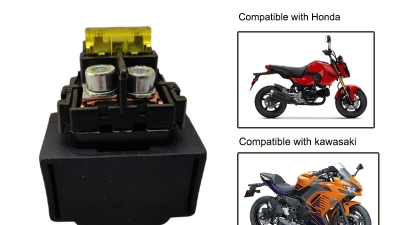
In the pursuit of maximizing motorcycle performance, one cannot overlook the critical role of essential components like the AS 35850 DC 12V solenoid. According to the 2023 Industry Report, the starter relay, an electromagnetic switch, is fundamental in controlling the high-current circuit that powers the starter motor. When the ignition key is turned, this relay bridges a lower current from the ignition system to a significantly higher current that cranks the engine. The report highlights that a high-quality starter relay can withstand current requirements ranging from tens to hundreds of amperes, ensuring reliable engine starts under varying conditions.
Electromagnetic operation is at the heart of the starter relay's functionality. The relay features a coil that generates a magnetic field when activated, thereby drawing a movable contact to close the circuit between the battery and the starter motor. This critical process is detailed in industry analyses, which show that a properly functioning relay can significantly improve engine cranking speed and torque, yielding smoother starts. Furthermore, the report emphasizes the importance of using durable materials in relay construction to protect against environmental factors and ensure longevity, underscoring the connection between component quality and overall motorcycle performance.
: Common mistakes include failing to assess the supplier's quality standards, neglecting specifications for your application, and underestimating the importance of post-purchase support.
Ensure your supplier adheres to recognized quality standards like ISO 9001, which guarantees consistency and reliability in production.
Evaluate functional requirements such as voltage, mechanical force, and duty cycle to avoid mismatched specifications which can lead to malfunctions.
Robust after-sales support can lead to a 20% increase in customer satisfaction and helps address any complications that may arise after the purchase.
Always request detailed product documentation and test results to ensure that the solenoids meet your specifications.
Testing and certification ensure that solenoids meet safety standards, verify functionality, and assess durability, especially in hazardous environments.
The CCC certification is mandatory for electrical explosion-proof components in China, ensuring compliance with safety guidelines and reducing risks of failures.
By committing to compliance with relevant certifications and rigorous testing protocols that reflect industry best practices, manufacturers can ensure operational integrity.
According to the IEC, around 30% of solenoid failures directly result from poor manufacturing practices.
Choose suppliers who provide comprehensive training and support resources to maximize the effectiveness of solenoids in your operations.