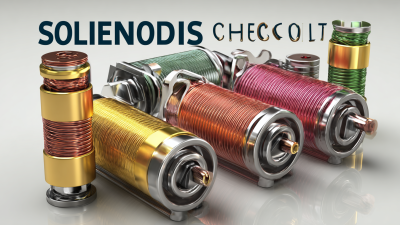
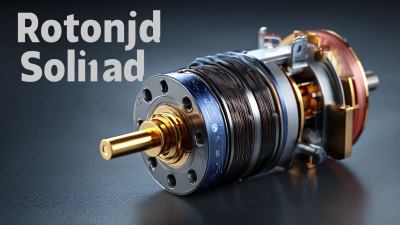
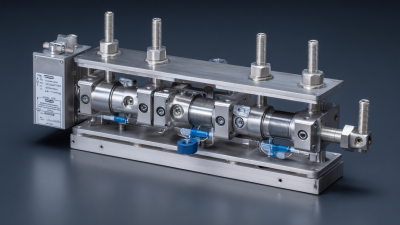
 Hey there! So, let’s chat about the world of global manufacturing for a minute. It’s constantly changing, right? And if businesses want to keep up and really shine in their game, knowing the ins and outs of industry standards for solenoid coils is super important. Here at Dongguan Asite Technology Co., Ltd., we’re pretty proud of the wide variety of products we offer. From open frame and tubular solenoids to push-pull, holding, latching, and rotary types, we’ve got it all covered—fitting both standard specs and those unique customer needs. You know, our focus is all about precision engineering, and we embody this cool saying: '精工细造,中国制造,服务世界' which means we’re all about crafting quality that serves the world. We're always innovating to meet the diverse needs of solenoid coils, car lights, smart door locks, and different solenoid valves. In this blog, we’re going to dive into how global procurement dynamics and industry standards play out. Our goal is to help businesses make smart choices that keep up with tech advancements and what the market really wants.
Understanding the Importance of Quality Standards in Solenoid Coil Manufacturing
When it comes to making solenoid coils, sticking to quality standards is super important for keeping things running smoothly and efficiently. At the 2021 China Automotive Supply Chain Conference, folks were really buzzing about how critical high-quality parts like solenoids are, especially with all the cool stuff happening in automotive tech. We're talking about things like line-controlled chassis and electromagnetic valves. These components not only need to meet tough quality guidelines, but they also play a big role in boosting safety and performance. As we see more standardization in production, this aspect is just becoming more vital.
As our industries move towards better automation, the push for quality is getting even stronger. Recently, regulatory authorities have given the green light to new national standards that cater to the changing demands in sectors like automotive and industrial automation. This kind of alignment is a game changer—it's not just about keeping up, but also about gaining a competitive edge in manufacturing. Plus, it reassures global procurement strategies that are all about reliability and efficiency. So, for manufacturers aiming to really get ahead in our interconnected world, meeting these standards is going to be a must, especially as the need for top-notch solenoid coils keeps climbing.
Understanding Quality Standards in Solenoid Coil Manufacturing
This chart illustrates the importance levels of various quality standards in the manufacturing of solenoid coils. Ensuring compliance with these standards is crucial for global procurement and maintaining product quality.
Key Characteristics to Look for in High-Quality Solenoid Coils
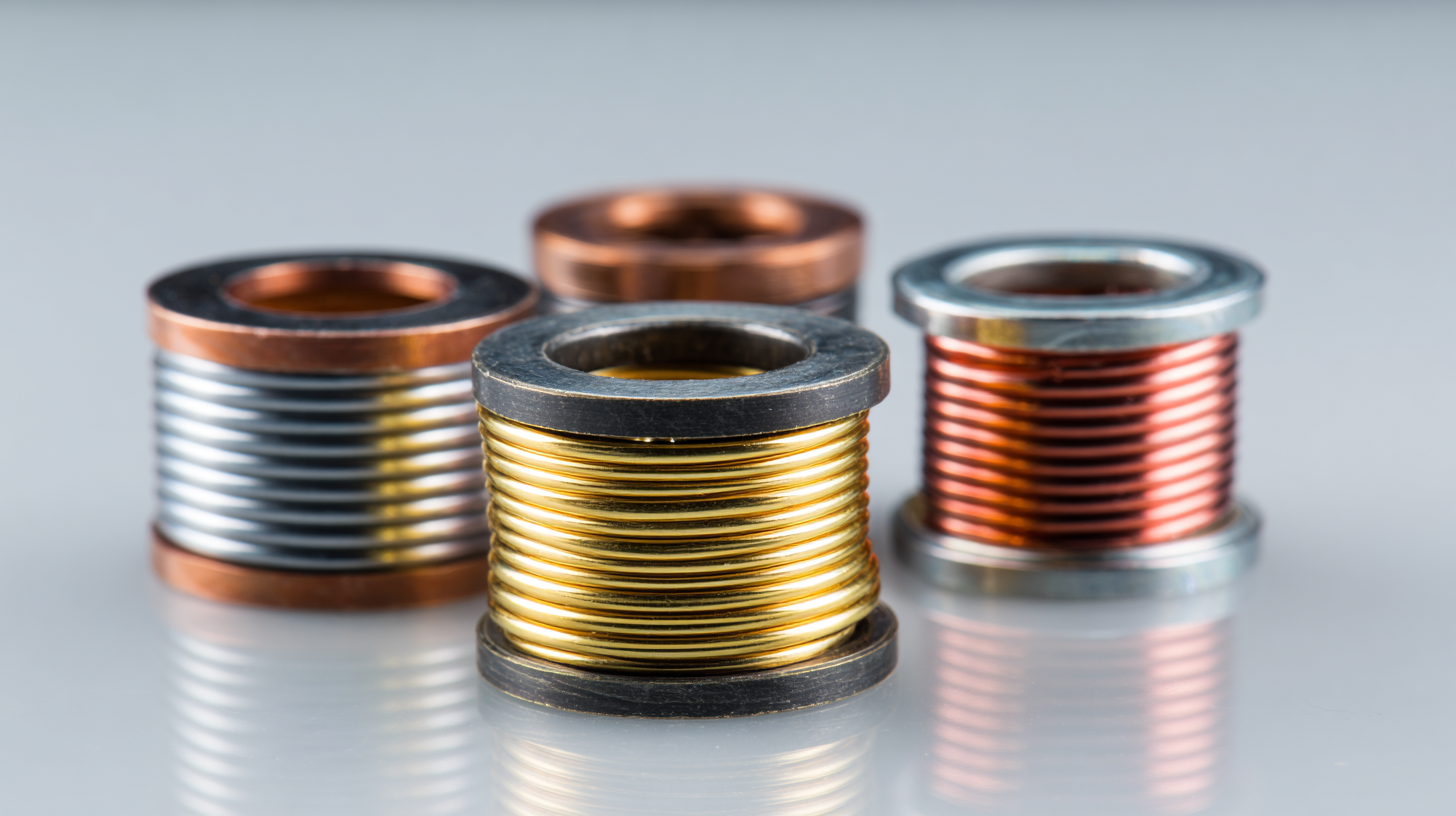
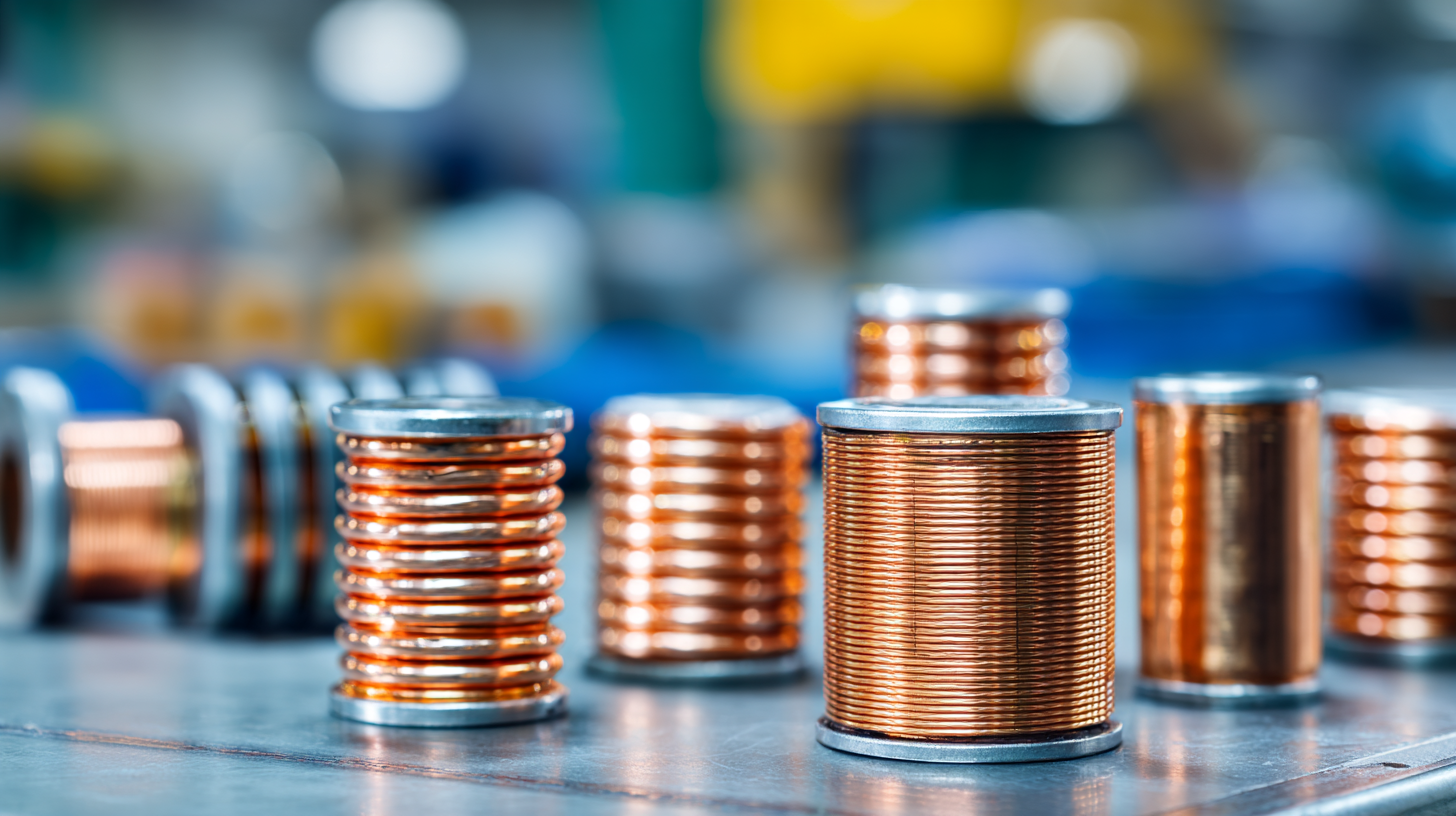
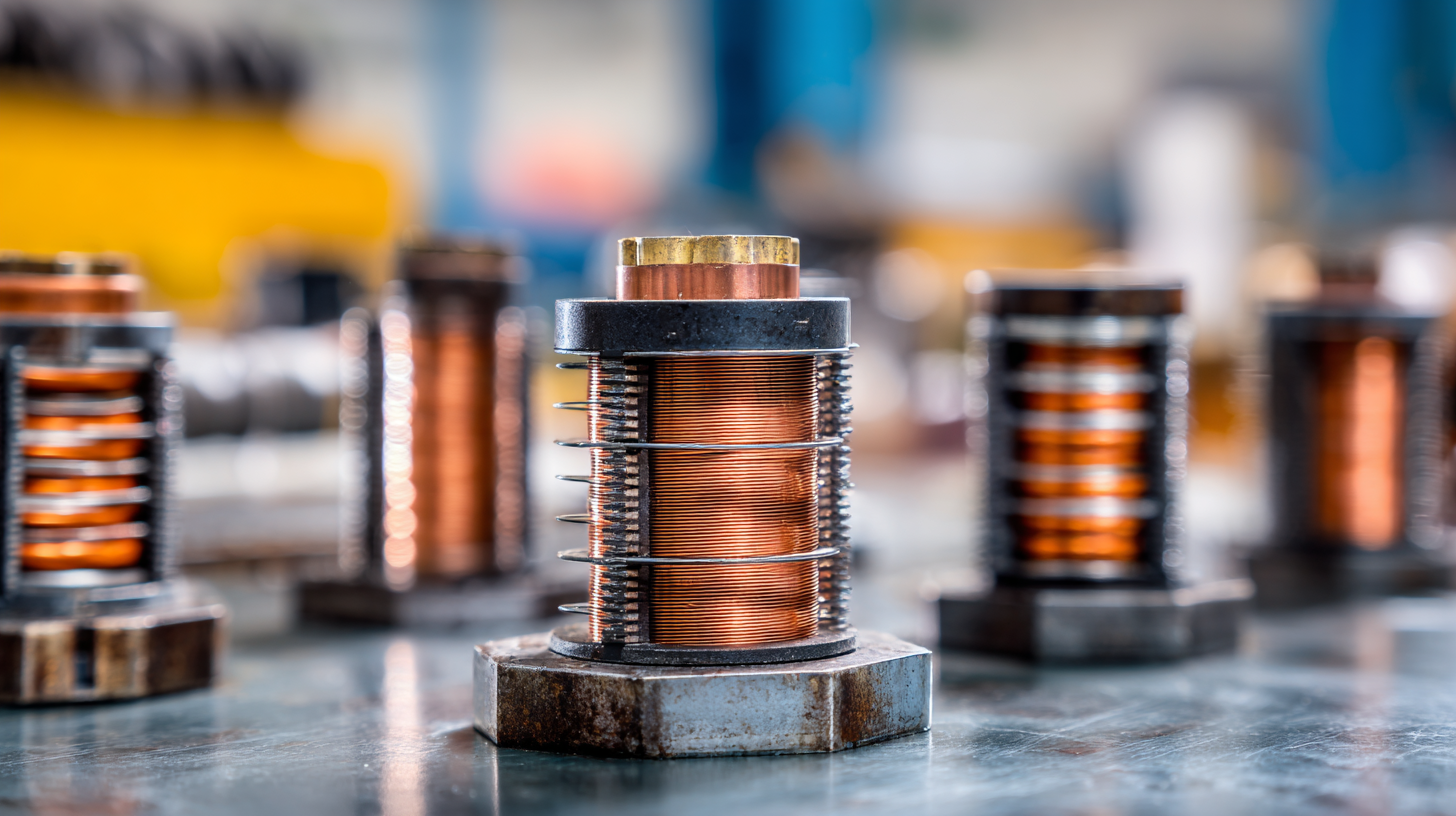
Hey there! When you’re on the hunt for top-notch solenoid coils, there are a few key things you really want to keep in mind that can help you spot the good stuff from the average. First off, let’s talk about the coil wire. You can’t go wrong with high-purity copper—it really amps up conductivity and thermal performance, which means you get better efficiency and longer-lasting products. Oh, and don’t forget about the insulation. A lot of folks overlook this, but it’s super important for preventing short circuits and making sure everything runs smoothly, no matter the conditions out there.
Here at Dongguan Asite Technology Co., Ltd., we totally get that being on top of these industry standards is vital for anyone sourcing products worldwide. Our lineup includes a variety of solenoids—open frame, tubular, and push-pull ones—designed not just to meet but to exceed the usual specs. Plus, we’re all about customization, so we can really tailor our products to fit your specific needs. Whether you’re diving into automotive solutions or setting up a smart security system, we’re dedicated to ensuring our solenoid coils hold up in tough scenarios. That promise to deliver both standard and custom options makes us a standout in the solenoid market, always ready to adapt to the latest industry trends.
Global Procurement Trends: Sourcing Strategies for Solenoid Coils
You know, as industries keep changing and evolving, sourcing strategies for solenoid coils are doing the same. These coils are super important in all sorts of applications, like in cars, aerospace, and even consumer electronics. I came across this report from MarketsandMarkets that mentions the global solenoid coil market is expected to hit about $3.2 billion by 2025, growing at a rate of 4.6% each year. That's pretty impressive and really shows how much demand there is for dependable and efficient solenoid coils. Because of this, businesses need to rethink their procurement strategies to keep up with shifting industry standards and what consumers are looking for.
When it comes to global procurement for solenoid coils, it's really all about building solid relationships with suppliers and keeping up with the latest market trends. One smart move is to use data analytics tools; they can help you evaluate how well suppliers are doing and the quality of the materials. Plus, trying out a just-in-time procurement model could save on inventory costs while making sure you’ve got the solenoid coils you need when you need them for production.
Here are a few tips that might help you out:
1. Make it a habit to regularly check and update your supplier evaluation criteria so it lines up with the latest standards.
2. Don’t miss out on industry conferences and workshops—those are great places to connect with suppliers and pick up on new trends.
3. And definitely have a risk management strategy in place. You never know when something might disrupt the supply chain, especially when you’re sourcing globally.
Impact of Certification and Compliance on Solenoid Coil Manufacturers
You know, certification and compliance are super important in the solenoid coil manufacturing world. They don’t just influence the quality of products; they can really dictate whether a manufacturer can even get into certain markets. To reassure customers about safety, reliability, and performance, manufacturers need to stick to various industry standards like ISO, UL, and CE certifications. And here’s the kicker: sticking to these standards doesn’t just boost credibility; it also helps companies break into global markets, which can have some pretty different regulations. So, instead of just cranking out coils that meet local rules, manufacturers really need to think about those international certifications if they want to keep up with the competition.
But there’s more to it! Certification is about way more than just being compliant; it helps build trust and transparency throughout the supply chain. Nowadays, customers want to see proof of standards from their suppliers, which means manufacturers have to step up their game with some solid quality assurance processes. This push for compliance creates a chain reaction, leading manufacturers to invest in new tech and practices that don’t just meet but actually exceed the standards. As a result, those who embrace certification and compliance not only get their products ready for the market but also position themselves as top players in quality and reliability within the global solenoid coil scene.
Understanding Industry Standards for the Best Solenoid Coils and Their Global Procurement Implications
| Standard/Certification |
Description |
Region |
Compliance Impact |
| ISO 9001 |
Quality Management Systems |
Global |
Enhances quality assurance and customer satisfaction. |
| CE Marking |
Compliance with EU safety, health and environmental requirements |
European Union |
Mandatory for market entry, ensures product safety. |
| RoHS |
Restriction of Hazardous Substances |
European Union |
Limits hazardous materials in electrical products, increasing safety. |
| UL Certification |
Safety standards for electrical devices |
North America |
Validates safety and performance, boosts customer confidence. |
| IPC/WHMA-A-620 |
Requirements and Acceptance for Cable and Wire Harness Assemblies |
Global |
Ensures high-quality installations and reliability in manufacturing. |
Cost-Benefit Analysis of Investing in Premium Solenoid Coil Suppliers
You know, when it comes to investing in solenoid coils, going for top-notch suppliers can really make a difference in how smoothly your operations run and how reliable your products are. I came across a market analysis recently that showed high-quality solenoid coils can cut failure rates by as much as 30% compared to those cheaper options out there. I mean, think about it: fewer failures mean you’re not spending a fortune on replacements, and you get to keep your business chugging along without all those annoying downtimes. Sure, the upfront costs might sting a little, but trust me, the long-term savings and improved performance totally make it worth it.
Oh, and here’s a tip—when you're picking a solenoid coil supplier, don't just chase the lowest price. Look into their quality and reliability too, and check for those certifications and customer reviews. If they meet recognized industry standards, you're saving yourself a lot of headaches down the road.
Also, a deep dive into cost-benefit analysis shows that teaming up with reputable solenoid coil manufacturers can lead to a whopping return on investment (ROI) of around 150% over five years. These suppliers usually back their products with better warranties, which is definitely a nice peace of mind. It's important for companies to balance those initial costs against the potential gains from better quality and service.
And one more thing: I suggest establishing a regular review process to check on your supplier’s performance and product quality against industry benchmarks. This way, you’ll continue reaping the benefits of your investment. Plus, regular check-ins can help spot areas where you can improve and save some money too!
Unlocking the Potential of AS 4025 DC 24V Electric Lifting Magnet: A Must-Have for Industrial Applications
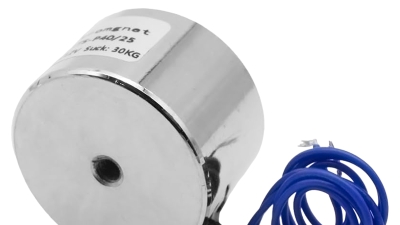
The industrial sector continuously seeks efficient and effective solutions to enhance productivity, and the AS 4025 DC 24V Electric Lifting Magnet epitomizes this endeavor. With its compact design featuring a diameter of 40 mm and a height of 25 mm, this electric lifting magnet operates on the robust principle of a holding sucker solenoid. When energized, it provides a peak force of 300 N and a holding force of 200 N, making it ideal for various industrial applications, ranging from intelligent robotics to traditional manipulators.
According to industry analysis, the demand for electric lifting magnets is on the rise, particularly in sectors focused on automation and material handling. Such electromagnets are essential for efficiently gripping magnetic workpieces, as they reduce manual labor and enhance precision in operations. However, specific guidelines must be adhered to for optimal performance—objects should consist of magnetic material, have smooth surfaces, and a minimum thickness of 5 mm, ensuring secure attachment during use.
The versatility of the AS 4025 is also complemented by its durability, constructed from high carbon steel with a zinc coating, ensuring resistance to corrosion. With a duty cycle of 50% and an electric engagement time of less than 7 minutes, manufacturers can rely on this product for both performance and longevity. Customization options are available, allowing businesses to adapt the electromagnetic lifting capabilities to their unique operational requirements.
FAQS
: The material composition, particularly using high-purity copper, enhances conductivity and thermal performance, leading to improved efficiency and longevity in solenoid coils.
Insulation quality is crucial as it prevents short circuits and ensures reliable operation under various environmental conditions, impacting the overall performance of solenoid coils.
Dongguan Asite Technology offers a range of solenoid coils, including open frame, tubular, and push-pull designs, with options for customization to meet specific user requirements.
Certification is vital because it assures customers of safety, reliability, and performance, enhancing product credibility and opening access to global markets.
Manufacturers should consider meeting various international standards such as ISO, UL, and CE certifications to remain competitive and comply with global regulatory environments.
Compliance fosters trust and transparency in the supply chain, encourages rigorous quality assurance processes, and can lead to investments in innovative technologies that exceed standard requirements.
The company focuses on quality and customization to address specific needs across various sectors, such as automotive applications and smart security solutions.
Quality assurance is critical as it ensures that manufacturers meet industry standards, which in turn builds customer trust and reliability in the products offered.
Adhering to certification and compliance can improve market access by proving product quality and allowing manufacturers to compete effectively in diverse global markets.
By investing in these areas, manufacturers ensure their products are market-ready, enhance their reputation for quality and reliability, and position themselves as leaders in the solenoid coil industry.