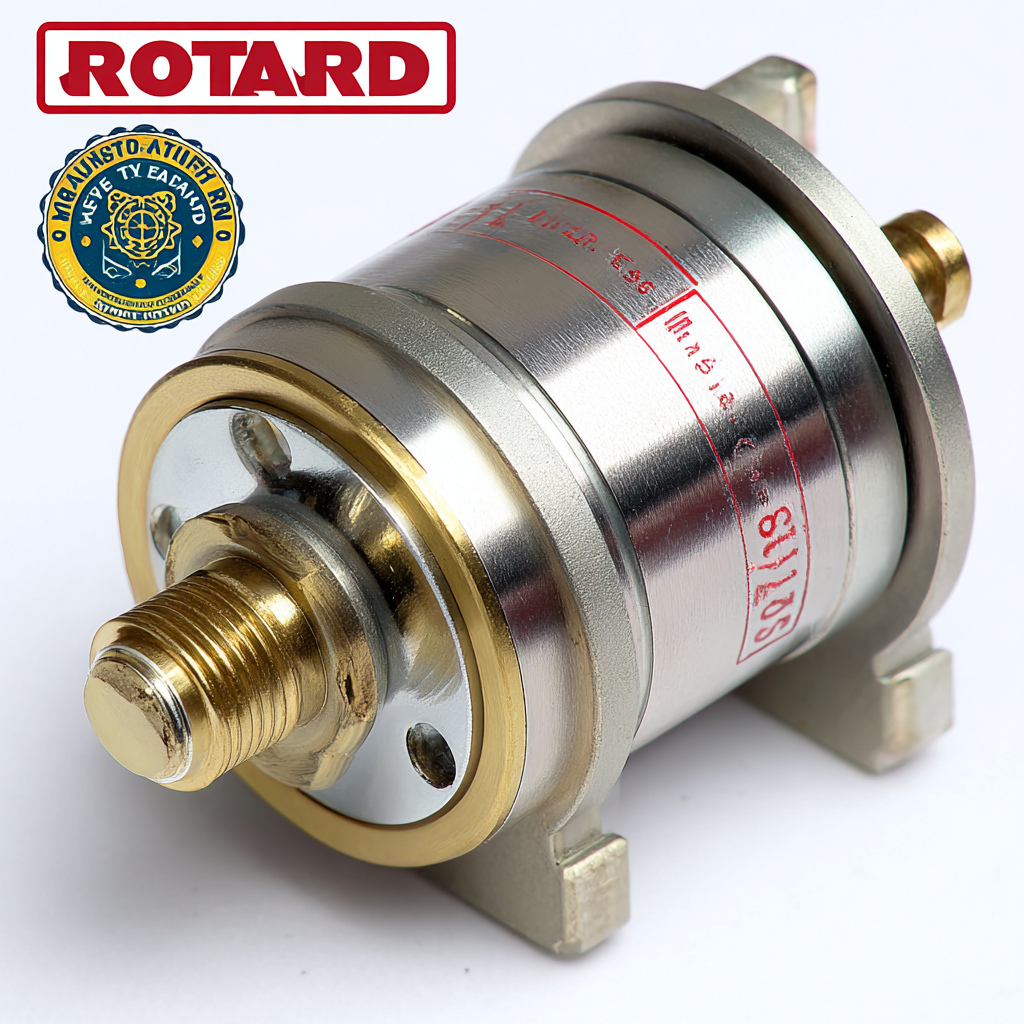
You know, in today’s tech world, rotary solenoids are really making waves. They're popping up in all sorts of industries, from cars to smart home gadgets. At the forefront of this trend is Dongguan Asite Technology Co., Ltd., which offers a super diverse lineup of products like open frame solenoids, tubular ones, and even push-pull and latching solenoids. Oh, and let’s not forget their cool offerings like car lights and smart door locks! As we dive into what makes rotary solenoids so game-changing, it's important to talk about some of the challenges and hiccups that can come up when using them in different settings. In this blog, we’ll take a closer look at the unique features of rotary solenoids, chat about potential issues they might face, and highlight how Dongguan Asite Technology is all about customization and innovative design, helping to tackle these challenges and paving the way for some awesome tech advancements.
Exploring the Evolution of Rotary Solenoids in Modern Technology
You know, rotary solenoids have really come a long way, right? They've completely changed the game across different industries, especially in automation and robotics. So, there's this report from Allied Market Research that suggests the global solenoid market could hit a whopping $13.5 billion by 2027! It’s mainly because everyone’s jumping on the automation bandwagon and the whole smart tech wave. It’s pretty wild to think about how rotary solenoids are becoming fundamental parts in everything from cars to appliances we use at home – talk about versatility!
When you look at modern technology, rotary solenoids have evolved so much from those old-school versions. Nowadays, they use precision engineering and some pretty advanced materials. Research and Markets did a study showing that recent advancements in electromagnetic tech have really boosted their performance. We're talking quicker actuation speeds and way more reliability. That's why we’re seeing them pop up all over the place in robotics, manufacturing lines, and electronic gadgets. They’re key players in hinge mechanisms, locking systems, and all sorts of automated tasks. This evolution really highlights just how vital rotary solenoids are in pushing the next wave of tech forward!
Key Industries Benefiting from Rotary Solenoid Innovations in 2025
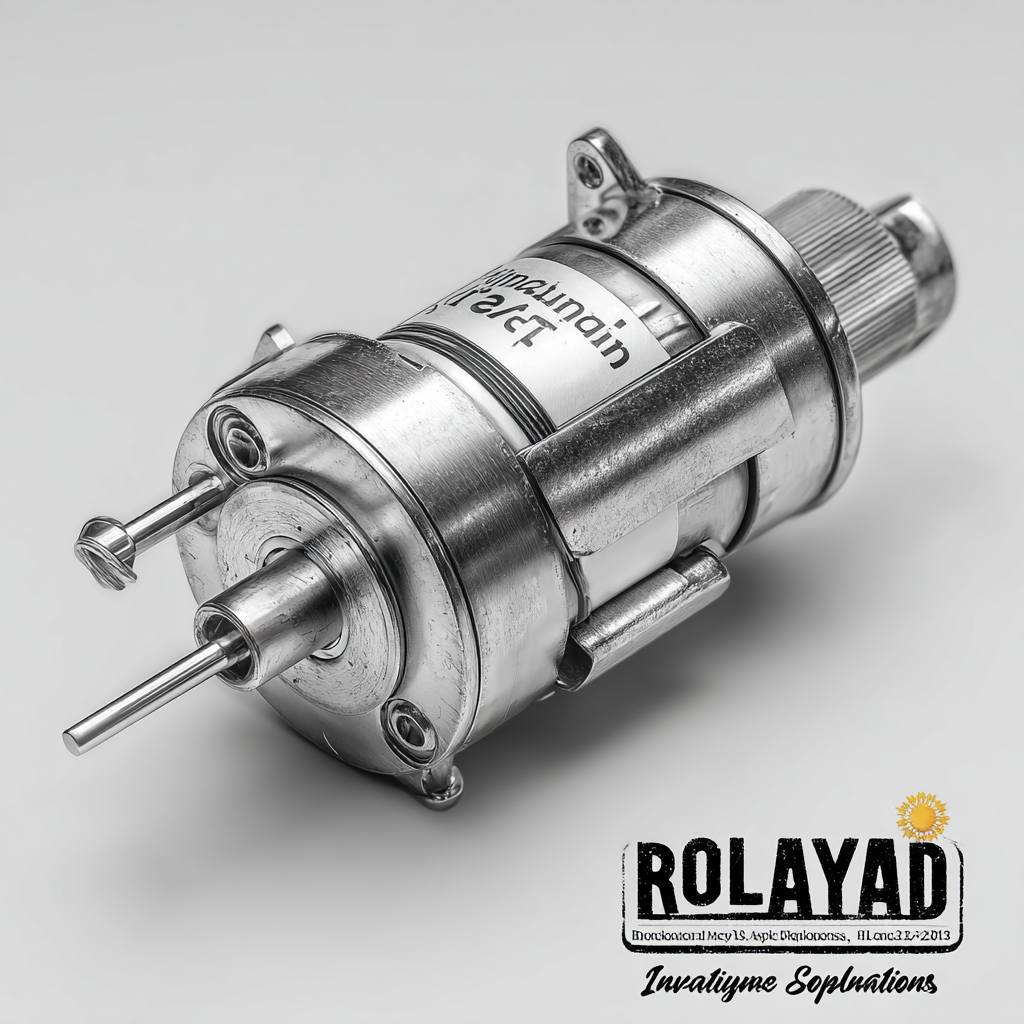
So, here we are in 2025, and can you believe how rotary solenoids are shaking things up across several major industries? It’s pretty exciting, really! Sectors like automotive, home automation, and smart tech are reaping some serious rewards from these cool innovations. You see, rotary solenoids are awesome because they turn electrical energy into mechanical motion. This makes them super important for things like smart door locks, where you totally want reliability and precision, right?
Dongguan Asite Technology Co., Ltd. is right there in the mix, offering a whole range of products to meet the crazy demands of today’s applications.
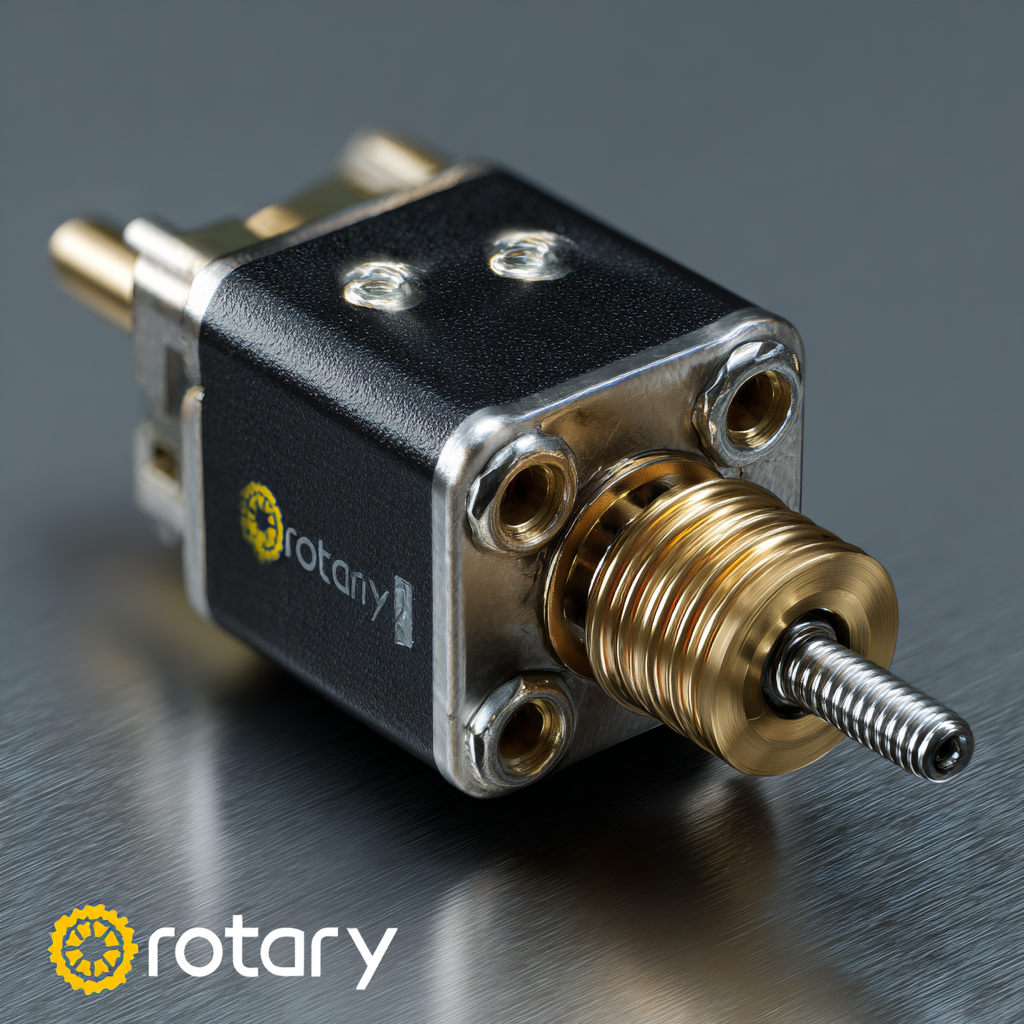
And let’s not forget about the auto industry! They’re leveraging rotary solenoids to level up vehicle control systems. We’re talking features like automated locking mechanisms and even smarter electric power steering. As car makers push to squeeze in even more intelligent technology, tailored solenoid solutions from companies like Asite are key to boosting performance and efficiency. With a real passion for innovation, Asite is definitely leading the charge in these developments and helping various industries move towards a tech-savvy future.
Cutting-Edge Applications: How Rotary Solenoids Are Shaping Automation
You know, rotary solenoids are really making waves in the world of modern automation. They play a crucial role in some really cool applications. With everyone on the hunt for super precise and efficient mechanical systems these days, it’s no wonder we see rotary solenoids popping up everywhere in industrial automation. These handy little devices turn electrical energy into rotary motion, and they do it fast and reliably! Whether it’s in automated assembly lines or robotics, they’re in the thick of it. Plus, their compact design and impressive torque make them perfect for situations that demand quick responses without guzzling energy.
And here’s the thing: as industries start jumping on the bandwagon of advanced materials like carbon fiber reinforced polymers (CFRP), the need for innovative actuation solutions just skyrockets. You’ll find that rotary solenoids are becoming the go-to in the production of CFRP composites, especially when it comes to edge trimming tasks—where every little detail matters! Their adaptability to different operational needs really boosts manufacturing efficiency, which ultimately means better product quality. Oh, and let’s not forget the booming single-chain actuator market; it highlights just how relevant rotary solenoids are, particularly in the automotive world. Their smooth and controlled motion is becoming essential for modern vehicle systems. It’s pretty clear that the future of automation is being shaped by these versatile little workhorses, leading us to smarter and more efficient manufacturing solutions.
Sustainability and Efficiency: Rotary Solenoids' Role in Green Technology
You know, in today's fast-paced tech world, rotary solenoids really do shine as key players when it comes to driving sustainability and efficiency across a bunch of applications. These little devices are super important for automating processes and cutting down on energy use, which totally fits with the current trend towards greener technology. The way rotary solenoids turn electrical energy into rotational motion makes them perfect for all sorts of applications, whether it’s in electric vehicles or those energy-efficient automation systems you see in factories.
If you’re thinking about weaving rotary solenoids into your projects, here are a couple of handy tips: First off, make sure you pick the right size solenoid for your specific needs—this is crucial for getting the most out of its efficiency and performance. If you go too big, you’ll just waste energy, but if you go too small, it might not work the way you want it to. Secondly, don’t forget to look into using eco-friendly materials and production methods when working with rotary solenoids; it'll really up the sustainability factor of your tech.
Integrating rotary solenoids into smart systems can totally help in cutting down energy waste. For example, using sensors that only activate the solenoids when necessary can keep things efficient and save power. As various industries make a push for greener solutions, the creative use of rotary solenoids is bound to play a big part in our path towards a more sustainable future.
Future Trends: Anticipated Developments in Rotary Solenoid Design and Functionality
Looking ahead at where rotary solenoids are headed, there are some really exciting trends popping up that show just how far we’ve come in terms of design and functionality. One big thing we’re seeing is the integration of smart tech—think IoT capabilities. This is going to make rotary solenoids a lot more interactive and efficient in a bunch of different applications. With this kind of connectivity, we’ll be able to monitor and control things from afar, which is a game changer for smart homes, automation, and even robotics.
Plus, we can’t ignore the trend toward miniaturization. As we all know, devices are getting smaller but packing more power than ever before. This means there’s a growing demand for compact yet efficient rotary solenoids. Thanks to advances in materials science, we’re now looking at options that are lighter and perform better, running on less energy but still delivering that much-needed strength and reliability. These improvements are set to not only enhance current applications but also open up a whole new world of possibilities in areas like medical devices and aerospace, where every bit of space and efficiency really counts.
Innovative Applications of Best Rotary Solenoid in Modern Technology - Future Trends
| Application Area |
Functionality |
Anticipated Developments |
Efficiency Improvements |
| Automation Systems |
Enhancing precision in robotic arms |
Integration of AI for adaptive responsiveness |
20% increase in operational efficiency |
| Medical Devices |
Controlled movement in surgical tools |
Miniaturization for better accessibility |
Reduction in energy consumption by 15% |
| Smart Home Devices |
Automated locking mechanisms |
Improved connectivity with IoT technology |
Enhancement of user experience by 30% |
| Automotive Industry |
Actuation of electronic mechanisms |
Development of lightweight materials |
Fuel efficiency improvement by 10% |
| Industrial Machinery |
Positioning and locking applications |
Smart sensors for predictive maintenance |
Reduction of downtime by 25% |
Real-World Solutions: Case Studies of Rotary Solenoids in Action
You know, rotary solenoids have really become key players in a bunch of modern tech applications. They’re super reliable and efficient, making waves in all sorts of industries. Take the automotive industry, for instance. There’s this fascinating case where they’ve replaced traditional mechanical systems on automated assembly lines. Thanks to rotary solenoids, manufacturers can control assembly processes with amazing precision, which not only speeds things up but also boosts accuracy. This quick on-off action really helps streamline operations, and who doesn’t love that? It leads to higher productivity and cuts down on costs, which is always a win!
Then there’s the healthcare sector, where their impact is pretty astounding too. Just think about medical devices—rotary solenoids are behind the scenes in things like automated pill dispensers and even surgical instruments. In the world of robotic surgery, for example, these little guys are crucial for controlling movement. They facilitate those delicate maneuvers that are so important during operations. This technology not only enhances surgical results but also helps patients bounce back faster, which is such a game changer. All in all, these real-world examples really highlight how essential rotary solenoids are in pushing efficiency and innovation forward across different fields.
The Critical Role of Metal Stamping in the Production of DC Solenoid Housing Enclosures
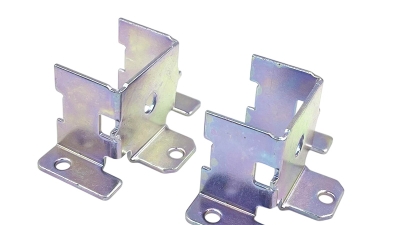
The production of DC solenoid housing enclosures heavily relies on precise metal stamping processes, which are essential for ensuring both the performance and reliability of the final product. Key to successful metal stamping is meeting stringent dimensional accuracy requirements, typically maintained within a tolerance of 0.05mm. This tight control ensures that the actual size of the stamped parts aligns closely with the designed specifications, facilitating proper assembly and optimal performance of the electromagnet. Furthermore, geometric shape accuracy plays a critical role; factors such as flatness and verticality can significantly influence how well different components fit together.
Additionally, the surface quality of metal stamped parts should not be overlooked. An immaculate surface free from scratches and defects is crucial as it affects the overall functionality and aesthetics of the electromagnet. A high-quality finish not only enhances appearance but also serves as a foundation for necessary surface treatments like electroplating, ultimately improving insulation and heat dissipation. Moreover, careful selection of materials that exhibit superior conductivity and magnetic permeability is vital, along with possessing excellent stamping characteristics to prevent issues like cracking and mold adhesion problems.
Effective mold design further contributes to efficient metal stamping processes for solenoid housings. High precision in mold manufacturing ensures the stamped parts achieve the required size and shape accuracy. Moreover, the structural design of molds must facilitate ease of production, maintenance, and debugging. When molds are efficiently designed, the result is a streamlined assembly process where stamped parts can be quickly integrated with other components, thus enhancing overall production efficiency and product quality. This critical role of metal stamping emphasizes its significance in the performance and durability of DC solenoid enclosures.
FAQS
: Key industries benefiting include automotive, home automation, and smart technology.
They enable features like automated locking mechanisms and advanced control in electric power steering.
They convert electrical energy into rotary motion, providing rapid and reliable actuation for various applications.
Their compact design and high torque capabilities make them ideal for applications requiring quick response times and minimal energy consumption.
They are used in edge trimming tasks, where precision and efficiency are vital.
Expected trends include the integration of IoT capabilities and miniaturization of designs for more compact and efficient applications.
It will support the development of smaller, yet more powerful devices, operating at reduced energy consumption while maintaining performance.
Innovations could unlock applications in fields such as medical devices and aerospace technology.
As a leading provider, they offer a diverse range of customized solenoid solutions to meet the evolving demands of various industries.
It will enhance interactivity and efficiency, allowing for remote monitoring and control in smart systems.