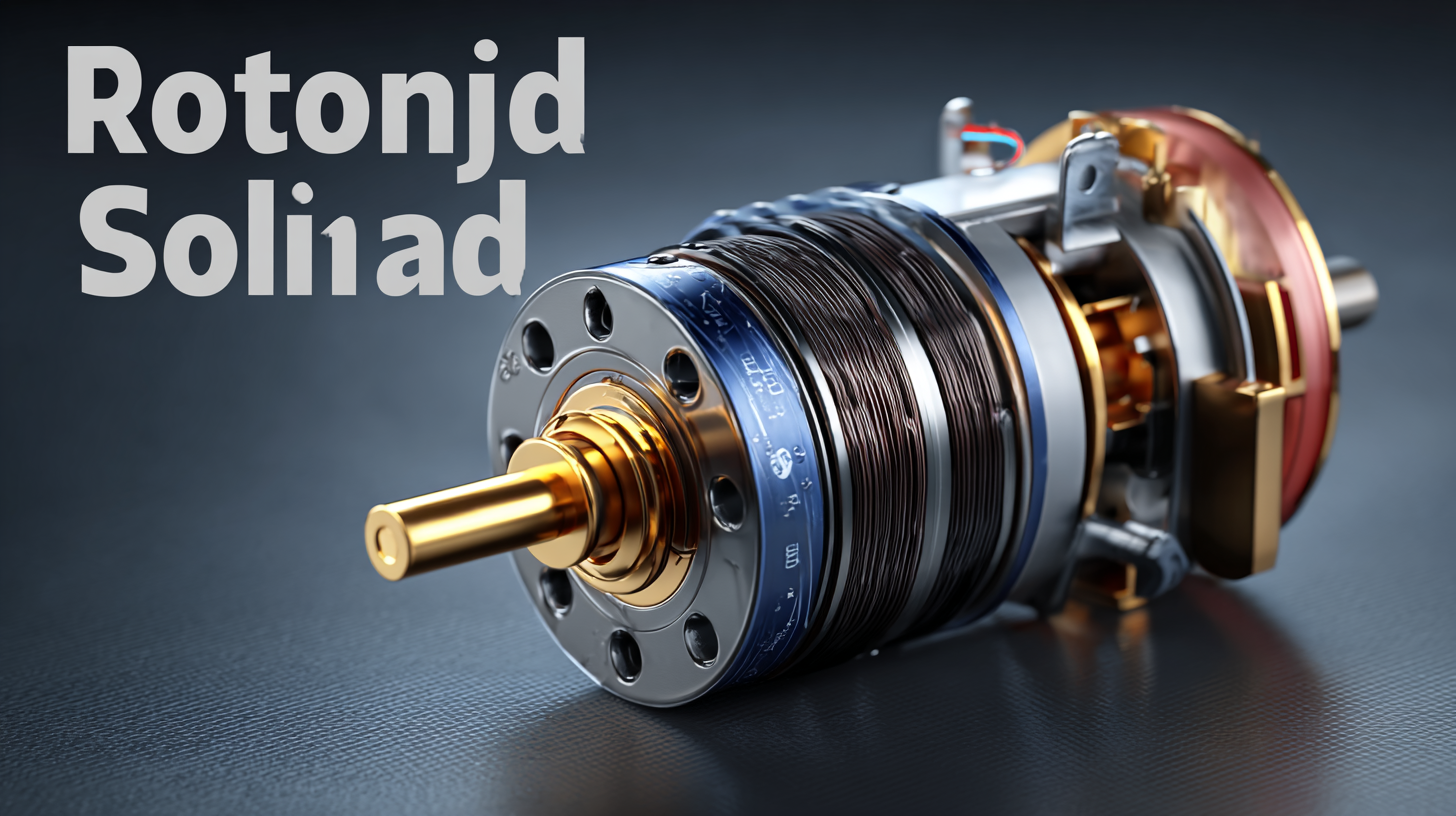
 Hey there! So, you know how fast things are changing in technology these days? Well, rotary solenoids have really become key players in all sorts of areas, from cars to high-tech security systems. If you're looking to get the most out of these devices, it's super important to understand how they work. That's where Dongguan Asite Technology Co., Ltd. comes in—they're really leading the charge with a cool range of products, including open frame, tubular, push-pull, holding, latching, and especially rotary solenoids. In this blog, we’re going to take a close look at rotary solenoids, diving into how they actually function and where you can find them used across different industries. Plus, we’ll shine a light on the amazing customization options we offer. At Dongguan Asite Technology, we're all about creating tailored solutions that fit our clients' unique needs. It's part of what makes us a standout in China’s manufacturing scene!
Benefits of Rotary Solenoids in Automation Processes
You know, rotary solenoids have really become a staple in the automation world. They’re all about providing efficient and reliable actuation solutions across so many different industries. I came across a report from MarketsandMarkets that predicts the global solenoid market will hit around USD 6.68 billion by 2025, growing at an impressive rate of 6.2% annually. It's pretty clear this trend is fueled by more and more companies embracing automated systems, especially in manufacturing and beyond. What makes rotary solenoids particularly special is their compact design and their ability to deliver high torque, which is perfect for everything from robotics to heavy machinery.
One of the big perks of using rotary solenoids in automation is how precise they are. A recent article in IEEE pointed out that these solenoids allow for super quick and accurate positioning—essential for things like assembly line work and material handling. When you integrate rotary solenoids into these processes, it really boosts efficiency and cuts down on downtime, which ultimately saves a ton of money. Plus, with the tech advances we’ve seen, they've become even more responsive and durable, making them a go-to for engineers who are all about optimizing their automated systems.
Enhancing Precision and Control with Rotary Solenoids
You know, rotary solenoids have really become key players in today's tech scene, especially in situations where every little bit of precision and control counts. Basically, they take electrical energy and turn it into rotational motion, which opens up a whole range of possibilities—from basic on-and-off switches to the intricate moves of robots. Their knack for delivering steady torque and pinpoint positioning makes them a perfect fit for industries like automation, aerospace, and medical gear, where you absolutely need reliable performance.
What’s really cool about rotary solenoids is how they can step up control in complicated systems. Take robotic arms in surgery, for example—these solenoids allow for super precise movements, making it possible to perform those delicate operations that need that extra touch of accuracy. And in cars, they’re just as important; they help manage actuators and locks, making sure everything works smoothly while also boosting safety. As tech keeps evolving, we’re likely to see rotary solenoids pop up more in smart devices, which is pretty exciting as they’ll help raise the bar for performance and efficiency across the board.
Comparative Analysis: Rotary Solenoids vs. Other Actuators
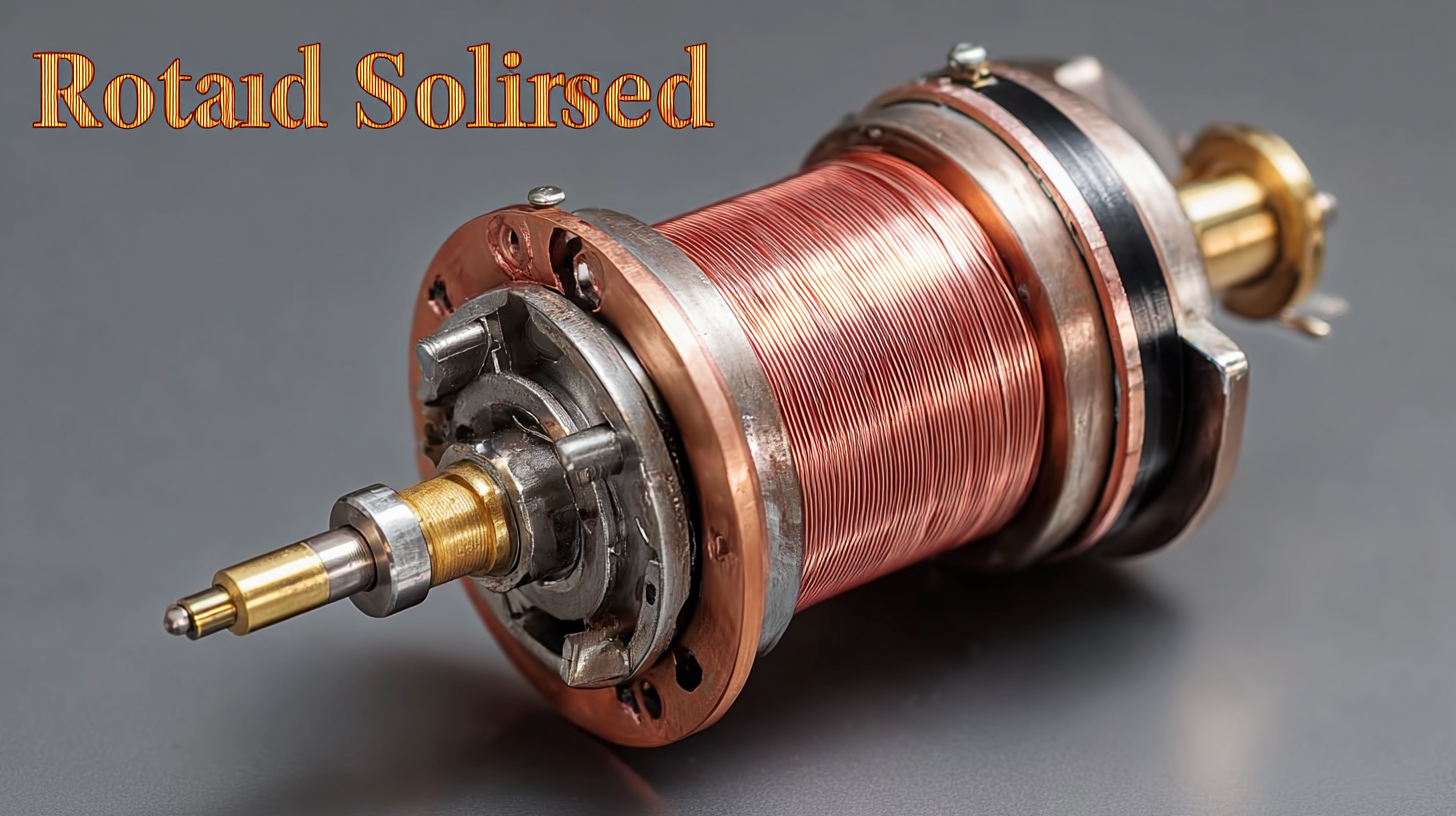
When comparing rotary solenoids to other actuators, such as linear solenoids and stepper motors, it’s vital to examine their unique mechanisms and applications.
Rotary solenoids leverage an electromagnetic coil to create rotational motion, making them ideal for tasks requiring a rapid, circular movement. In scenarios where space is limited, their compact design allows for versatility without compromising performance. On the other hand, linear solenoids convert electromagnetic energy into linear motion, which is better suited for applications needing straightforward push and pull actions.
In terms of flexibility, rotary solenoids can outperform many conventional actuators, particularly in industries like robotics and automation. Their ability to engage in continuous rotation allows for applications in robotics, automated machinery, and various consumer electronics. Meanwhile, stepper motors provide precise control over position and speed, making them indispensable in applications requiring high accuracy such as CNC machinery. While all these actuators have distinctive strengths, the choice largely depends on the specific requirements of the application, from the motion type to the power source, ultimately influencing operational efficiency in modern technology.
Applications of Rotary Solenoids in Robotics and Machinery
You know, rotary solenoids have really become a big deal in modern robotics and machinery. They offer that precise and reliable motion control we all need. These nifty electromechanical devices take electrical energy and transform it into rotational motion, which means they can be used for everything from simple mechanical actions to those more complex robotic movements that blow our minds. In the world of robotics, you'll often see rotary solenoids doing things like opening and closing grippers, adjusting angles in articulated arms, or even providing feedback about position. What’s great is that their compact design and quick response time really make them shine in tight spaces where every little bit of efficiency counts.
If you're thinking about bringing rotary solenoids into your designs, it's super important to keep load requirements and duty cycles in mind to really get the performance you want. Picking a solenoid with the right torque rating can save you from a mechanical mishap down the line and help it last longer. And don’t forget to check the power supply specs! Keeping those voltage and current levels consistent is key for reliable operation.
In the realm of industrial machinery, rotary solenoids are game changers when it comes to automation and efficiency. You’ll find them popping up in conveyor systems, for instance, where they manage the flow of materials, or in safety mechanisms that need precision for locking and unlocking. When you incorporate these solenoids, you can really smooth out the processes and boost throughput—making them an invaluable part of any modern manufacturing setup.
Applications of Rotary Solenoids in Robotics and Machinery
Energy Efficiency Advantages of Rotary Solenoids in Industry
You know, rotary solenoids are becoming super important in a bunch of industrial settings, and it's mostly because they're pretty energy-efficient. I came across this study from the International Energy Agency that said industrial facilities use about 30% of the world's energy—crazy, right? So, when we find ways to optimize stuff like rotary solenoids, it can lead to some serious energy savings. These little devices are great at turning electrical energy into linear motion with hardly any energy loss, which really boosts the efficiency of automated systems. This means industries can actually cut down on their energy bills and lower their carbon footprint, which we can all agree is a good thing.
And here’s something cool: recent reports suggest that using rotary solenoids in pneumatic and hydraulic systems can improve energy efficiency by as much as 30%. A big part of that boost comes from their compact design and fast actuation capabilities—they waste way less energy while they’re working. As more and more industries jump on the smart technology and automation bandwagon, the need for energy-efficient parts like rotary solenoids is definitely on the rise. It just goes to show how crucial they are to modern tech advancements!
Future Trends in Rotary Solenoid Technology and Applications
You know, as industries keep changing, rotary solenoid technology is really stepping up its game. It's kind of exciting because, according to a recent report from MarketsandMarkets, the global solenoid market is set to hit a whopping USD 5 billion by 2026, with a nice growth rate of around 6% from 2021. Why the surge? Well, a lot of it comes down to more automation in sectors like automotive, aerospace, and industrial machinery. Plus, there are some innovative designs coming out that make rotary solenoids more efficient and reliable, which is super important for today’s systems that need to be precise and responsive.
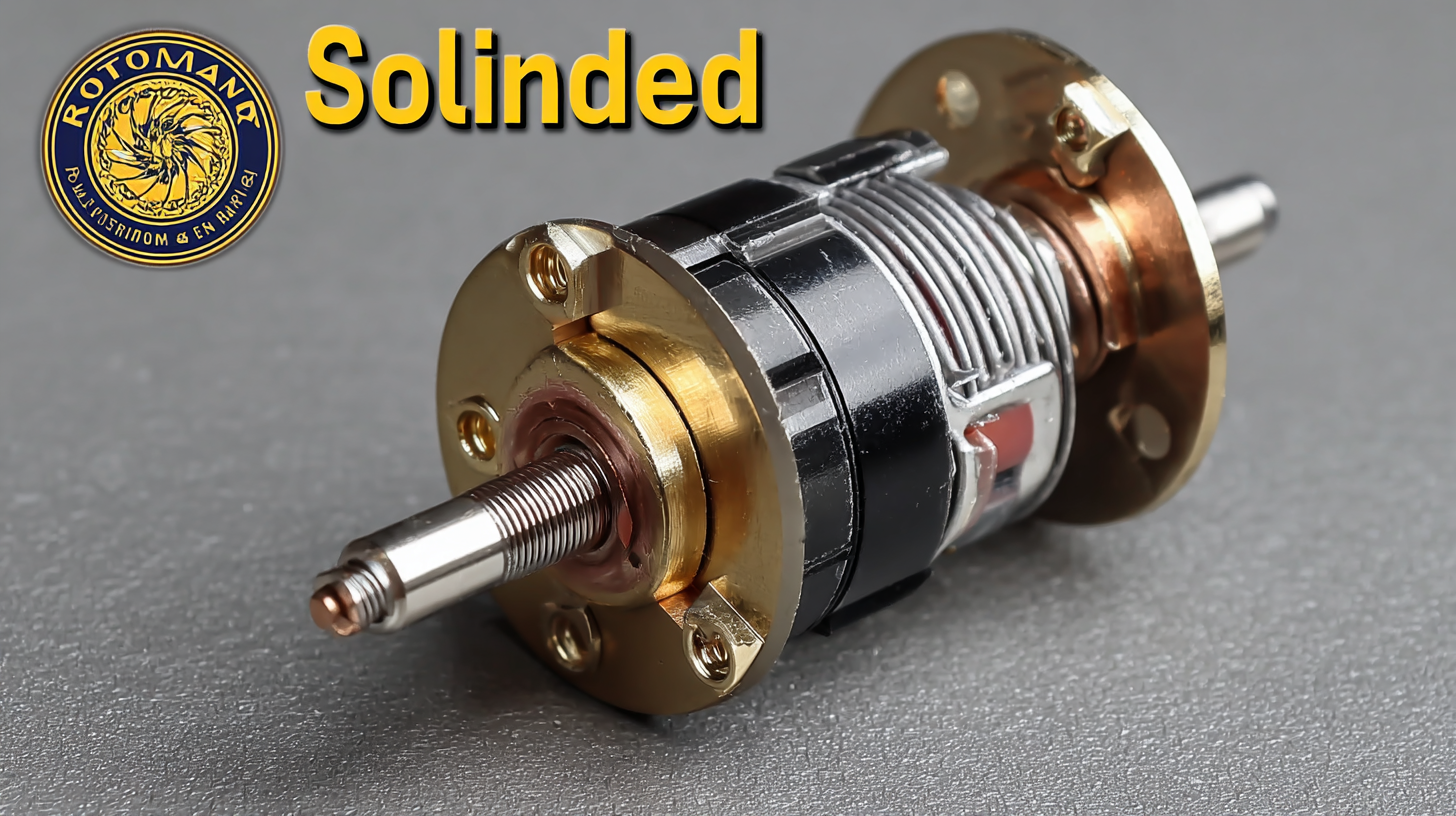
Looking ahead, we’re seeing some cool trends in rotary solenoid tech—like the integration of smart features. The whole Internet of Things (IoT) scene is really pushing manufacturers to create solenoids that you can control and communicate with remotely. A study by ResearchAndMarkets even pointed out that these smart solenoids could cut energy use by as much as 30% while boosting how well they perform. And on top of that, advances in materials and miniaturization mean we can have smaller solenoids without losing power—opening doors for their use in portable devices and robotics. It’s pretty clear that as these trends roll out, rotary solenoids are going to play an even bigger role in modern technology, which is really exciting for innovations across various industries.
Revolutionizing Massage Therapy: The Impact of AS 2834 DC 6V Push Pull Solenoid Electromagnet
Revolutionizing Massage Therapy with AS 2834 DC 6V Push Pull Solenoid Electromagnet
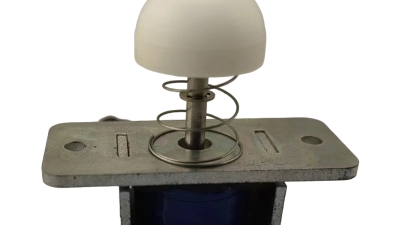
In the world of massage therapy, technological advancements are reshaping the way we experience relaxation and relief. One such innovation is the AS 2834 DC 6V push pull solenoid electromagnet, which plays a pivotal role in enhancing the efficiency and effectiveness of massage chair designs. With a stroke length of 6 mm and a force output of 2 N, this device operates under a unique principle of a flapper solenoid. When an electric current is applied, the copper coil activates, retracting the plunger and enabling precise control of mechanical movements within massage equipment.
These solenoids not only ensure that the massage chairs can deliver targeted pressure but also maintain a noise level below 60 dB, making them suitable for a tranquil environment. Reports in the industry indicate that the integration of solenoid technology can improve user satisfaction by providing customized massage experiences. Furthermore, the AS 2834 model boasts an impressive lifespan of over 100,000 cycles, ensuring durability and reliability for manufacturers and users alike.
The versatility of flapper solenoids extends beyond massage therapy; they are also employed in various applications such as printing and copy machines. As the demand for more sophisticated and efficient massage solutions continues to grow, the adoption of innovative components like the AS 2834 solenoid electromagnet will undoubtedly play a significant role in setting new standards in the industry, offering exceptional performance while adhering to ISO 9001-2015 and RoHS compliance.
FAQS
: Rotary solenoids provide efficient and reliable actuation solutions, enabling precise control capabilities, rapid and accurate positioning, and enhancing operational efficiency while reducing downtime and costs.
The global solenoid market is projected to reach USD 6.68 billion by 2025, with a CAGR of 6.2%, driven by the increasing adoption of automated systems across various industries.
Their compact design and ability to deliver high torque make rotary solenoids ideal for applications in robotics and industrial machinery, where space and precise actuation are crucial.
Rotary solenoids can lead to significant energy savings by converting electrical energy into motion with minimal loss, thereby enhancing the overall efficiency of automated systems.
Incorporating rotary solenoids can enhance energy efficiency in these systems by up to 30%, due to their compact design and rapid actuation capabilities.
Advances in technology have improved the responsiveness and longevity of rotary solenoids, making them a preferred choice for engineers aiming to optimize automated solutions.
By improving the operational efficiency of automated systems, rotary solenoids help industries lower energy consumption, leading to reduced energy bills and a smaller carbon footprint.
Yes, as industries increasingly adopt smart technology and automation, the demand for energy-efficient components like rotary solenoids is expected to grow, reinforcing their critical role in technological advancements.