Leave Your Message
0%

Hey, have you noticed how automation and robotics are really evolving these days? One component that's been gaining quite a bit of attention is the Mini Solenoid. It’s honestly become a key part of so many different applications. I came across a report from MarketsandMarkets that says the global solenoid market might hit around USD 1.58 billion by 2026, growing at roughly 4.8% annually. That’s pretty impressive and really shows how much we’re relying on Mini Solenoids to keep things running smoothly and efficiently.
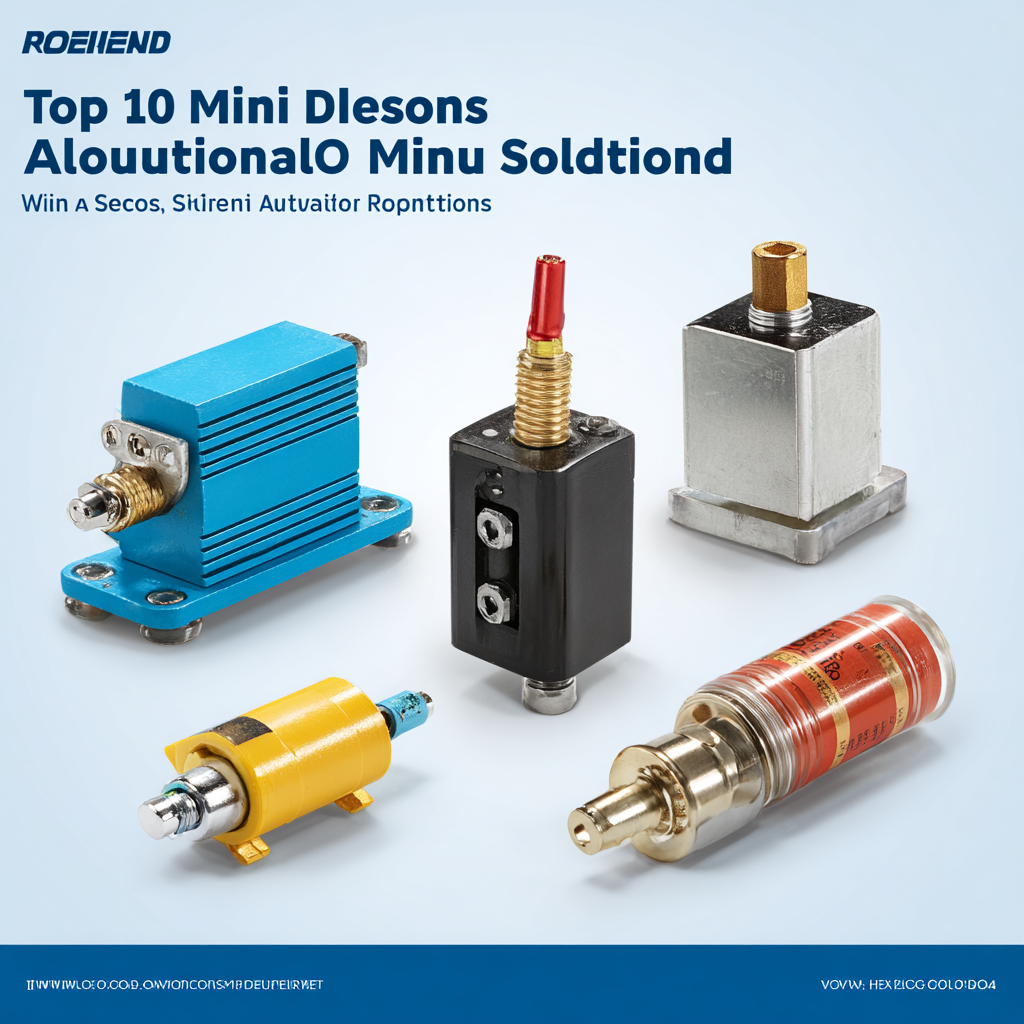
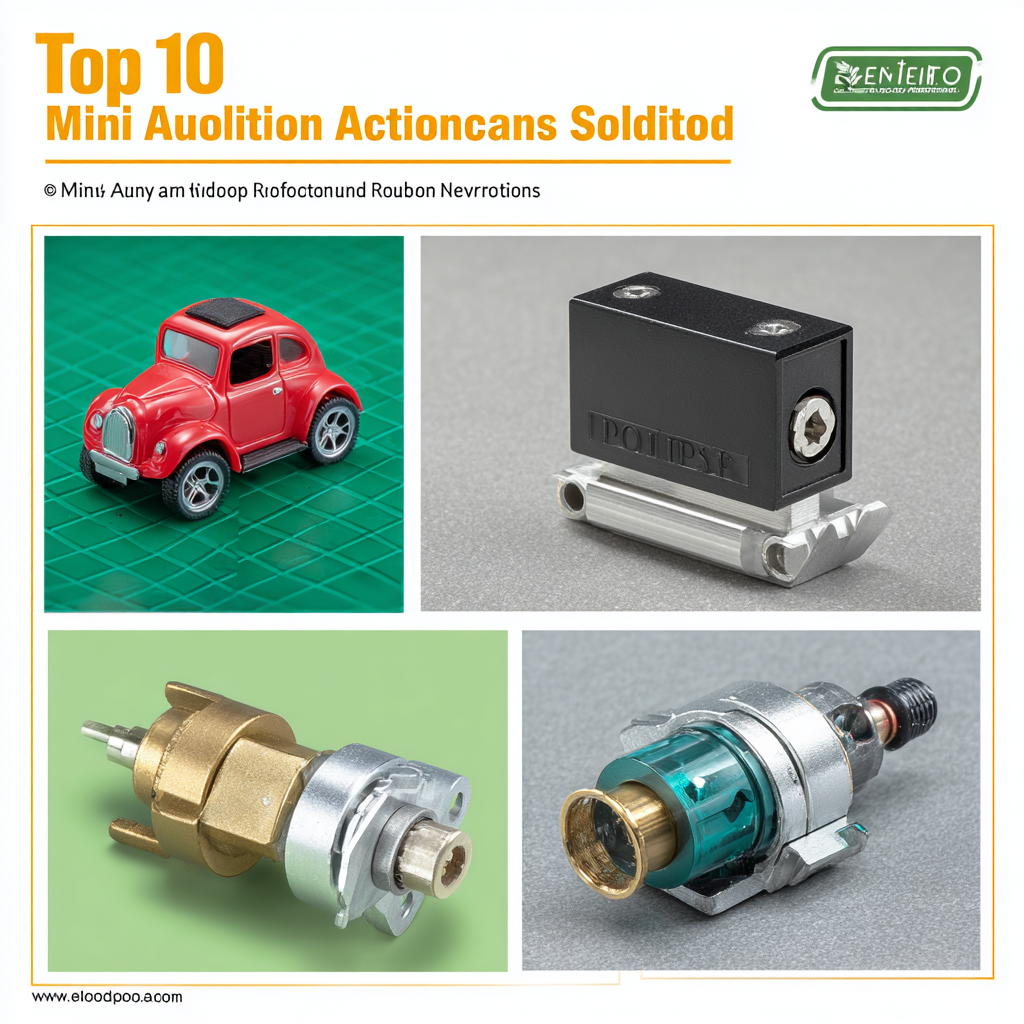
Top 10 Mini Solenoid Applications in Automation and Robotics You Need to Know

I also read an interview with Dr. Emily Turner from Solenoid Innovations — she was saying how versatile these tiny devices are. She mentioned, “Mini Solenoids are quickly becoming the backbone of compact automation systems, providing levels of precision and performance that old-school actuators just can’t match.” What’s cool is that they’re lightweight and save energy, making them perfect for all sorts of things — whether it’s robotic arms or medical gadgets. They really help improve what these devices can do, all while saving space.

As more industries jump on the automation bandwagon, it’s super important for engineers and developers to get a handle on how Mini Solenoids are used. In this article, I’ll walk you through the top ten ways these little guys are making a big impact — shaping the future of robotics and automation, no doubt about it.

Mini Solenoids: Essential Components for Modern Automation

Mini solenoids have become essential components in modern automation and robotics, driving efficiency and innovation across various applications. These compact devices, like the customizable mini holding solenoid electromagnet, provide significant force in a small footprint, making them ideal for automation systems where space is at a premium. Their versatility allows for integration into processes such as compact linear actuators, enabling precise movement and control in manufacturing and assembly lines.

At Dongguan Asite Technology Co., Ltd., we understand the critical role that mini solenoids play in enhancing automation solutions. Our extensive product range, which includes various types of solenoids such as tubular and push-pull options, as well as customized designs, supports applications from industrial automation to smart devices. Innovations like 3D-printed bowl feeders showcase how mini solenoids can improve the efficiency of feeding tiny parts, further underscoring their importance in modern automation environments where precision and reliability are paramount.

Streamlining Actuation: The Role of Mini Solenoids in Robotics

Mini solenoids play a crucial role in streamlining actuation within robotics, revolutionizing how various systems operate with precision and efficiency. These compact electromagnetic devices are essential for creating precise movements in robotic arms, automated doors, and a multitude of other mechanisms. Their ability to convert electrical energy into linear motion enables faster and more reliable control over mechanical operations, making them indispensable in modern automation.

In the context of advanced systems like the Flake Concept, the integration of mini solenoids exemplifies the shift towards utilizing simple yet effective components for complex functions. This approach not only enhances responsiveness but also reduces the overall weight and complexity of the system. By focusing on such technologies, engineers can achieve higher degrees of aerodynamics and operational efficiency, ultimately pushing the boundaries of what is possible in both robotics and automotive design.

Top 10 Mini Solenoid Applications in Automation and Robotics

Application Description Advantages Common Use Cases
Automated Valves Mini solenoids control valve operations for fluid flow in automated systems. Compact size, fast response time, energy efficient. Industrial automation, process control.
Pinball Machines Used to actuate flippers and other components in pinball machines. Durable, reliable, and capable of rapid actuation. Gaming industry, entertainment.
Robotic Grippers Actuate grip mechanisms in robotic arms. Precise control, lightweight, small footprint. Manufacturing, assembly lines.
Door Locks Control electronic locking mechanisms for security. Quick unlocking, enhanced security features. Smart homes, security systems.
Camera Shutters Control the opening and closing of camera shutters. Fast operation, high precision. Photography, videography.
Dispensing Systems Used in automatic dispensing of liquids and powders. Efficient and precise, minimizes waste. Food and beverage, pharmaceuticals.
Automation Controls Actuate devices in automated control systems. Instant response, reliability under varying conditions. Industrial automation, building management.
Medical Devices Mini solenoids are utilized in various medical equipment. High reliability, safety features. Surgical instruments, diagnostic machines.
Robotic Vehicles Used in actuation systems for autonomous vehicles. Lightweight, efficient operation. Agriculture, logistics, and transportation.

Versatile Applications of Mini Solenoids in Industrial Automation

Mini solenoids are increasingly becoming integral components in industrial automation, offering a compact solution for various tasks. Their versatility makes them suitable for applications ranging from material handling systems to packaging machinery. In automation processes, mini solenoids can act as precise actuators, enabling the seamless operation of conveyor belts, gates, and other mechanical systems. Their ability to deliver reliable performance in confined spaces allows engineers to design more efficient machines without sacrificing functionality.

In robotics, mini solenoids are employed to enhance the agility and responsiveness of robotic systems. They can be used for gripping mechanisms, allowing robots to securely hold and manipulate items with precision. Additionally, mini solenoids contribute to enabling various feedback systems, such as sensors for object detection and positioning. Their rapid activation and deactivation capabilities make mini solenoids an ideal choice for applications that require quick response times, ultimately enhancing the overall efficiency of automation and robotic operations.

Top 10 Mini Solenoid Applications in Automation and Robotics You Need to Know

Enhancing Precision: Mini Solenoids in Automated Control Systems

Mini solenoids are gaining traction in automation and robotics due to their ability to enhance precision and control in various applications. According to a report by MarketsandMarkets, the global automation market is expected to reach $214.5 billion by 2027, with mini solenoids playing a pivotal role in this growth. These compact actuators provide reliable, quick response times and precise linear motion, making them ideal for tasks such as opening and closing valves, controlling gates, or driving mechanical systems in robotic assemblies.

Top 10 Mini Solenoid Applications in Automation and Robotics You Need to Know

In automated control systems, mini solenoids contribute significantly to the accuracy of operations. Their small size allows for integration into tight spaces, enabling engineers to design more compact and efficient systems. For instance, in pick-and-place applications, where precision and speed are paramount, mini solenoids can operate actuators that position components with millimeter accuracy. According to a study by Grand View Research, the increasing demand for advanced automation solutions is driving innovations in mini solenoid technology, ensuring that these components continue to meet the evolving needs of industries like manufacturing and logistics.

Cost-Effective Solutions: Why Mini Solenoids are Perfect for Automation

Mini solenoids have emerged as cost-effective solutions for various applications in automation and robotics. Their compact size allows for easy integration into tight spaces, making them an ideal choice for smaller devices and machinery. This versatility is essential in the fast-paced world of automation, where efficiency and space optimization are crucial. By leveraging mini solenoids, businesses can reduce production costs without compromising on performance or reliability.

In addition to their affordability, mini solenoids offer excellent energy efficiency, which is vital for long-term operational sustainability. They consume less power while delivering the same level of performance as larger solenoids, ultimately contributing to lower energy bills and reduced carbon footprints. This balance between cost and effectiveness makes mini solenoids a preferred option for manufacturers looking to enhance their automation systems while maintaining budgetary constraints. As industries continue to evolve, the adoption of mini solenoids will likely expand, reaffirming their position as indispensable components in modern robotics and automation solutions.

Future Trends: Innovations in Mini Solenoid Technology for Robotics

The mini solenoid market has been witnessing significant innovations that are redefining automation and robotics. According to a report from MarketsandMarkets, the solenoid market is projected to reach USD 4.6 billion by 2025, growing at a CAGR of 5.7%. This growth is driven by advancements in miniaturization technologies, allowing for solenoids to be constructed smaller while enhancing their efficiency and performance. These innovations are vital for modern robotics, where space and weight constraints are critical. Mini solenoids are increasingly being integrated into applications such as robotic arms, automated assembly lines, and smart home devices, making them essential for the next generation of robotics.

Future trends in mini solenoid technology prominently feature the development of smart solenoids equipped with IoT capabilities. A report from Allied Market Research predicts that the smart solenoid market will reach USD 1 billion by 2027, highlighting the growing relevance of connectivity and automation in solenoids. These smart solenoids will enable real-time monitoring and control, facilitating enhanced performance in robotic systems. Additionally, the move towards greener technologies is pushing manufacturers to innovate solenoid designs that reduce energy consumption, aligning with global sustainability goals. As the robotics landscape evolves, these advancements in mini solenoid technology will play a pivotal role in shaping efficient, responsive, and intelligent robotic systems.

FAQS

: What are mini solenoids and their role in robotics?

: Mini solenoids are compact electromagnetic devices that convert electrical energy into linear motion, enabling precise movements in various robotic applications, such as robotic arms and automated doors.

How do mini solenoids enhance system efficiency?

They streamline actuation, allowing for faster and more reliable control over mechanical operations, reducing overall weight and complexity of robotic systems.

What impact do mini solenoids have on automated control systems?

Mini solenoids improve the precision and accuracy of operations in automated systems, facilitating tasks like opening valves and controlling gates with quick response times.

Why are mini solenoids considered cost-effective solutions in automation?

Their compact size allows for integration into tight spaces, which helps reduce production costs without compromising on performance or reliability.

How do mini solenoids contribute to energy efficiency?

They consume less power than larger solenoids while delivering similar performance levels, leading to lower energy bills and reduced carbon footprints.

What future trends are associated with mini solenoids in the automation market?

The increasing demand for advanced automation solutions is expected to drive innovations in mini solenoid technology, expanding their adoption across various industries like manufacturing and logistics.

In what types of applications are mini solenoids particularly useful?

Mini solenoids are ideal for applications requiring precision and speed, such as pick-and-place operations, where positioning components with millimeter accuracy is essential.

How do mini solenoids support the goals of modern engineering?

By enhancing responsiveness and operational efficiency, mini solenoids allow engineers to design more aerodynamic and effective robotic and automotive systems.

Conclusion

Mini solenoids are vital components in the realm of automation and robotics, offering compact solutions for actuation in various applications. Their versatility is highlighted across industrial automation, where they streamline processes and enhance precision in automated control systems. Companies like Dongguan Asite Technology Co., Ltd. demonstrate the significance of mini solenoids by providing a diverse product range, including open frame and push-pull solenoids, tailored to meet specific customer needs.

Moreover, the cost-effectiveness of mini solenoids makes them an attractive option for businesses looking to optimize their automation systems without compromising quality. As the industry evolves, emerging trends in mini solenoid technology promise innovative advancements, further solidifying their role in robotics and automation. Embracing these advancements will be essential for companies aiming to stay competitive in the automated landscape.
Sophia

Sophia

Sophia is a dedicated marketing professional at Dongguan Yasi Technology Co., Ltd., where she leverages her extensive expertise in the technology sector to drive business growth and enhance brand visibility. With a deep understanding of the company’s core products and services, Sophia plays a......
Previous Global Solenoid Market Trends and Predictions for 2025