Leave Your Message
-
Phone
-
E-mail
-
Whatsapp
-
Whatsapp

In today’s tech world, the Push Pull Solenoid is honestly a pretty important part — it’s what helps turn electrical signals into actual mechanical movement. At Dongguan Asite Technology Co., Ltd., we totally get how versatile and vital this tiny device can be, whether it’s used in smart door locks, car systems, or a bunch of other applications. We don’t just stop at Push Pull Solenoids either — our product lineup includes open frame, tubular, holding, latching, and rotary solenoids, as well as car lights and solenoid valves with all sorts of functions. As technology keeps moving forward, so does the need for innovative solutions tailored to specific needs. That’s why we’re proud to offer custom-designed products that go beyond standard specs — helping us stay ahead of the game when it comes to solenoid tech and its wide range of uses in today’s fast-paced environment.
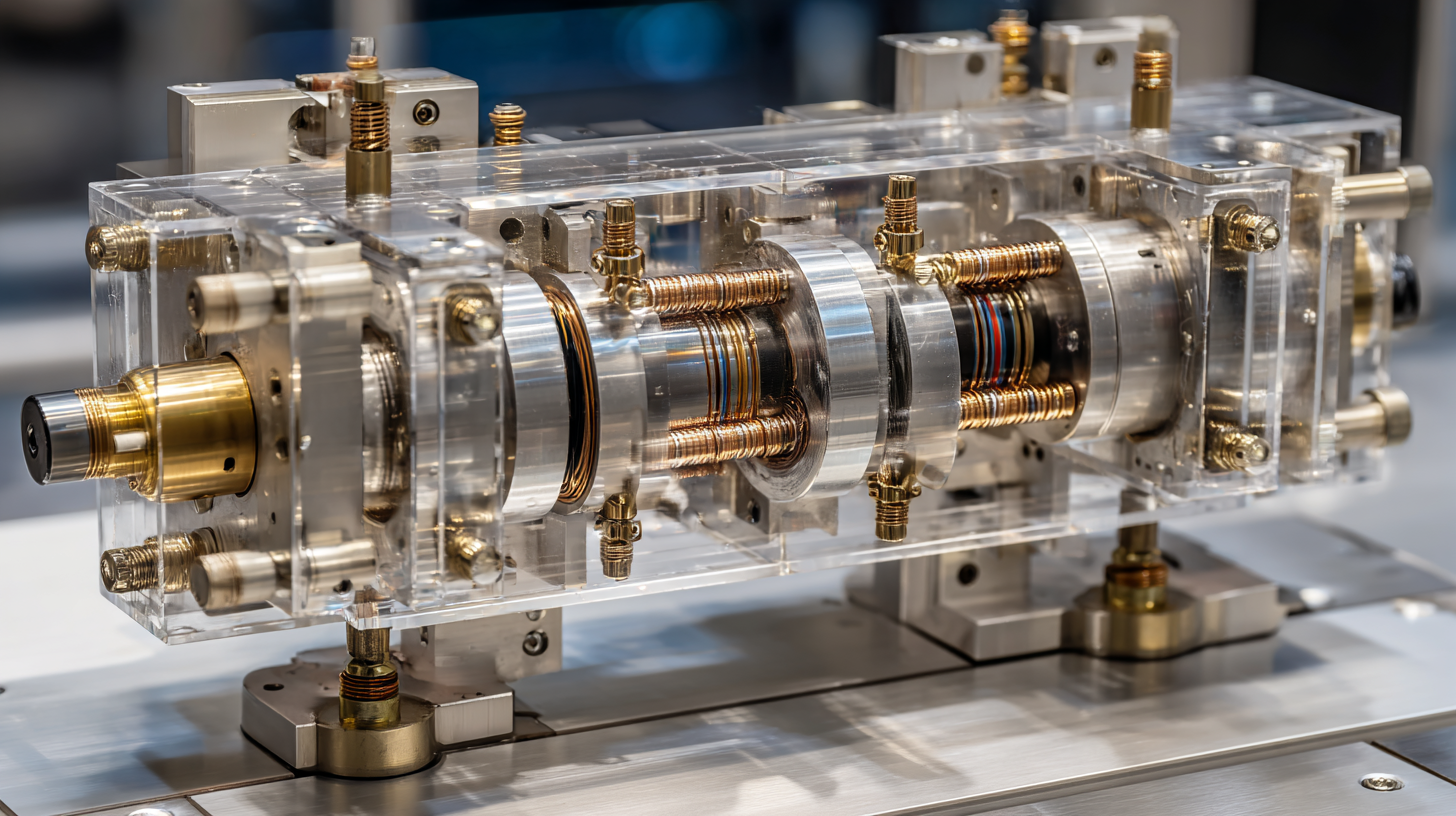
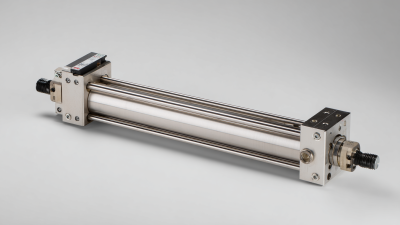
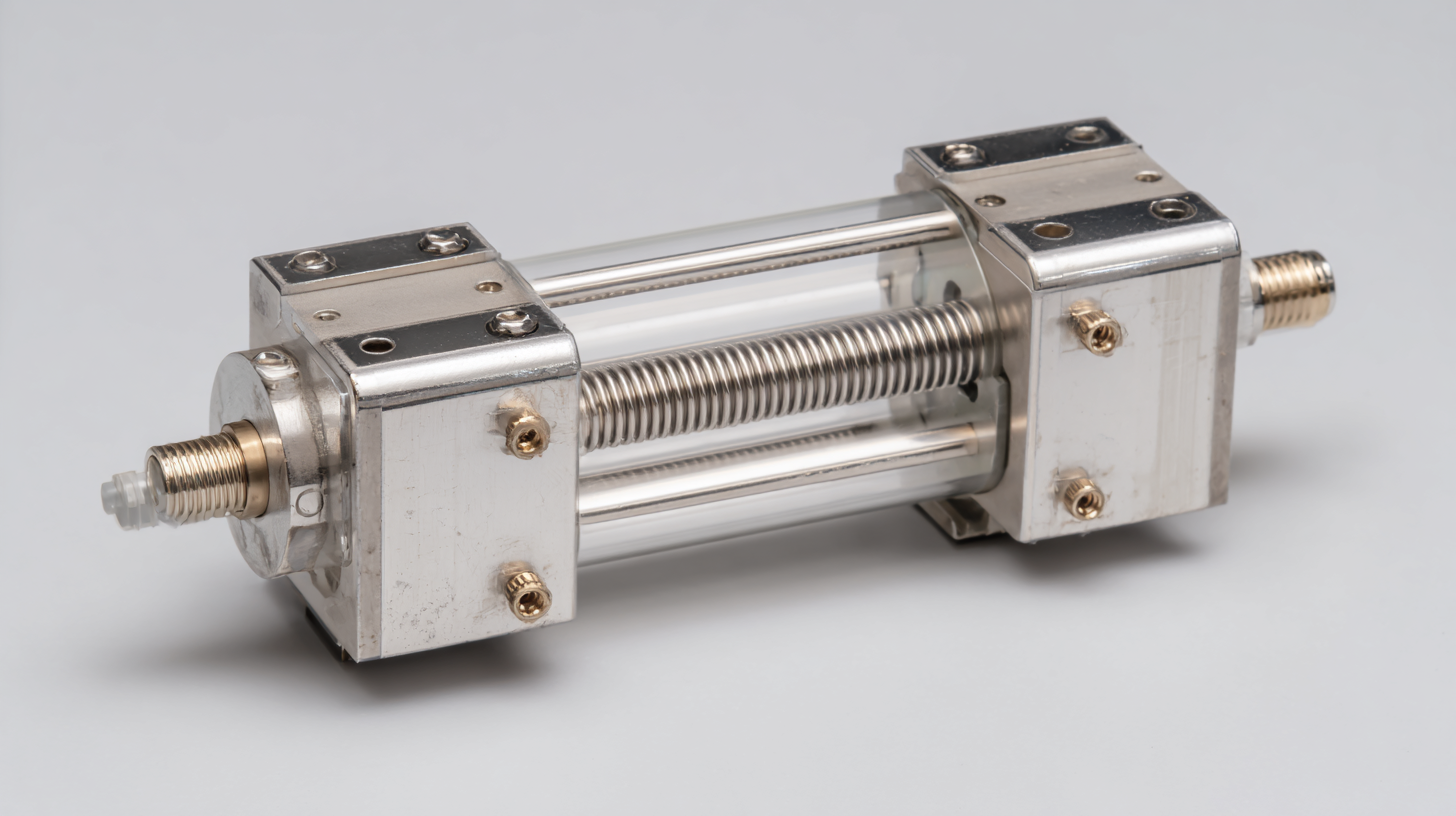 Push pull solenoids are pretty fascinating little devices—they're electromagnetic components that turn electrical energy into straight-line movement. You’ll find them everywhere these days, from your car’s locks to vending machines.
Basically, there are two main types: the push-type and the pull-type. The push ones are designed to extend or push things away when they get powered up, while the pull types do the opposite—they retract or pull objects toward them. Each one is suited for different jobs, depending on how they need to interact with other parts.
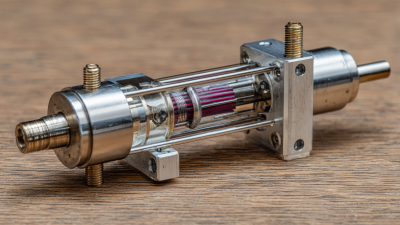
So, how do they work? Well, they’ve got a coil of wire wrapped around a core that can move back and forth. When electricity flows through the coil, it creates a magnetic field. That field then pushes or pulls the core, depending on the design.
Things like the coil’s resistance and how much power you give it can really affect how well it works. You see these solenoids being used in all sorts of places—like in car locks and motors, in consumer gadgets such as printers or automatic doors, and even in industrial automation where precise movement is crucial for machinery to do its thing.
It’s pretty cool how such a simple idea makes so many modern devices tick, huh?
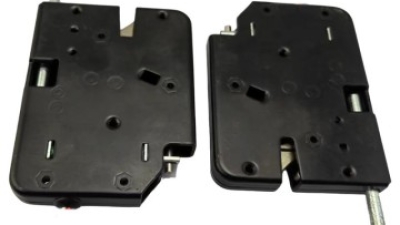
The AS 8976 DC 12V Electric Cabinet Solenoid Lock represents a groundbreaking innovation in access control solutions. Designed specifically for interior applications, this lock eliminates the need for keys, using a sophisticated electronic mechanism instead. Utilizing the principle of electromagnetism, the solenoid lock generates a magnetic field when powered, allowing the steel armature to disengage and unlock the mechanism. This design not only simplifies access but also enhances security by removing traditional vulnerabilities associated with keyed locks.
With dimensions of 89 * 76 * 17 mm, the solenoid lock is compact yet robust, crafted from high-quality carbon steel and finished with zinc electroplated electrophoretic paint for added durability. It can withstand a remarkable 150kg of traction, ensuring reliable performance under various conditions. The lock's lifespan exceeds 1,000,000 cycles, making it an excellent investment for commercial and public spaces where frequent use is required. Moreover, its design allows for easy installation without orientation limits, facilitating a seamless integration into any existing setups.
Industry reports forecast an exponential growth in the electronic lock market, particularly as businesses increasingly prioritize security measures. The AS 8976 lock addresses these needs effectively, offering an intelligent solution that enhances both accessibility and protection. As security technologies evolve, implementing systems like the solenoid lock will be crucial for safeguarding assets and providing peace of mind.
: Push pull solenoids are electromagnetic devices that convert electrical energy into linear motion, functioning primarily in two types: push-type solenoids that extend objects and pull-type solenoids that retract objects.
They work by passing an electric current through a coil of wire wound around a movable core, generating a magnetic field that drives the core in either a pushing or pulling direction.
The efficiency is influenced by the coil’s resistance and the power supply used.
They are used in locking mechanisms for devices like smartphones and laptops, as well as in printers for controlling paper feed and ejection, and in remote-controlled toys.
Future advancements will likely focus on lightweight materials, compact designs, enhanced performance, and integration with digital technologies, leading to smarter, more efficient solenoids.
IoT is allowing solenoids to be integrated into smart devices for remote control and automated tasks, fostering more interactive systems in home automation and industrial applications.
Their swift response times, reliability, and compact size make them suitable for efficient operation and integration in a wide range of modern appliances.
Yes, their compact size and straightforward design make them suitable for integration into wearable devices, enhancing user interaction and functionality.
Innovations in materials will allow for more efficient, lightweight, and compact solenoids that can be used in space-constrained applications.
They provide secure and convenient locking solutions, responsive movements in toys, and enhanced efficiency in appliances, offering users seamless interaction with their devices.
So, I came across this article called "Understanding the Functionality and Applications of Push Pull Solenoids in Modern Technology," and honestly, it does a pretty good job of explaining just how important these little devices are across different industries. It kicks off by breaking down the various types of Push Pull Solenoids and how they actually work — which is pretty fascinating, especially when you think about how versatile they are, from everyday gadgets to big industrial machines. The part about common uses really hits home, showing how they're key components in things like smart door locks and car systems. Plus, the article points out that they're known for being efficient and reliable — no surprises there.
Of course, it doesn’t shy away from mentioning some of the hurdles these solenoids face, especially with tech changing so fast. But what’s pretty exciting is the look into future trends — it seems like new innovations are on the horizon, which will make these devices even better at what they do. And I have to mention, Dongguan Asite Technology Co., Ltd. is a great example of companies pushing forward with new solutions — they offer all sorts of customized solenoids tailored to meet today’s needs in tech. All in all, it gives a solid sense that these little guys are only going to get more important as things keep evolving.