Leave Your Message
-
Phone
-
E-mail
-
Whatsapp
-
Whatsapp

When you think about modern electrical systems these days, you can't really overlook how important Contactor Solenoids are. They're tiny but mighty components that play a huge role in controlling those high-power devices we rely on, making sure everything runs smoothly and reliably. Recent industry reports show that the global solenoid market is expected to hit over USD 6 billion by 2026. The main driver? The surge in automation and the need for smarter, more efficient electronic solutions. At Dongguan Asite Technology Co., Ltd., we totally get this trend. That’s why we offer a wide range of products—not just top-notch Contactor Solenoids, but also open frame, tubular, push-pull, holding, latching, and rotary types too. Plus, we’re all about innovation, so we can customize products to fit what our clients really need. As technology keeps advancing, the role of Contactor Solenoids in improving the performance and efficiency of electrical systems becomes more and more critical — and we're excited to be part of that journey.
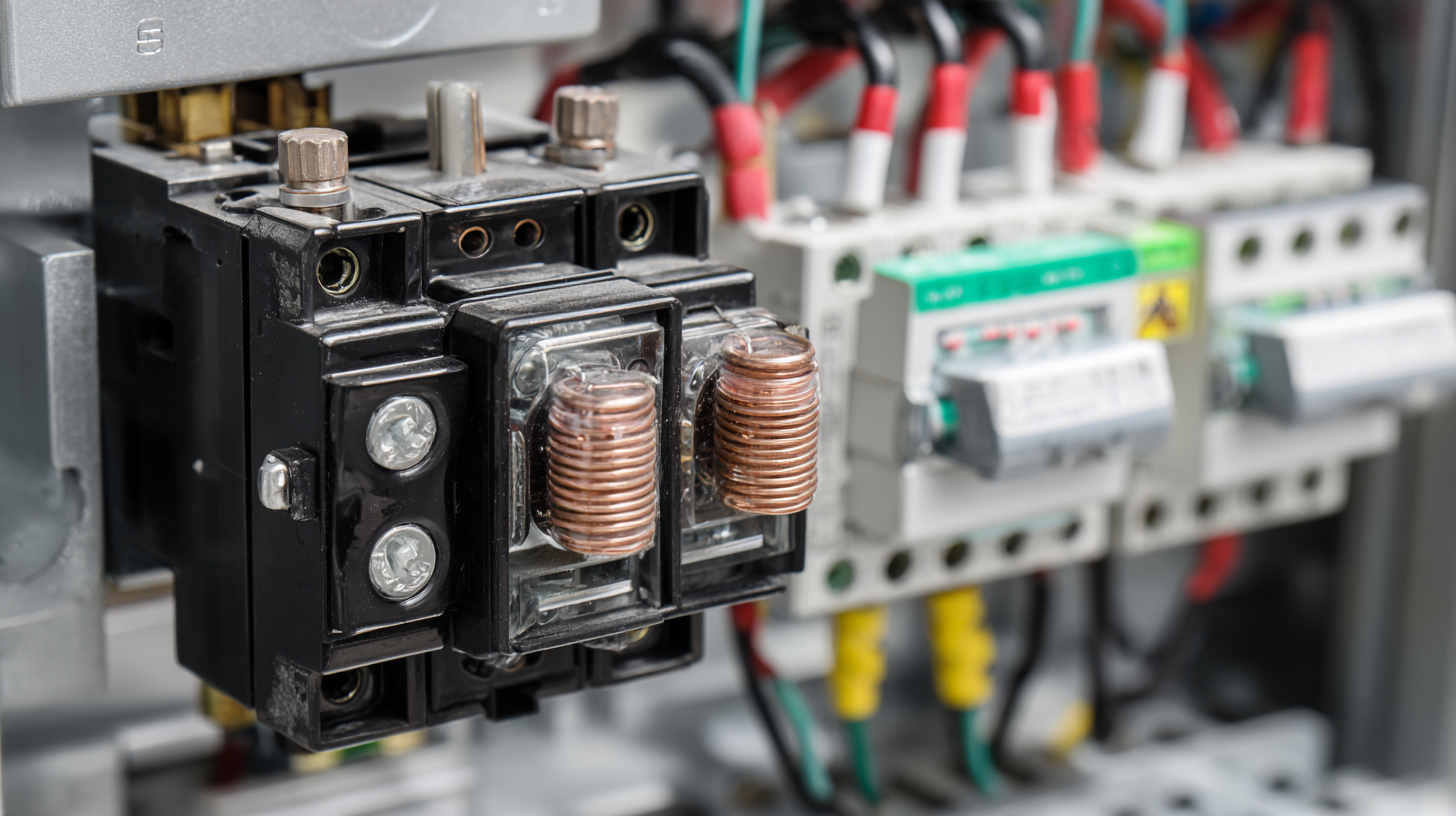
Contactor solenoids are pretty important when it comes to modern electrical setups. Basically, they act as electromechanical switches that help control high-power circuits—think of them as the on-off switches for bigger loads. At their core, a contactor solenoid is made up of a coil and a movable armature. When you send current through the coil, it creates a magnetic field that pulls the armature, closing the contacts and letting electricity flow to whatever you're controlling. This might sound technical, but it’s crucial for things like motor control, lighting systems, and HVAC setups.
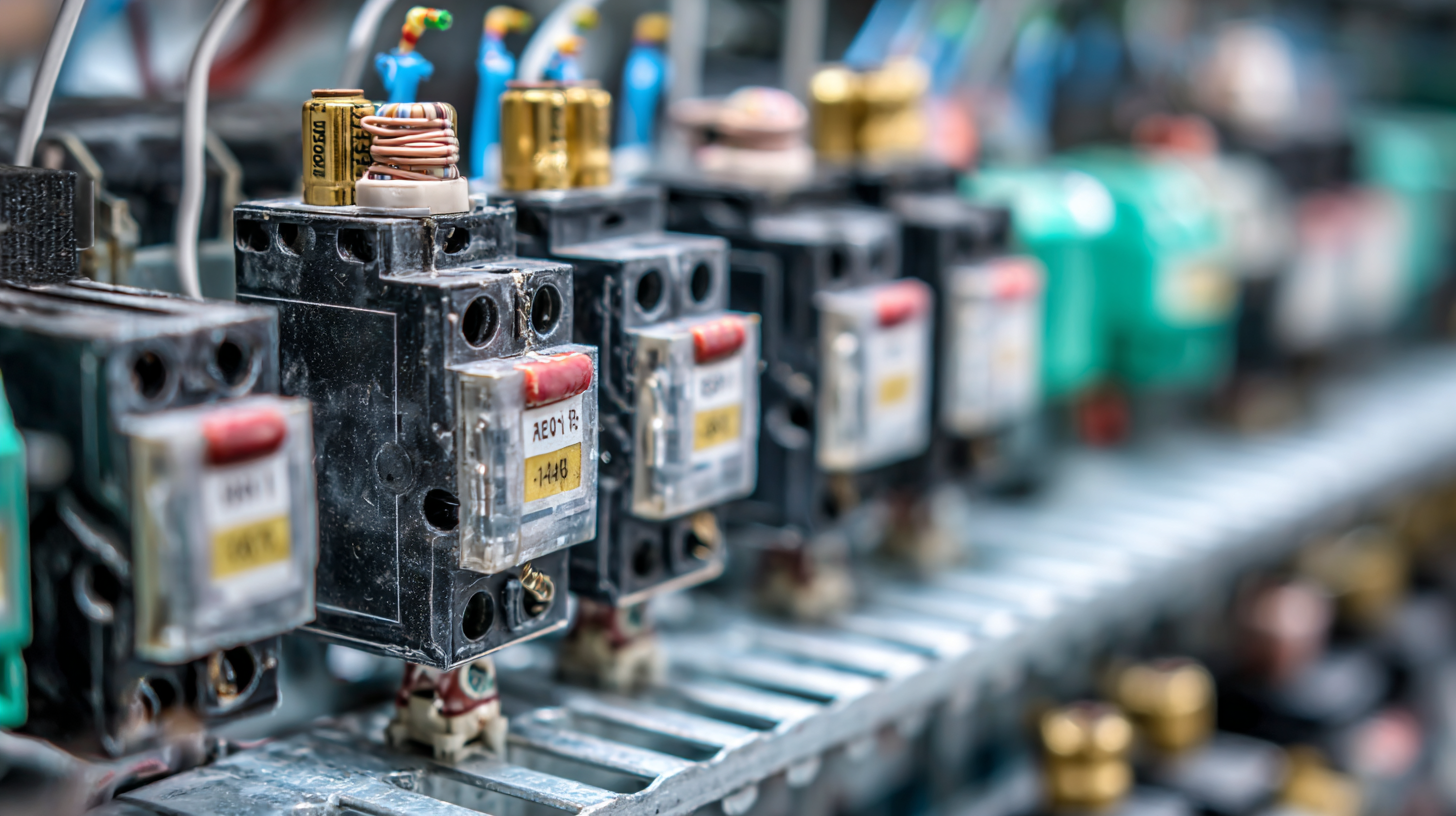
Now, I came across a market report from Mordor Intelligence in 2021, and they’re saying that the global market for industrial contactors is expected to grow at about 5.34% annually. That’s pretty significant and points to how demand for reliable, efficient electrical control solutions is only going up. It makes sense, right? With more industries moving toward automation, contactor solenoids are really the backbone of controlling circuits in all kinds of machinery.
Plus, with new materials and smarter designs coming out, these devices are not just more durable but also perform better, helping keep systems running smoothly and safely, even in complex setups.
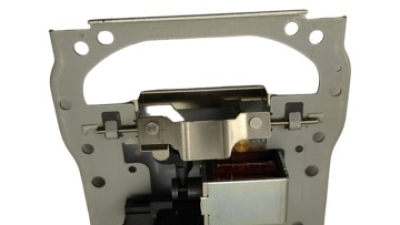
The automotive headlight system plays a crucial role in ensuring safe driving conditions, especially during nighttime or inclement weather. Central to this system is the AS 0521 DC 12V solenoid, which facilitates efficient switching between high and low beams. This solenoid is vital for controlling the illumination dynamics of car headlights, which range from traditional halogen lamps to modern LED systems. By efficiently managing the light output, the AS 0521 solenoid enhances visibility and safety on the road.
Constructed with high-quality materials, the AS 0521 solenoid can withstand extreme temperatures exceeding 200 degrees Celsius, ensuring reliable performance in various automotive applications. Its compact dimensions of 74 mm by 27 mm make it easy to install, while the durable housing provides resistance to corrosion, contributing to a longer lifespan. Equipped with convenient mounting screw holes, the installation process is straightforward, allowing car enthusiasts to customize and enhance their vehicle's lighting with ease. The dominance of this solenoid in the automotive lighting industry underscores its importance in both aesthetics and functionality, making it an indispensable component in modern headlight systems.
: A contactor solenoid is an electromechanical switch designed to control high power circuits, consisting of a coil and a movable armature that operates when electrical current is applied.
When electrical current flows through the coil of a contactor solenoid, it generates a magnetic field that attracts the armature, closing the contacts and allowing current to pass through the load.
Contactor solenoids are used in various applications, including electric vehicles, industrial automation, HVAC systems, and renewable energy installations.
The demand for contactor solenoids is increasing due to the rising need for automation in industrial processes and the growing field of electric vehicles, both of which require reliable electrical control solutions.
The global industrial contactor market is projected to grow at a compound annual growth rate (CAGR) of 5.34% according to a 2021 market research report.
Advancements in materials and design have enhanced the performance and durability of contactor solenoids, making them essential for operational efficiency and safety in electrical systems.
In electric vehicles, contactor solenoids control high-voltage circuits and manage electrical flow, contributing to the safe and efficient operation of various electrical components.
Yes, contactor solenoids are designed to handle large currents and provide reliable switching under demanding conditions, making them indispensable in various electrical environments.
Contactor solenoids enhance operational safety by reliably controlling the flow of electricity in complex electrical systems, thus preventing failures and accidents.
Yes, as electrical systems evolve, the versatility and adaptability of contactor solenoids will likely increase their relevance in ensuring safe and efficient electrical operations across multiple sectors.
Contactor solenoids are pretty important in today's electrical setups. They basically help control high-power circuits smoothly and efficiently. These devices work by using electromagnetic principles—they open or close contacts, which keeps things running reliably and at a good pace. You’ll see them in all sorts of places—whether it's in industrial automation or even in your home wiring—making sure electricity flows just right.
But here’s the thing: taking care of these solenoids is key. Regular maintenance and troubleshooting can prevent common problems like coil failures or contacts wearing out, and that way, they last longer. At Dongguan Asite Technology Co., Ltd., we’re all about offering a wide range of solenoid products, including custom solutions. Our goal is to make sure you get exactly what you need to keep your contactor systems working perfectly.
So, whether you’re dealing with a big industrial setup or a smaller residential system, proper care and choosing the right solenoids can really make a difference.

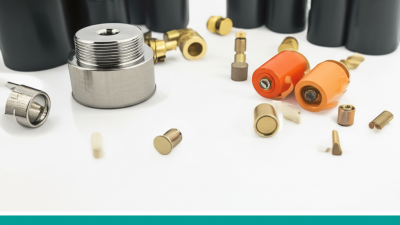

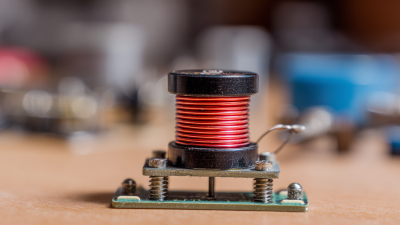



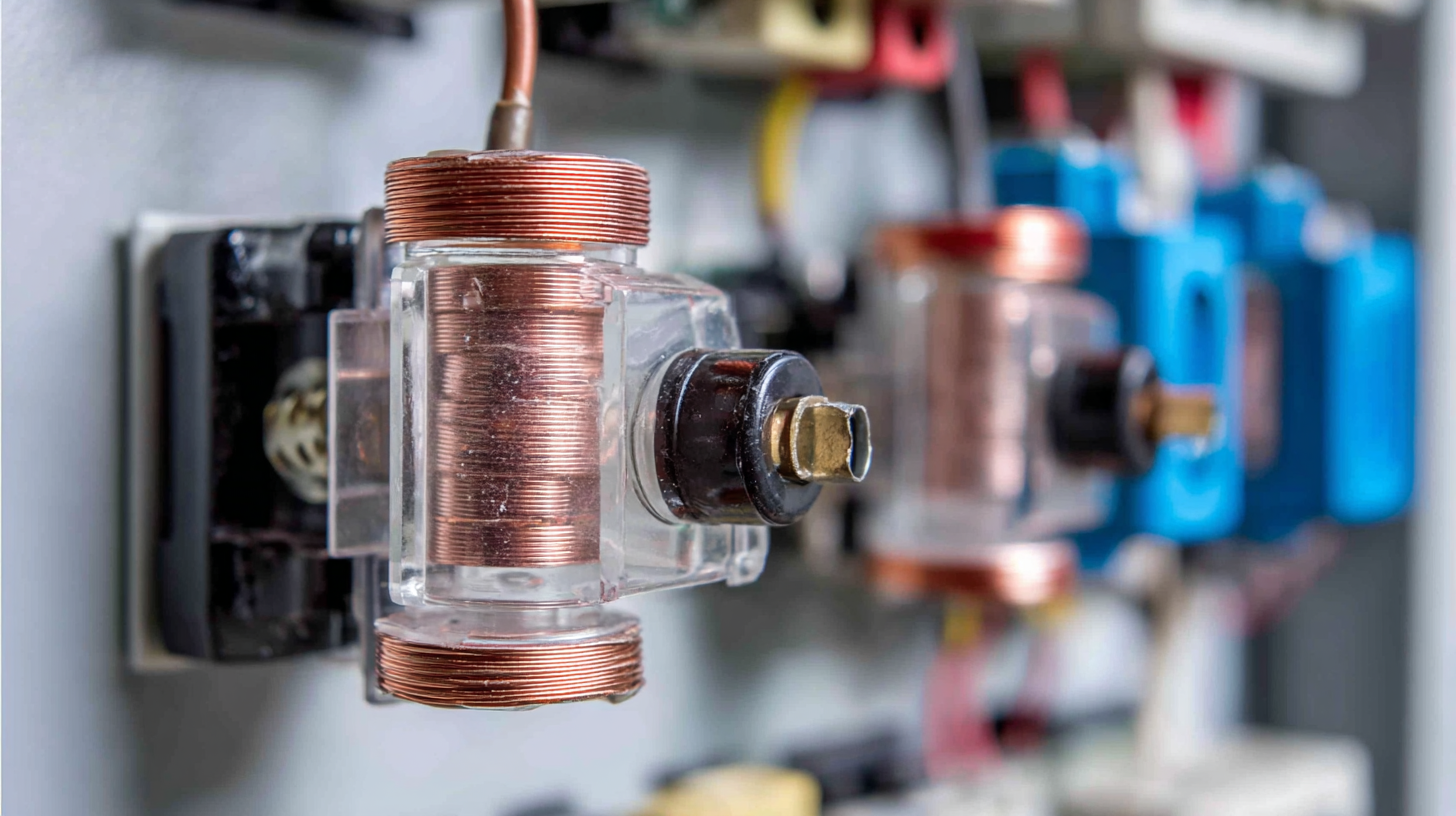 Contactor solenoids are pretty essential when it comes to controlling electrical loads in modern systems. But, like anything, they can run into issues that mess up their performance. One of the most common problems? Overheating. This usually happens after the solenoid has been stuck handling too much electrical load for too long. You know, according to the National Electrical Manufacturers Association, around a quarter of electrical failures happen because of overheating — so it’s really something to watch out for. Making sure your solenoids are rated appropriately for the load they’re handling can go a long way in preventing burnout.