You know, in today’s fast-changing industrial world, picking the right solenoid valves is super important if you want to keep everything running smoothly and efficiently. Here at Dongguan Asite Technology Co., Ltd., we’ve got a pretty extensive lineup—not just solenoid valves but also a bunch of other cool stuff like open frame and tubular solenoids, push-pull mechanisms, smart door locks, and even car lights. What really sets us apart is our knack for going beyond the usual specs; we love creating customized and freshly designed solutions that fit all sorts of unique operational needs. In this blog, we’re going to take a closer look at what you should consider when comparing different types of solenoid valves. This way, you’ll be well-equipped to make smart choices that can really boost productivity and reliability in your industry.
Understanding Solenoid Valves and Their Applications in Various Industries
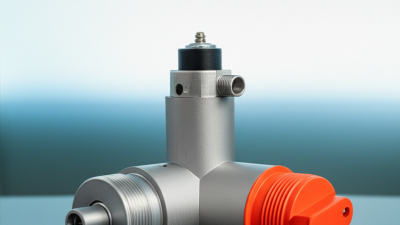
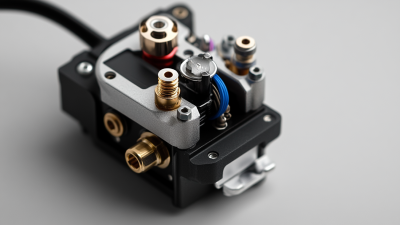
You know, solenoid valves are pretty much the unsung heroes in so many industries when it comes to controlling fluid flow. Seriously, they’re a key part of modern automation and control systems. If you want to choose the right valve for your needs, it’s super important to understand how these little guys work. At their heart, solenoid valves use an electromagnetic coil to turn electrical energy into mechanical movement, which lets them open and close the valve. This is what gives them the ability to control liquids and gases with such precision, and that’s why you’ll find them everywhere—from manufacturing plants to cars and even HVAC systems.
When you think about where solenoid valves are used, it’s actually quite fascinating. In manufacturing, for example, they control the flow of air and liquid in various pneumatic systems and hydraulic machines, which really boosts efficiency and keeps things safe.
Meanwhile, the automotive world counts on solenoid valves for things like fuel injection systems and brakes, where you definitely want reliability. And in HVAC setups, these valves play a crucial role in managing climate control by adjusting the flow of refrigerants. So, knowing what your industry specifically needs is key to picking the right solenoid valve. That way, you can make sure everything runs smoothly and lasts a long time in your operations.
Key Factors to Consider When Selecting Solenoid Valves for Your Needs
Choosing the right solenoid valves for your industry isn't just a matter of picking the first one you see; it’s really important to grasp some key factors to ensure everything runs smoothly. For starters, consider what the valve will actually be doing and what kind of medium it’s going to control. I came across this report from the Global Solenoid Valve Market, and it mentioned that in sectors like oil and gas, the demand for these valves is expected to jump by about 5.8% each year until 2025. That's largely thanks to the growing push for automation and better efficiency in managing fluid flow—definitely something worth diving into when looking at valve specs.
Another thing to think about is the environment where the solenoid valve will be used. The same report pointed out that valves that can handle tough conditions, like extreme heat or corrosive substances, are really going to be in demand. For example, valves made from stainless steel or brass are popular for challenging situations where you need durability and corrosion resistance. So, if industries keep these factors in mind, they can find solenoid valves that not only fit their specific operational needs but also stand the test of time in various conditions.
Evaluating Quality: What Makes a Manufacturer Stand Out in China
So, when you're choosing solenoid valves for industrial stuff,
the manufacturer you go with really matters if you want something that’s reliable and performs like a champ. Take this one manufacturer from China, for example. They're not just throwing around competitive prices; they really put a spotlight on awesome quality control and the right certifications. This stuff is key because it means their products are up to international standards and can handle whatever tough situations the industrial world throws at them. You’ll find that companies with a great reputation for quality usually care a lot about using top-notch materials and have some pretty advanced manufacturing techniques. Trust me, this makes a big difference in how long their solenoid valves last and how well they work.
On top of that, these great manufacturers are always looking to innovate. They invest in research and development, which is pretty cool because it leads to better product features and efficiency. Plus, it means they can whip up custom solutions that fit what their customers need. And let’s not forget about customer support. Having easy access to help and technical assistance can really set a manufacturer apart in a crowded Chinese market. When they understand the product nuances and can troubleshoot any issues, it builds trust and helps create lasting partnerships with clients.
Comparative Analysis of Different Types of Solenoid Valves
So, when you're trying to pick the best solenoid valves to get top-notch performance across different industries, doing a bit of a comparison is super important. These valves come in all sorts of shapes and sizes—like normally closed, normally open, and three-way valves—each one tailored for specific jobs. It’s interesting to note that industry reports are predicting the global solenoid valve market could hit $4.5 billion by 2025. That really shows how much these valves are in demand, especially in fields like automotive, HVAC, and manufacturing. Knowing the ins and outs of these valve types can really boost efficiency and reliability.
Here at Dongguan Asite Technology Co., Ltd, we’ve got a whole lineup of solenoid products. We offer everything from open frame and tubular solenoids to rotary ones. For example, tubular solenoids are great for tight spaces since they're pretty compact, while latching solenoids are the go-to if you want something that won't guzzle power over time. Some recent studies even suggest that if you optimize solenoid designs properly, you can bump up operational efficiency by as much as 25%! That’s why it's so crucial to choose the right type of valve based on what you actually need in your operation. We’re all about customized solutions, making sure we can meet the unique demands you might have, and we love pushing the envelope for innovation and top performance.
Comparative Analysis of Solenoid Valves Types
Maintenance Tips for Ensuring Optimal Performance of Solenoid Valves
You know, keeping solenoid valves in good shape is super important if you want everything to run smoothly in any industrial setting. When you take the time for regular maintenance, it not only boosts the reliability of these parts but can actually help them last longer too! Some reports even suggest that doing proactive maintenance can cut downtime by about 10 to 20%. So, yeah, having a solid maintenance routine is key.
A handy tip? Be sure to check for leaks and wear every now and then. Setting up a quarterly inspection schedule can help catch any issues early on, saving you from bigger problems down the line. Plus, keeping an eye on the power supply is essential. If the power's a bit shaky, it could lead to malfunctions or even cause your components to fail before their time.
And hey, one more thing—make sure those solenoid valves are nice and clean! Any dirt or debris can gum things up and mess with the flow rate. A recent industry survey found that contaminants are to blame for around 30% of solenoid valve failures. So, putting in the effort to clean them regularly and stick to a maintenance schedule can really amp up their performance and keep your operations running without a hitch.
Future Trends in Solenoid Valve Technology and Industry Standards
You know, the world of solenoid valve tech is really changing fast! We’re seeing some exciting trends where products are getting smarter and more integrated, especially thanks to breakthroughs in fields like automotive and industrial automation. Lately, it's all about moving from those old-school mechanical systems to these nifty, electronically controlled ones that really boost performance and efficiency. It kind of reminds me of how quickly things are evolving with smart chassis systems in cars. Nowadays, vehicles are turning into these sophisticated mobile platforms that can think on their feet and adapt to what’s going on around them.
As all of this tech rolls out, solenoid valves are stepping up as super important parts of automated systems. We're expecting to see features like real-time monitoring and predictive maintenance becoming the norm, which means greater reliability and overall efficiency. Plus, with IoT technology becoming part of the game, solenoid valves will not only allow for remote control and diagnostics but will also chat seamlessly with other smart systems. This relationship is helping to create a more cohesive approach to industrial automation and safety standards. It’s a lot for manufacturers to juggle, but really understanding and embracing these future trends is going to be crucial for getting the most out of solenoid valves across the board!
FAQS
: Key factors include the valve's application and the medium it will control, as well as the environmental conditions it will operate in, such as extreme temperatures or exposure to corrosive substances.
The demand for solenoid valves in the oil and gas industry is projected to grow by 5.8% annually through 2025, driven by increasing automation and efficiency needs.
Stainless steel and brass are favored for solenoid valves in demanding applications due to their durability and resistance to corrosion.
Regular maintenance enhances the reliability of solenoid valves and can extend their lifespan, potentially reducing downtime by 10-20%.
Periodic inspections for leaks and wear should be performed, ideally on a quarterly basis to catch issues early and prevent complications.
Fluctuations in power supply can lead to malfunctions and premature failure; ensuring a stable power supply is crucial for optimal functionality.
Contaminants can account for up to 30% of solenoid valve failures, making regular cleaning and maintenance essential for preventing blockages.
Regular cleaning should be part of the maintenance schedule, as keeping valves free of debris significantly enhances their efficiency and flow rate.
Investing time in maintenance can significantly improve valve performance, contributing to smoother operations and reduced risk of failures.
Adhering to maintenance schedules ensures that potential issues are addressed promptly, thereby enhancing the longevity and reliability of the valves.