Leave Your Message
-
Phone
-
E-mail
-
Whatsapp
-
Whatsapp

You know, when it comes to electromagnetic devices, Solenoid Magnets really steal the show because of how versatile and efficient they are. These amazing little components are used in a bunch of different industries – think everything from cars to smart home tech! Here at Dongguan Asite Technology Co., Ltd., we’re all about solenoid magnets. We carry a wide range, including open frame, tubular, push-pull, holding, latching, and even rotary solenoids. With our know-how and extensive lineup, we can help out businesses in all kinds of sectors, providing solutions that not only work great but also boost overall performance.
The potential of Solenoid Magnets is pretty incredible, and their benefits go way beyond just simple actuation. As we dig deeper into this topic, we’ll take a closer look at the many applications for solenoid technology and see how they fit into both current trends and future innovations. Plus, at Dongguan Asite, we take pride in crafting customized and brand new products that go above and beyond the standard specifications. So if any business out there is keen on harnessing the power of solenoid magnets, we’d love to partner up and make magic happen!

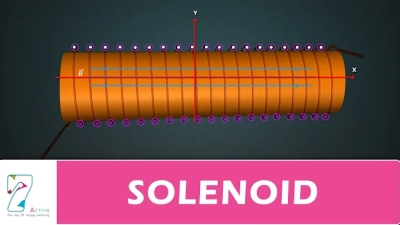
You know, solenoid magnets are pretty amazing little devices that basically turn electrical energy into movement. At the heart of it, a solenoid is just a coil of wire twisted into a cylinder. When you run an electric current through that coil, poof! It creates a magnetic field and turns the whole thing into a magnet. This whole idea comes from electromagnetism, and that’s what makes solenoids so handy in all sorts of things, like starting cars or even locking up doors.
Now, the way a solenoid magnet is designed really matters for how well it works. There are a bunch of factors to consider, such as how many times the wire is wound around, what the core is made of, and how much current is flowing through it. For example, if you use a ferromagnetic core, it can really amp up the magnetic field strength, making it way better for situations that need a strong pull. Plus, tweaking the solenoid's size and shape—like its length and diameter—can help it perform even better in specific tasks, making sure it runs smoothly in whatever environment it's in.
Getting a grip on these basic principles and design tweaks helps engineers and designers get the most out of solenoid magnets. By thinking carefully about what they need and the specs of the solenoid, they can customize the design to get top-notch performance. This kind of know-how not only makes solenoid magnets shine in standard uses but also opens up doors for some cool, new applications in upcoming tech.
This pie chart illustrates the various applications of solenoid magnets, highlighting their versatility in different industries.
You know, solenoid magnets are really gaining a lot of attention these days, especially because of how versatile and efficient they are in today’s tech. A standout place where you’ll find them is in automotive engineering. They play a pretty vital role in things like electronic locks, fuel injectors, and even the antilock braking systems in cars. Basically, they can convert electrical energy into linear motion super quickly and reliably, which is a game-changer for vehicle performance.
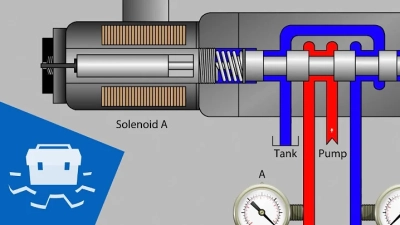
Now, if we take a look at industrial automation, these solenoid magnets are essential for managing machines and processes. You’ll often see them in conveyor systems since they help with the precise placement and sorting of parts. Plus, solenoid-operated valves are key players in regulating fluid flow in pipelines—talk about being indispensable in manufacturing and chemical processing. Their compact size and swift response really boost efficiency and safety on the job.
And it doesn’t stop there! Solenoid magnets have made their way into everyday stuff, too. I mean, you can find them in doorbells, alarm systems, and just about any home appliance you can think of, adding a layer of convenience and security to our lives. As technology keeps evolving, we’re seeing these magnets pop up more and more in smart home devices, upping the ante on automation and connectivity. It’s pretty clear that their wide range of uses in both industrial and consumer settings really shows how beneficial solenoid magnets are to our modern lives.
You know, solenoid magnets are pretty essential in a bunch of electromechanical devices. They're like the backbone of many industries, including automotive, robotics, and healthcare. Basically, these magnets turn electrical energy into linear motion. How do they do that? Well, it's all thanks to the magnetic fields that pop up when current flows through a coil of wire wrapped around a metallic core. There’s even a report from Research and Markets suggesting that the global solenoid market could hit a whopping $5.2 billion by 2025! This just shows how much people are looking for efficient and reliable solutions across different fields.
In the automotive world, solenoid magnets are everywhere – think about automatic transmissions, fuel injectors, and even locking mechanisms. Their speedy reaction to electrical signals means they can control mechanical actions with some serious precision. According to the International Journal of Automotive Technology, cars that use advanced solenoid tech can boost fuel efficiency by as much as 15%! Can you believe that? It really highlights how important these little components are for modern automotive engineering.
And let’s not forget about healthcare! Solenoid magnets also play a big part in equipment like MRI machines and syringe pumps. Here, the precision of solenoid actuation is a big deal. A misalignment or failure can lead to some pretty serious mistakes. The Medical Device and Diagnostic Industry has reported that improvements in solenoid design are making things safer for patients and more reliable for operations. They estimate that solenoid-driven actuators in healthcare devices could make up more than $1 billion of the market share by 2024. So, it's clear that solenoid magnets are doing a lot, helping to open up new possibilities in electromechanical systems!
| Application Area | Description | Benefits |
|---|---|---|
| Automotive Industry | Used in automatic locks and window regulators. | Increases safety and convenience. |
| Home Appliances | Found in washing machines and refrigerators for opening/closing mechanisms. | Enhances efficiency and functionality. |
| Industrial Equipment | Used to control valves and pneumatic systems. | Improves precision and reduces manual labor. |
| Medical Devices | Utilized in MRI machines and robotic surgery. | Enhances diagnostic accuracy and patient care. |
| Robotics | Integrated into robotic arms for movement control. | Increases flexibility and adaptability in tasks. |
So, you know solenoid magnets? They're really shaping up to be a game-changer compared to the old-school electromagnets, especially now that 3D printing tech has taken off. Researchers over at MIT have been doing some impressive work lately, actually managing to produce solenoids entirely through 3D printing. These handy little devices can generate pretty effective magnetic fields, which is pretty cool if you think about it! This breakthrough not only highlights how versatile solenoids can be but also opens up the door for creating custom designs that are both efficient and easy on the wallet.
One of the standout features of solenoid magnets is how consistent their magnetic fields are. You see, traditional electromagnets often have their fair share of issues due to their complicated setups and the numerous parts involved. But with these new tightly wound solenoids, the magnetic field is much more uniform. This uniformity is a big deal for different industries, like robotics, automotive tech, and even medical devices. Essentially, better-performing solenoids mean we can design more reliable and efficient devices overall.
Plus, the way solenoid magnets are structured makes life a lot simpler when it comes to maintenance and integrating them into electronic systems. Unlike those bulky traditional setups that can be a hassle to assemble, these 3D-printed solenoids have a sleek design that fits easily into existing tech. As this technology keeps evolving, I think we’ll see solenoid magnets popping up in all sorts of new applications, making them a super important part of our future innovations.

You know those solenoid magnets? They're pretty cool! They're like the unsung heroes of the automation and robotics world, converting electrical energy into mechanical motion. Basically, they have this neat design with a coil wrapped around a ferromagnetic core that gets all magnetic when electricity runs through it. This special trick makes them super precise when it comes to movement—perfect for tasks that demand reliability and accuracy.
In the automation scene, solenoid magnets are popping up everywhere, especially in conveyor systems. They help goods move smoothly along the assembly line. What’s more impressive is how quickly they can engage and just as quickly release, which really helps in sorting and directing products along their designated paths in manufacturing. And let’s not forget about robots! Solenoids play a crucial role in gripper mechanisms, making sure that robotic hands can open and close, handling everything from big, heavy stuff to delicate items without breaking a sweat.
But it doesn’t stop there! Solenoid technology is getting pretty creative too. In advanced robotics, they're being used in all sorts of sensing techniques. They can be part of feedback systems that let a robot know when a task is done, help with precision in positioning, and even cut down on human error. With automation on the rise, it’s clear that solenoid magnets are only going to become more essential in boosting robotic functions across various industries.
So, let’s talk about solenoid magnets. These little guys are super important in a bunch of industries, like automotive systems and all kinds of automation tech. But just like any mechanical gadget, they need some love in the form of proper maintenance and troubleshooting to keep them running smoothly and to help them last longer. According to MarketsandMarkets, the global solenoid market is expected to hit around USD 8.04 billion by 2025—which really drives home the point about needing solid maintenance strategies to keep up with that growth.
When it comes to maintaining solenoid magnet systems, there are a few key things to keep in mind. First off, you gotta keep an eye out for any signs of wear or damage. Research published in the IEEE Transactions on Industrial Electronics pointed out that when solenoid systems wear out, it can cause a drop in operational efficiency by about 10-15%. Regular checks can help catch potential issues before they turn into major headaches and costly downtime. Plus, keeping those coils clean and free of gunk really boosts conductivity and overall efficiency.
Now, if you’ve got issues with your solenoid magnets, it helps to know some common problems to look for, like overheating or just not working when you need them to. The National Electrical Manufacturers Association (NEMA) actually mentions that nearly 30% of solenoid failures are due to overheating, usually because they’ve been left on for too long. So, putting some thermal protection devices in place can help reduce that risk. And if your solenoid’s not responding at all, it’s a good idea to take a close look at the electrical connections and power supply. Data from the Electric Power Research Institute suggests that addressing these issues quickly could actually extend the life of your solenoid systems by up to 40%, so you’re really maximizing both performance and your investment. Pretty cool, right?

You know, the world of solenoid magnet tech is really changing fast, thanks to some cool advancements in materials science and engineering. Nowadays, more and more industries are on the lookout for energy-efficient solutions, and solenoid magnets are stepping up to the plate. They’re becoming super important in a bunch of areas, from cars to medical devices. I came across this report from Markets and Markets that mentions the global solenoid market is set to hit around $12.45 billion by 2026—pretty impressive, right? It's growing at a decent pace of 6.2% annually since 2021! This surge is mainly due to the rising demand for automation and smart technologies that rely on these magnets for spot-on control in different mechanisms.
What’s really fascinating is that there’s a new trend towards miniaturizing solenoid magnets and making smart ones that come with sensor capabilities. This means we can do real-time monitoring, which is a game-changer, especially in fields like robotics and in brake systems for cars. For example, more and more electric vehicles are using solenoid actuators because they’re super reliable and help keep the vehicle weight down—totally crucial for range and efficiency! A study by Research and Markets even suggests that the automotive industry is likely to make up over 35% of the solenoid magnet market by 2025, highlighting just how vital they’re becoming in the future of vehicle design.
And let's not forget about all the exciting innovations happening with materials! The push for lightweight composites and advanced electromagnetic materials means solenoid magnets are getting more efficient and lasting longer. Research shows that these new materials could boost magnetic field strength by as much as 30%, leading to more compact and powerful designs. As industries keep up with these tech advancements, we can expect solenoid magnets to open up even more possibilities across various sectors, really showing off their importance in modern engineering solutions.
You know, the way we make solenoid magnets really matters across a bunch of industries, but it also brings up some pretty big questions about our environment and sustainability. For starters, let’s talk about the materials we’re using. Typically, the manufacturing process relies on rare earth metals, which means we’re often using materials that come from some seriously damaging mining practices. I mean, we’re talking habitat destruction, soil and water contamination, and a whole lot of carbon emissions – not exactly ideal, right? So, it’s super important to look into alternative materials and better recycling processes. That could help shrink the ecological footprint of our solenoid magnets quite a bit.
And don’t forget about energy consumption! Making these magnets requires a ton of energy, which not only jacks up production costs but also adds to greenhouse gas emissions. If we could switch to renewable energy sources in our production facilities, we could really make a difference. Imagine using solar or wind energy – that would totally help us move towards a more sustainable way of doing things; it’s in line with what the planet really needs right now to tackle climate change.
Plus, we can boost sustainability even more by focusing on smarter magnet design and application. There are some pretty cool engineering innovations out there that can reduce how much material we use or extend the lifespan of solenoid magnets. By emphasizing these advancements, we’re not just helping the environment; we’re also setting our companies up as leaders in sustainable manufacturing – which is a win-win in my book!
: Solenoid magnets are used in automotive engineering for various systems such as electronic locks, fuel injectors, and antilock braking systems, enabling quick and reliable actuation of components.
In industrial automation, solenoid magnets are essential for controlling machinery and processes, especially in conveyor systems and fluid flow regulation through solenoid-operated valves.
The compact design and quick response time of solenoid magnets help increase operational efficiency and safety in industrial environments by facilitating precise control and rapid actuation.
Solenoid magnets are commonly used in doorbells, alarm systems, and various home appliances, enhancing convenience and security in everyday life.
Solenoid magnets ensure the seamless movement of goods in conveyor systems by engaging quickly and releasing instantly, allowing for efficient sorting and direction of products.
Solenoids are integral to robotic applications, providing the necessary force to open and close gripper mechanisms, enabling robotic hands or claws to handle a variety of objects.
Yes, solenoids can be integrated into feedback systems in advanced robotics, enhancing a robot's interaction with its environment and improving task completion accuracy.
Solenoid magnets convert electrical energy into mechanical motion by producing a magnetic field when an electric current flows through a coil wound around a ferromagnetic core.
The versatility and effectiveness of solenoid magnets in enhancing robotic functionality will likely propel their adoption across diverse sectors as demand for automation grows.
Solenoid magnets enhance automation and connectivity in smart home devices, further expanding their applications and improving user convenience and security.