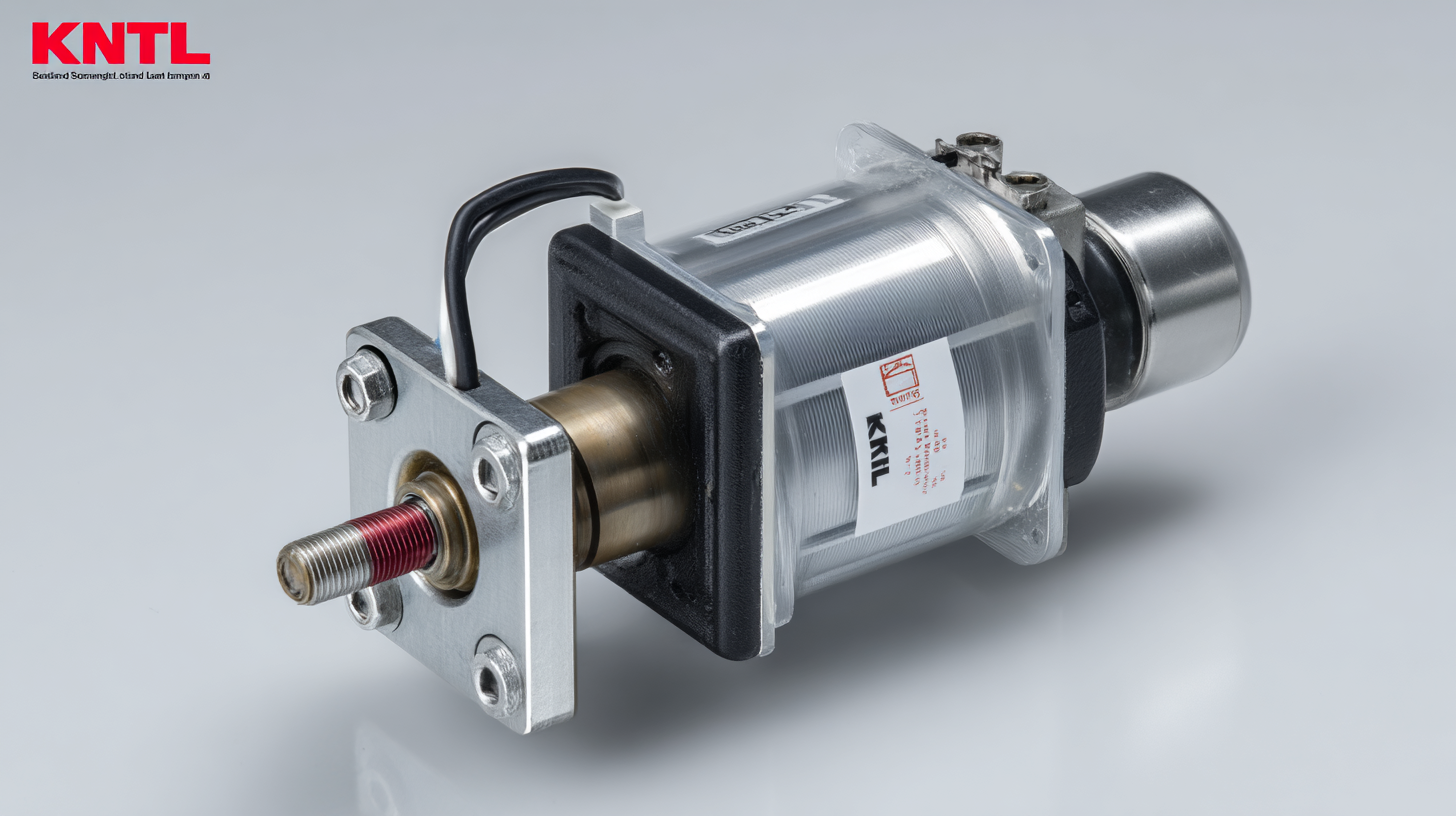
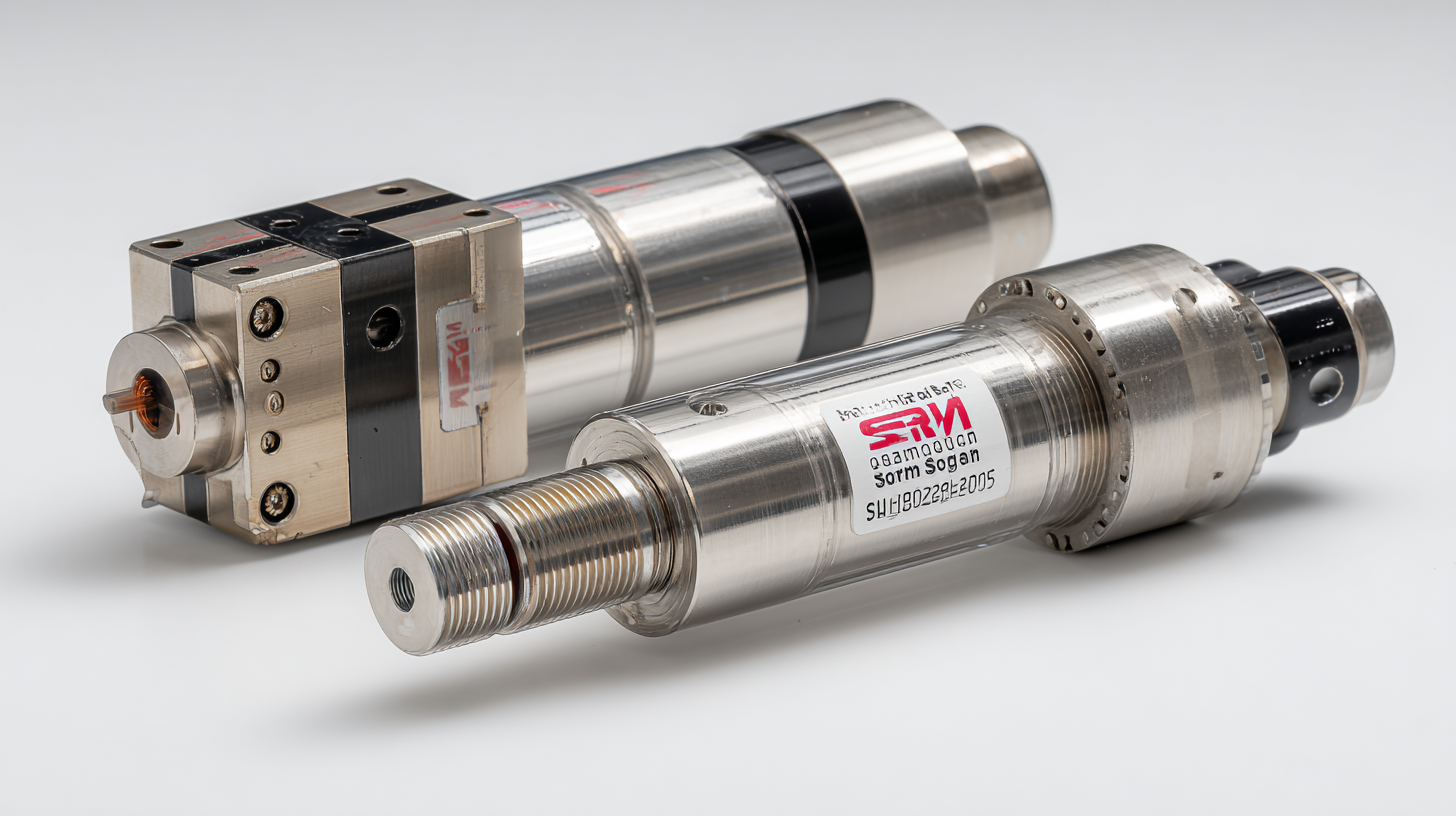
You know, in today’s fast-paced world of automation and control systems, the need for top-notch components like Sealed Linear Solenoids is skyrocketing. With industries pushing hard for efficiency and reliability—and let’s not forget about innovation—finding the best solenoids out there is becoming super important. That’s where Dongguan Asite Technology Co., Ltd. really shines. They’re at the cutting edge of this movement, offering a pretty impressive range of products. We’re talking everything from open frame and tubular solenoids to push-pull, holding, latching, and rotary solenoids. Plus, they’ve got some cool specialized stuff like car lights and smart door locks. But it’s not just about meeting the standard production guidelines; Asite really prides itself on being able to whip up customized and freshly designed products that fit various client needs perfectly. So, in this blog, we’re going to dive into the best strategies for sourcing the crème de la crème of Sealed Linear Solenoids, helping businesses dial in on precision-engineered solutions from trustworthy sources.
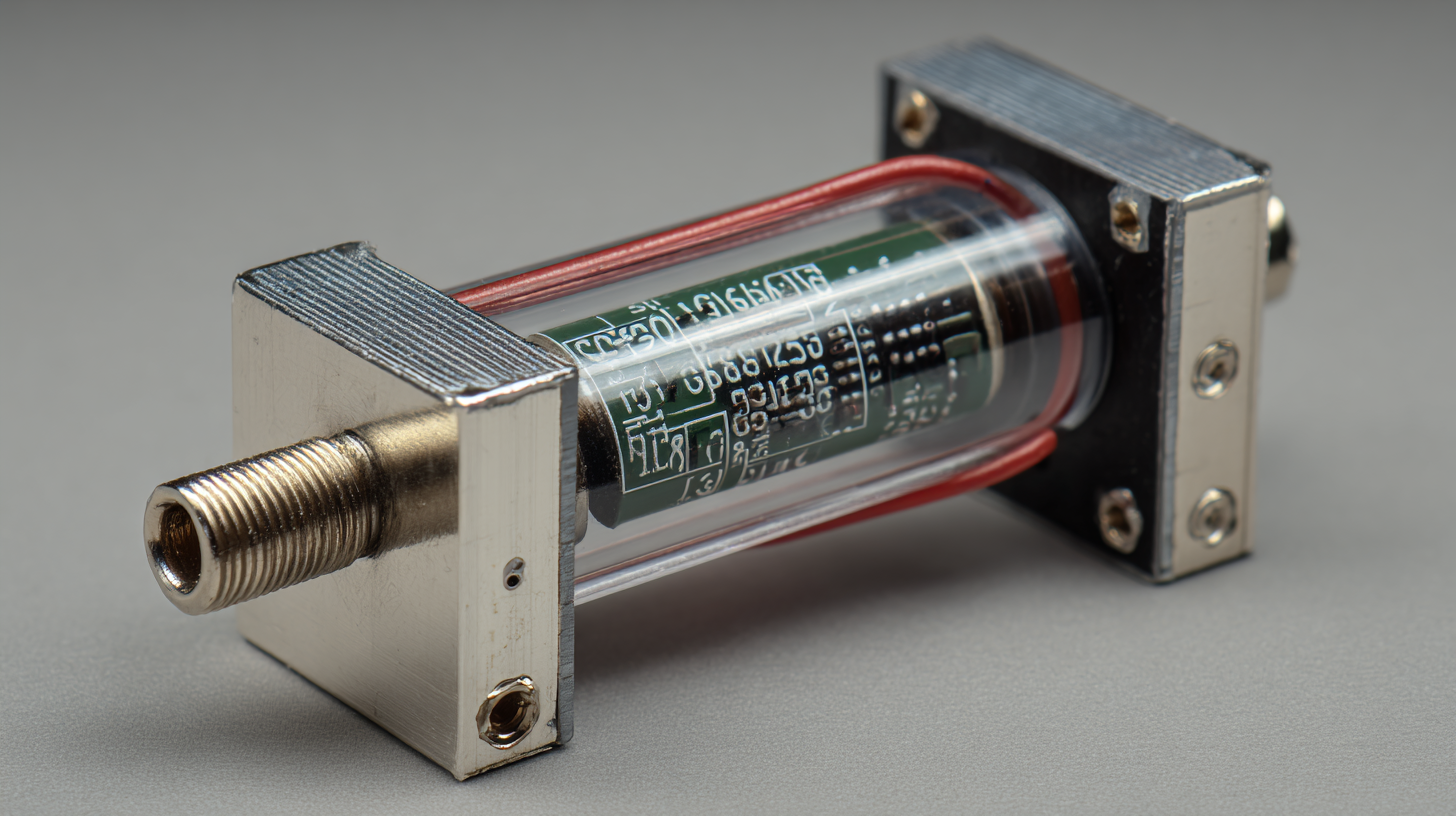
You know, there's been a pretty significant rise in the demand for sealed linear solenoids around the globe. It's mainly due to the cool advancements in automation and the growing need for precision control across different applications. I came across a market research report by MarketsandMarkets that says the global solenoid market is expected to hit around USD 4.5 billion by 2025, with a compound annual growth rate (CAGR) of 5.3%. That's a pretty big deal! You can really see this growth in the automotive and aerospace industries, where sealed linear solenoids are super important for things like locking mechanisms and fuel injection systems.
And let's not forget about electric vehicles (EVs). They’re really changing the game when it comes to demand for these components. A study from Allied Market Research pointed out that the EV sector is set to explode, with a market size predicted to reach USD 1 trillion by 2030. It’s kind of exciting, isn’t it? The need for sealed linear solenoids in electric vehicles, particularly for stuff like battery management systems and climate control actuators, is going to shoot up. It really shows how vital this tech is in helping us meet sustainability goals. As manufacturers adjust to these shifting trends, finding top-notch sealed linear solenoids is going to be super important for staying ahead in the market.
When you’re looking for suppliers for sealed linear solenoids, there are a few important things to think about to make the best choices. First off, you really want to check out the supplier's reputation and how dependable they are. It’s a good idea to find suppliers that have a solid history of making high-quality solenoids, and hey, positive customer reviews and industry certifications can really help back that up. This kind of track record often shows their dedication to not just the product quality but also to keeping their customers happy—both of which are super important if you’re looking for a long-term partnership.
Another thing to keep in mind is the supplier’s knack for meeting specific technical needs and customization options. You see, different applications might call for unique solenoid specs, like the right size, force range, or even how they hold up in different environments. It’s worth chatting with potential suppliers to see what they can offer in that department.
And don’t forget to think about their production flexibility and lead times—they're key to keeping your project on track and being quick to meet market demands. By keeping these points in mind, you can really amp up your sourcing strategy for sealed linear solenoids.
So, when you’re looking to source sealed linear solenoids from around the world, one really important thing to keep in mind is making sure you’re compliant with industry regulations. You see, quality standards can vary quite a bit depending on where you’re sourcing from, so it’s super important to thoroughly check out your potential suppliers. Always, and I mean always, double-check that the manufacturers have the right certifications, like ISO 9001. That’s a good sign that they’re serious about their quality management. It not only gives you peace of mind about the reliability of the products but also boosts your confidence as a buyer.
Here are a few tips to help you hit that compliance mark: regularly audit your suppliers to see if they’re sticking to quality standards. Keep the communication lines open, too! If you have any questions about their processes, materials, or testing methods, just ask. And hey, it might be a good idea to get some sample products for your own evaluation before diving into big orders. Testing those samples against industry benchmarks can really help you make sure the solenoids perform up to scratch.
Also, don’t forget to stay in the loop on any new industry regulations affecting solenoid manufacturing. Keeping yourself updated on compliance standards can save you a lot of hassle down the line and make importing a smoother journey. It can really pay off to team up with experts in regulatory affairs, too. That way, you not only end up with high-quality solenoids but also make sure you’re in line with global market standards.
| Criteria | Standard | Description | Compliance Verification | Audit Frequency |
|---|---|---|---|---|
| Material Quality | ISO 9001 | Quality management systems | Annual third-party audit | Yearly |
| Performance Testing | ASTM E2874 | Electrical performance testing | Internal testing reports | Quarterly |
| Environmental Standards | RoHS Compliance | Restrictions on hazardous substances | Supplier declaration | Biannually |
| Safety Compliance | UL Certification | Safety and risk assessment standards | Periodic inspections | Annually |
| Traceability | ISO 13485 | Medical device quality management | Documentation review | Every two years |
When it comes to sourcing sealed linear solenoids, companies often find themselves at a bit of a crossroads: should they make everything in-house or go the outsourcing route? Going with in-house manufacturing has some pretty big perks, like having direct control over how things are made, which can really boost quality and let you customize products to fit specific needs. But don’t forget, this path also tends to come with hefty upfront costs, constant upkeep, and the need for skilled personnel. For businesses aiming to stand out in a crowded market, where unique features can make all the difference, this approach could be a game-changer.
On the flip side, outsourcing is looking like a smart move lately, especially with the global market for Contract Development and Manufacturing Organizations (CDMOs) expected to hit a whopping $238.92 billion by 2024. Partnering up with experts can help companies speed up their production, keep costs under control, and quickly adjust to whatever the market throws at them. Just take a look at how more businesses are opting to outsource tasks like buffer fluid preparation — it’s all about being agile and efficient these days.
At the end of the day, figuring out whether to manufacture in-house or outsource really comes down to a detailed cost-benefit analysis, weighing both what you need right now and your goals for the future.
Technological innovations are fundamentally reshaping the landscape of sealed linear solenoids, making them not only more efficient but also increasing their applications across various industries. According to a market research report by Technavio, the global solenoid market is projected to grow by USD 243 million between 2022 and 2026, with the increasing implementation of automation technologies being a primary driver. Innovations such as improved coil designs and advanced materials have led to more compact, energy-efficient solenoids that can operate at higher temperatures without compromising performance.
Furthermore, the integration of smart technology is revolutionizing the way sealed linear solenoids are utilized in automated systems. The use of IoT (Internet of Things) devices is expected to enhance operational efficiency and provide real-time data analytics, resulting in reduced maintenance costs and downtime. According to a study by Statista, the global market for IoT in manufacturing is anticipated to reach USD 1 trillion by 2025, highlighting the importance of adapting solenoid technology to meet the demands of smart manufacturing. The evolution of sealed linear solenoids towards greater adaptability and performance speaks to the exciting future of this essential component in various mechanical systems.
So, when you're looking into the best places to source sealed linear solenoids, a few regions really pop out because of their industrial strengths and innovative vibes. One major player in this game is Asia, especially China. They've really taken over the manufacturing scene with their top-notch production facilities and super cost-effective processes. Companies here enjoy a solid supply chain that means they can get things done quickly and handle big orders without losing quality. Plus, with all the skilled workers and expertise in automation floating around, it's no wonder China stands tall as a go-to for sealed linear solenoids.
But don’t overlook Europe! Countries like Germany and Sweden are also fantastic options for sourcing these solenoids. They have this reputation for engineering excellence and a strict focus on maintaining high manufacturing standards. European suppliers often emphasize quality and sustainability, which makes them pretty attractive partners for businesses aiming to get high-performance products. And let’s not forget about the strong regulatory frameworks in place—they ensure that everything meets those important safety and environmental regulations, giving international buyers that extra peace of mind. So as industries keep changing, taking a closer look at these regions can really help companies make smart sourcing decisions that fit their needs.
: The global demand for sealed linear solenoids is primarily driven by advancements in automation and the increasing need for precision control in various applications, particularly in the automotive and aerospace sectors.
The global solenoid market is projected to reach USD 4.5 billion by 2025, with a compound annual growth rate (CAGR) of 5.3%.
The rise of electric vehicles significantly influences the demand for sealed linear solenoids, especially for applications such as actuators for battery management systems and climate control, as the EV sector is expected to grow substantially.
Key considerations include the supplier's reputation and reliability, ability to meet specific technical requirements and customization options, production flexibility, and lead times.
Assessing a supplier’s reputation and reliability is crucial because it indicates their commitment to product quality and customer service, which are essential for long-term partnerships.
Asia, particularly China, is a leading region due to its advanced manufacturing capabilities, followed by Europe, with countries like Germany and Sweden known for engineering excellence and high manufacturing standards.
Asian manufacturers, especially in China, offer cost-effectiveness, a robust supply chain network, quick turnaround times, and the ability to fulfill large orders without compromising quality.
European suppliers prioritize quality, sustainability, and often comply with stringent safety and environmental regulations, making them favorable partners for high-performance solenoids.