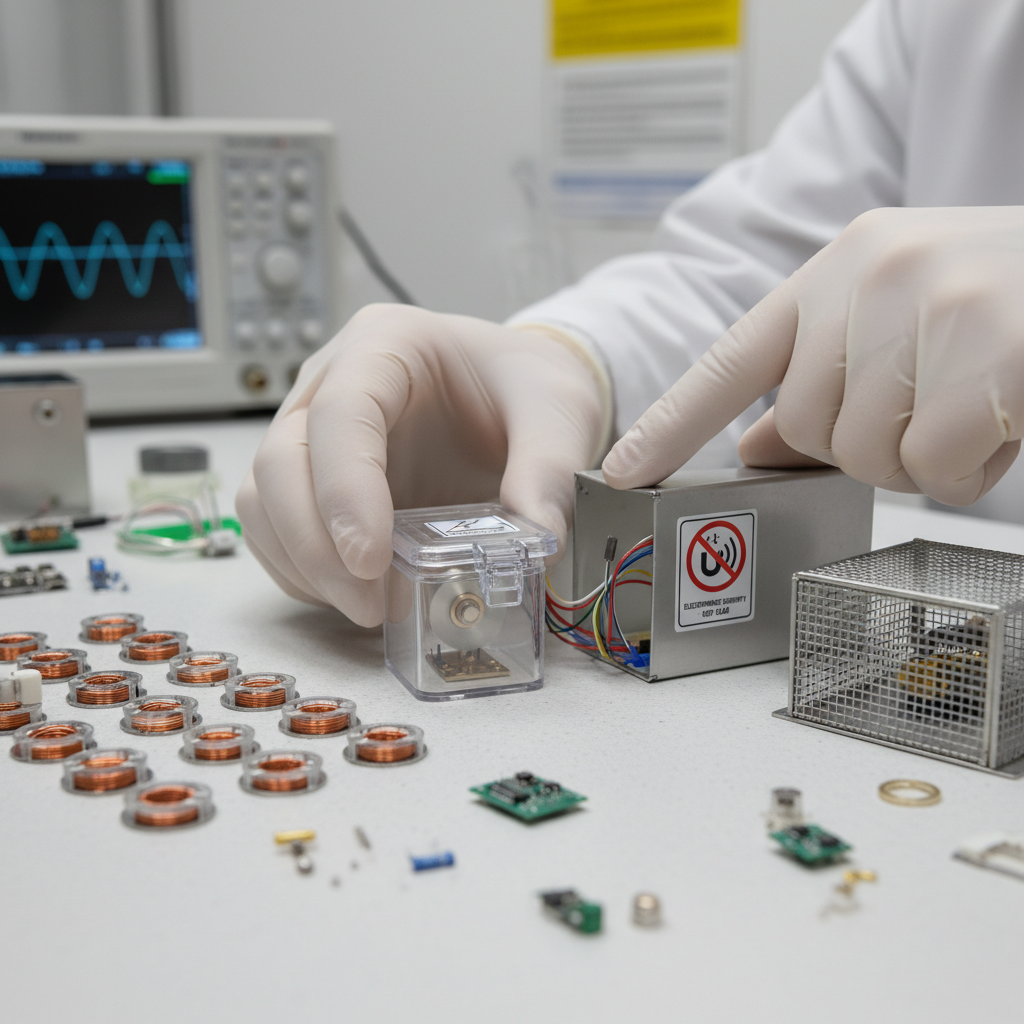
In today’s fast-changing world of tech and engineering, you really can’t overlook how important Tiny Electromagnets are. These small but mighty devices, which use electromagnetism to do their thing, are everywhere—from everyday gadgets to high-tech robots. If you understand how they work and the perks they bring, it can seriously ramp up the creativity and efficiency of whatever project you’re working on—whether you’re just tinkering as a hobbyist or designing for a living.
One of the coolest things about Tiny Electromagnets is how versatile they are. You’ll find them inside lock mechanisms, tiny motors, and even in educational kits that help explain electromagnetic principles. Because they don’t need a lot of power and don’t take up much space, they make it possible to create designs that are sleek, energy-saving, and super practical—perfect for meeting today’s push for greener, more sustainable engineering. In this article, we’ll explore the ins and outs of Tiny Electromagnets: what they’re used for, why they’re awesome, and how they can take your projects to new heights.

Understanding the Basics of Tiny Electromagnets
A tiny electromagnet is a compact device that generates a magnetic field when an electric current passes through it. Unlike permanent magnets, which maintain their magnetic properties indefinitely, tiny electromagnets can be turned on and off. This ability to control magnetism makes them particularly useful in various applications, from consumer electronics to robotics. Understanding the basics of tiny electromagnets involves recognizing how they work: a coil of wire is wrapped around a ferromagnetic core, and when the current flows through the wire, it magnetizes the core, creating a magnetic field.
Tiny electromagnets are found in numerous projects, enhancing functionality and efficiency. They play a crucial role in relays, where they act as switches in circuits, allowing for automation. In robotics, tiny electromagnets facilitate precise movements and control mechanisms, providing the necessary force to lift or manipulate objects. Additionally, in the realm of telecommunications, they are integral to devices such as speakers and headphones, converting electrical signals into sound waves. Understanding the versatility and functions of tiny electromagnets can significantly benefit anyone looking to innovate and improve various engineering projects.
Key Components and Functionality of Tiny Electromagnets
Tiny electromagnets are fascinating devices that leverage the principles of electromagnetism to produce a magnetic field when an electric current passes through them. The key components of a tiny electromagnet include a wire coil, typically made from copper, wrapped around a ferromagnetic core, such as iron. When electricity flows through the coil, it generates a magnetic field that magnetizes the core, enhancing the overall magnetic strength of the electromagnet. This setup allows for significant magnetic field manipulation within a compact form factor, making tiny electromagnets incredibly versatile.
The functionality of tiny electromagnets is paramount in various applications, from miniature motors in toys to complex mechanisms in locking systems and medical devices. Their ability to be easily turned on and off with an electric current provides precise control over magnetic properties, which is essential for tasks like actuation and sensing. Additionally, their small size allows for integration into tight spaces, making them ideal for intricate projects in robotics and electronics. With their numerous benefits, tiny electromagnets are indispensable tools for hobbyists and professionals alike, enabling innovative solutions across diverse fields.
Tiny Electromagnet Applications and Efficiency
This chart illustrates the application frequency of tiny electromagnets across various fields. The data showcases how they are predominantly used in DIY projects and robotics, followed by medical devices, telecommunications, and consumer electronics.
Common Applications of Tiny Electromagnets in Various Industries
Tiny electromagnets are proving to be indispensable in a variety of industries, showcasing versatility that extends from medical devices to aerospace applications.
In the field of robotics, miniature electromagnets facilitate the development of advanced magnetic actuation systems, enabling precision movement and control in tiny robots. These robots hold promising applications in medical and bioengineering fields, where their compact design allows for minimal invasiveness and enhanced therapeutic outcomes.
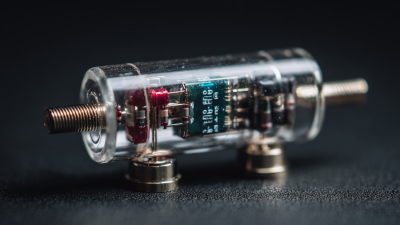
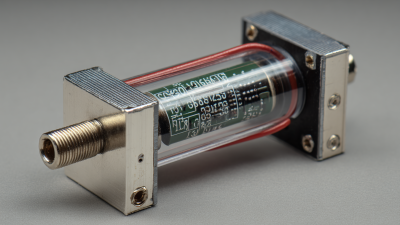
In addition to robotics, tiny electromagnets are integral to energy harvesting technologies, leveraging electromagnetic induction to capture and convert energy from ambient sources. This capability is increasingly vital in powering small devices, contributing to the rise of sustainable energy solutions. Moreover, advancements in magnet technology, such as the release of miniature tubular electromagnets, are set to address diverse demands across various sectors, whether it’s for better holding force in industrial applications or improved performance in compact electronic systems. The ongoing evolution of these tiny devices continues to pave the way for innovative applications across multiple industries.
Advantages of Using Tiny Electromagnets in DIY Projects
Tiny electromagnets have become increasingly popular in DIY projects due to their compact size and versatility. According to a report by Grand View Research, the global market for electromagnets is expected to reach $4.25 billion by 2027, driven by their extensive applications in various fields, including robotics, automotive, and consumer electronics. The lightweight design of tiny electromagnets allows hobbyists and professionals alike to integrate them into a wide variety of projects without the burden of heavy materials, streamlining the creation process.
The advantages of using tiny electromagnets in DIY projects are numerous. First, their ability to generate magnetic fields with minimal power consumption makes them energy-efficient, a critical consideration for battery-powered devices. A study from the International Journal of Electronics and Electrical Engineering highlights that small-scale electromagnets can achieve substantial magnetic strength while maintaining low energy use, which is ideal for compact devices. Furthermore, their precise control enhances usability, allowing creators to design intricate mechanisms such as automated locks or adjustable magnetic couplings. As technology continues to evolve, tiny electromagnets stand out as essential components for innovators looking to push the boundaries of traditional DIY projects.
What is a Tiny Electromagnet? Discover Its Uses and Benefits for Your Projects - Advantages of Using Tiny Electromagnets in DIY Projects
| Feature |
Details |
| Size |
Compact and lightweight, typically measuring under 1 inch |
| Power Source |
Operates on low voltage, usually 5V to 12V |
| Common Uses |
Robotics, automation, magnetic switches, and miniature locks |
| Advantages |
Lightweight, space-efficient, cost-effective, and easily controllable |
| DIY Applications |
Great for custom projects like robotic arms, automated doors, and magnetic mountings |
| Installation |
Easily integrates into existing circuits, often soldering is required |
| Maintenance |
Minimal, but periodic inspection for connection integrity is recommended |
Tips for Creating Your Own Tiny Electromagnet at Home
Creating your own tiny electromagnet at home can be an exciting and educational project. To start, you will need a few essential materials: a copper wire, a small iron nail, and a power source, such as a battery. Begin by wrapping the copper wire tightly around the nail, leaving enough wire at both ends to connect to the battery. The more turns you make with the wire, the stronger your electromagnet will be. Make sure the coils are packed closely together for optimal results.
Once you have your nail wrapped in copper wire, connect the ends of the wire to your battery terminals. As electricity flows through the wire, a magnetic field is generated around the nail, turning it into a magnet. You can test your electromagnet by trying to pick up small metal objects like paperclips or pins. Remember to handle it carefully, as the wire might heat up during use. Experimenting with different numbers of wire turns and battery types can help you explore the electromagnet's strength and efficiency, providing you with hands-on experience in basic electromagnetic principles.
Safety Considerations When Working with Tiny Electromagnets
When working with tiny electromagnets, safety is a primary concern that should not be overlooked. Despite their small size, these powerful devices can have significant effects on their environment and usage. It’s essential to handle them with care, ensuring that all safety protocols are in place to minimize any potential risks. For instance, lid openings should be secured, and materials used in projects should not be sensitive to electromagnetic interference.
**Tips for Safety When Using Tiny Electromagnets:**
1. Always wear safety goggles and gloves to protect against accidental short circuits or electrical shocks.
2. Ensure proper insulation of wires to prevent any mishaps during operation. Avoid direct contact with live wires.
3. Be mindful of nearby electronic devices that may be affected by the magnetic field, as tiny electromagnets can interfere with sensitive electronics.
Additionally, understanding the electromagnetic spectrum is crucial for ensuring safety, especially when integrating these devices into larger projects. Researchers have shown that while electromagnet technology can pose risks, with responsible handling and thoughtful design, it can be safely incorporated into various applications, including robotics and small-scale automation.
Leveraging AS 2834 DC 6V Push Pull Solenoids in Massage Device Innovation: Insights from the 2023 Electromagnetic Actuators Market Report
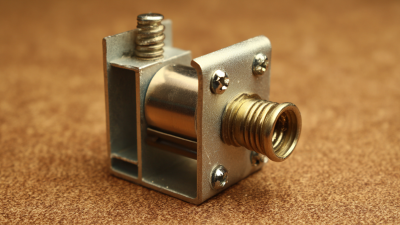
The 2023 Electromagnetic Actuators Market Report highlights significant advancements in the utilization of solenoids in innovative massage devices. Among these, the AS 2834 DC 6V push-pull solenoids stand out for their compact dimensions (36 x 28 x 26 mm) and robust performance, offering a force of over 2 N with a stroke length of 6 mm. These flapper solenoids, operated at a voltage of 6V, demonstrate exceptional efficiency in controlling mechanical functions such as flap operations in various devices including massage chairs. The report indicates that, with an insulation class of B or F and a lifespan exceeding 100,000 cycles, these solenoids are not just reliable but also economically advantageous for manufacturers looking to enhance their product offerings.
The mechanism of the flapper solenoid is elegantly simple, involving a copper coil, a moving plunger, and a unique design flap. When electricity flows through the coil, the plunger retracts, enabling precise control over connected mechanical components. This capability is particularly valuable in the massage device sector, allowing for controlled movements that enhance user experience. Additionally, the flapper solenoid's operational noise level remains under 60 dB at no load, ensuring a quiet functionality that is often desired in wellness-oriented products.
Recent data points to the surging demand for massage devices, driven by increasing health awareness and the proliferation of at-home wellness solutions. The application of advanced solenoid technology, such as that found in the AS 2834 model, positions manufacturers to meet this growing demand while offering enhanced product features. As firms explore customization options provided by manufacturers, including specific design adaptations, the potential for innovative, market-leading massage devices looks promising.
FAQS
: A tiny electromagnet is a compact device that generates a magnetic field when an electric current flows through it, allowing it to be turned on and off.
Tiny electromagnets work by wrapping a coil of wire around a ferromagnetic core, and when electric current passes through the wire, it magnetizes the core, creating a magnetic field.
Tiny electromagnets are used in various applications including relays for circuit switching, robotics for precise movements, and telecommunications devices like speakers and headphones.
In robotics, tiny electromagnets facilitate advanced magnetic actuation systems that enable precision movement and control, crucial for applications in medical and bioengineering fields.
Tiny electromagnets can be used in energy harvesting technologies to capture and convert energy from ambient sources, which is important for powering small devices sustainably.
Safety precautions include wearing safety goggles and gloves, ensuring proper insulation of wires, and being mindful of nearby electronic devices that may be affected by the magnetic field.
Miniature tubular electromagnets are a type of advanced magnet technology that provide enhanced holding force and improved performance for industrial and compact electronic applications.
Understanding electromagnetic interference is critical to avoid disrupting nearby sensitive electronics and to ensure the safe and effective integration of electromagnets into larger projects.
Conclusion
Tiny electromagnets are compact yet powerful devices that operate on the principle of electromagnetism, playing a crucial role in various applications across multiple industries. Understanding their key components, including coils and magnetic cores, reveals their functionality and versatility. Commonly utilized in DIY projects, these tiny electromagnets serve purposes ranging from actuating mechanisms to holding objects securely.
The advantages of tiny electromagnets are significant for hobbyists and professionals alike, as they can be customized to fit specific project needs. When creating your own tiny electromagnet at home, it's essential to consider safety measures to avoid overheating and ensure efficient operation. At Dongguan Asite Technology Co., Ltd., we offer a range of solenoids, including customized tiny electromagnets, to support innovative solutions in various fields, enhancing both functionality and design in your projects.