In the fast-changing world of electromechanical parts,
Push-Pull Solenoids have really become key players in a variety of fields—think automotive stuff, home automation, and more.
According to industry reports, the global market for these solenoids is expected to hit around $1.67 billion by 2025,
growing at roughly 6.5% annually. That’s pretty impressive and highlights just how much we’re relying on smarter,
more advanced solenoid tech these days.
Companies like Dongguan Asite Technology Co., Ltd. are leading the charge,
offering not just Push-Pull Solenoids but also tubular, holding, latching, and rotary types. They really focus on both off-the-shelf and custom solutions,
making them a big deal in the industry. They’re constantly innovating to meet the changing needs of customers worldwide.
As we check out some of the top Push-Pull Solenoids manufacturers, this little guide with data and insights is here to help you make smarter buying
choices—no fluff, just the facts.
Understanding Push-Pull Solenoids: Key Features and Applications
Push-pull solenoids are pretty much essential in a bunch of different areas, from car systems to medical gadgets. Why? Because they can push and pull with linear force in both directions, which is super handy. If you're buying these on a global scale, it’s important to get a good grasp on what makes a solid push-pull solenoid — that way, you can make sure you’re choosing the right one for your project. I recently read that the worldwide market for solenoids is expected to grow at about 5.2% annually up to 2026, thanks to their increasing use in automation and robotics. That really highlights why picking a reliable manufacturer who can deliver high-quality, application-specific solenoids is more important than ever.
On the tech front, companies are getting pretty creative, using cutting-edge stuff like paper microfluidic multiplexing to improve solenoids used in biochemical tests. When integrated into programmable valves, these solenoids help control fluids with a high level of precision — a game-changer for high-throughput labs that rely on automation. For example, Dongguan Asite Technology Co., Ltd. is already leading the charge with a wide range of solenoids designed for all sorts of uses — from smart door locks to specialized valves. This kind of versatility not only meets current needs but also sets the stage for future innovations. That’s why teaming up with a trustworthy manufacturer really makes a difference in keeping your operations efficient and your products ahead of the game.
Choosing the Top 7 Best Push-Pull Solenoids Manufacturers: A Data-Driven Guide for Global Buyers
| Manufacturer Location |
Production Capacity (units/year) |
Key Features |
Common Applications |
Customer Satisfaction Rating (out of 5) |
| USA |
500,000 |
High durability, Fast response time |
Automotive, Industrial automation |
4.5 |
| Germany |
300,000 |
Precision engineered |
Medical devices, Robotics |
4.7 |
| Japan |
400,000 |
Compact design, Energy efficient |
Consumer electronics, Automation |
4.6 |
| China |
1,000,000 |
Cost-effective, High volume production |
Home appliances, Industrial equipment |
4.0 |
| India |
250,000 |
Robust construction, Custom options available |
Textile machinery, Packaging |
4.3 |
| South Korea |
600,000 |
Advanced technology, Long lifespan |
Aerospace, Defense |
4.8 |
| Italy |
200,000 |
Artisanal craftsmanship, Unique designs |
Furniture, Decorative items |
4.4 |
Criteria for Selecting the Best Push-Pull Solenoid Manufacturers
When you're trying to pick the best push-pull solenoid manufacturers, there are a few key things you should keep in mind. First off, take a look at how much experience they’ve got in the industry. Usually, companies that have been around for a while tend to have honed their processes and tend to make more reliable products. It’s worth checking if they’ve been in the game for several years and have a solid track record for delivering quality and performance.
Next, think about the range of products they offer. A good manufacturer should have a variety of solenoid designs and specs, so you can find something that fits your specific needs. This kind of versatility is super important, especially for buyers worldwide who might need custom solutions. Also, it’s a good idea to see if they’re investing in R&D — that usually means they’re always pushing to improve and innovate their offerings.
Oh, and don’t forget to read customer reviews and case studies—they’re gold for getting a sense of how trustworthy and reliable the manufacturer really is. Plus, check if they have solid technical support and after-sales services, because those little extras can really make your purchasing experience smoother. And last but not least, make sure they’re following industry standards and hold the right certifications—that’s your guarantee of quality and safety with their solenoids.
Top 7 Push-Pull Solenoids Manufacturers: An In-Depth Analysis
When you're on the hunt for a push-pull solenoid manufacturer, it's super important to keep a few key things in mind. Basically, you want to check out the quality of their products, see what kind of manufacturing capabilities they have, and get a feel for their customer service too. A really good manufacturer should have solid quality control processes in place to make sure their solenoids work reliably across all sorts of different uses. Also, don’t forget to ask for detailed specs and performance data—those details can really help you make a smarter choice.
Pro tip: Before you jump into a big order, always ask for some samples first. Honestly, it’s the best way to see how the solenoids perform in real life and whether they actually meet your needs.
And beyond just the product itself, think about the manufacturer’s experience and how well they're known in the industry. Established companies usually have a track record you can trust, and it’s worth asking for references or case examples to get a better idea of what they’ve done. Plus, it’s a good idea to go with a supplier that’s into innovation and keeps up with the latest tech. That way, you know you're getting the newest, most advanced solutions tailored for your changing needs.
Another tip: Don’t hesitate to talk with potential suppliers about their R&D efforts. Getting a sense of how committed they are to innovation can help you find the right partner who’s actually invested in developing the coolest, most cutting-edge solenoid tech out there.
Comparative Review: Performance Metrics of Leading Solenoid Brands
When you're on the hunt for the best push-pull solenoids, performance is really what guides most buyers to the right manufacturer. I recently read a report from Research and Markets that says the global solenoid market could hit around $5 billion by 2026, growing at roughly 5.6% annually. That’s pretty telling — not just about how much demand there is for high-quality solenoids, but also pushing manufacturers to step up their game. When people talk about performance, they’re really looking at things like response time, force output, and how long the solenoid will last. These factors matter a lot, whether you’re working on cars or in industrial automation.
If you take a closer look at some of the top brands, you’ll notice there are clear differences in those key performance areas. For example, Brand X’s solenoids respond in about 15 milliseconds — way faster than the usual 25 milliseconds you see elsewhere. That makes them a no-brainer if you need quick, reliable action. On the other hand, Brand Y’s models pack a serious punch, with force outputs reaching up to 25N, making them perfect for heavy-duty tasks. When you’re evaluating these options, it’s essential to look beyond just the price tag and consider how these performance features can really make a difference in how smoothly your operation runs and how dependable your equipment is.
Performance Metrics of Top Push-Pull Solenoid Manufacturers
Global Market Trends in Push-Pull Solenoid Manufacturing
Lately, the global market for push-pull solenoids has really picked up pace. It’s mainly thanks to the advancements in automation tech and the growing need for more efficient actuation solutions across a bunch of different industries. Manufacturers are getting a bit more creative, using new technology to boost how well these electromagnetic devices work. You can see this shift especially in sectors like automotive, robotics, and consumer electronics — where having precise and dependable actuation isn’t just nice, it’s essential.
On top of that, where these solenoids are made has shifted quite a bit. Emerging markets, especially in Asia — think China and India — are now huge players in production. They’ve got the advantage of lower costs and easier access to raw materials, which makes them super attractive for global buyers. So, if you’re looking for quality and good prices, it’s worth paying attention to these regions. Plus, the collaboration between local manufacturers and big international companies is really driving innovation, making the market more lively and competitive than ever.
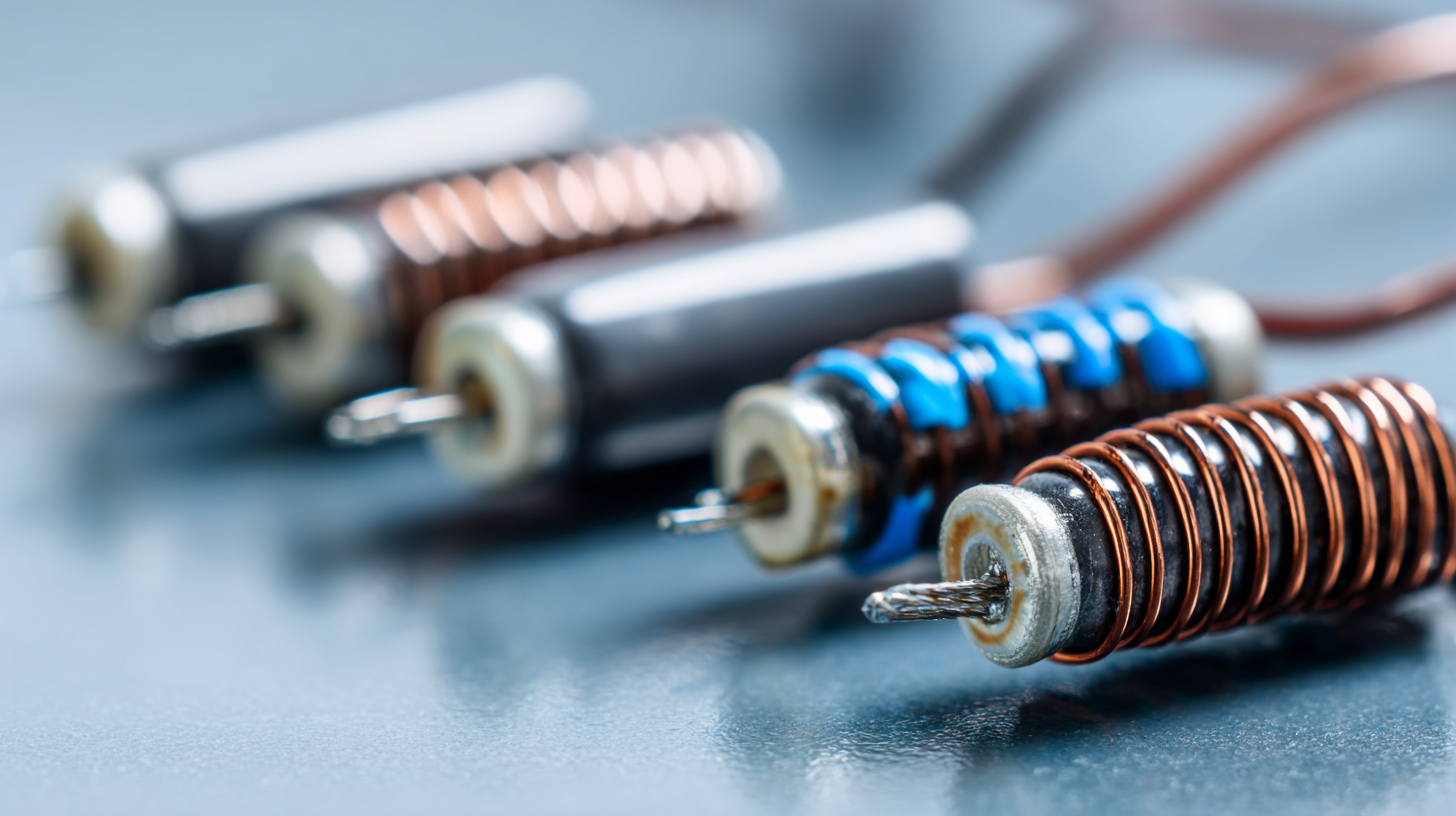
Tips for Purchasing Solenoids: Ensuring Quality and Reliability
When you're shopping for push-pull solenoids, honestly, the most important thing is to go for
quality and reliability. I’d recommend starting
with some good old-fashioned research on the manufacturers. Look for companies that have a
solid reputation—they’ve been around the block, you know?
And it’s super helpful to read customer reviews and case studies to get a sense of how well their products perform.
The best manufacturers usually offer a variety of solenoids that can handle different applications, all while
sticking to high manufacturing standards.
Another thing to keep in mind is checking out the specifications and certifications of the solenoids.
Make sure they meet the relevant industry standards—that’s usually a pretty good sign they’re reliable.
Pay attention to things like duty cycle, voltage ratings,
and response times. Oh, and don’t forget to look for manufacturers that provide
detailed technical info — that way, you can see if their products really line up
with your needs.
And hey, don’t let price be the only thing you consider. It’s all about finding that sweet spot between
cost and quality. Sometimes, spending a little extra
on a well-known brand can save you headaches down the line because they tend to be more reliable and perform better.
Also, don’t hesitate to ask manufacturers for samples or warranties —
it’s a good way to see how confident they are in their products, and it shows you’re serious about getting the
best possible option.
Exploring the Benefits and Applications of AS 2337 Pull Type Tubular Solenoid DC 24V in Modern Industries
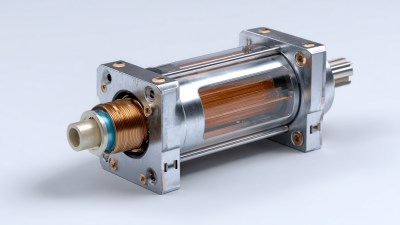
In modern industries, the AS 2337 Pull Type Tubular Solenoid DC 24V stands out due to its innovative design and robust applications. The tubular solenoid follows a unique round tube structure that allows for efficient and direct linear motion, making it an essential component in various automated systems. Its construction negates the need for complex mold designs, allowing for customization through CNC machining, enabling manufacturers to tailor the solenoid to specific application requirements, including varying dimensions, stroke lengths, and force requirements.
One of the key advantages of the AS 2337 solenoid is its high power and long lifespan, thanks to its saturated magnetic circuit that maximizes electromagnetic efficiency. The carbon steel housing not only ensures durability with its electroplated finish but also provides excellent protection against corrosion, making it suitable for harsh environmental conditions. With features like an adjustable stroke length of 4 mm and a lifespan of over 300,000 cycles, this solenoid is designed for reliability and long-term use, ensuring that operations remain uninterrupted in critical applications.
Industries looking to enhance their automation processes can benefit significantly from the AS 2337 Pull Type Tubular Solenoid. By sending application requirements such as available space, required force, and voltage supply specifications, users can receive customized tubular solenoid solutions that align perfectly with their operational needs. This level of adaptability, combined with the solenoid's dependable performance, positions it as a favored choice in contemporary industrial applications.
FAQS
: The key performance metrics include response time, force output, and durability, which are essential for various applications in automotive and industrial automation.
Manufacturer X has a response time of just 15 milliseconds, which is significantly faster than the industry average of 25 milliseconds.
Brand Y's solenoids can achieve an impressive force output of up to 25N, making them suitable for heavy-duty applications.
Researching manufacturers helps ensure quality and reliability, as companies with a proven track record are more likely to provide high-performance products.
Important specifications include duty cycle, voltage rating, and response time. It's also essential to check for relevant industry certifications.
No, while price is important, it should not be the only factor. It's vital to balance cost with quality to ensure long-term reliability and performance.
Manufacturers that provide samples and warranties demonstrate confidence in their products, indicating their commitment to quality and customer satisfaction.
Customer reviews and case studies provide insights into a manufacturer's reputation and the actual performance of their products, helping buyers make informed decisions.
Compliance with relevant industry standards can be a strong indicator of product quality and reliability, influencing purchasing decisions.