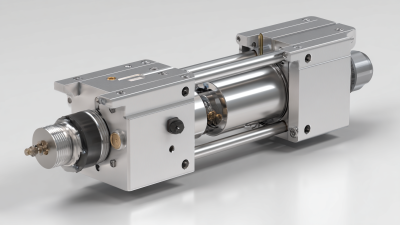
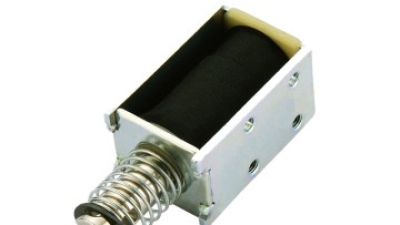
When it comes to electromechanical devices, Tubular Solenoids are pretty important and show up in a lot of different setups. They’re great for providing efficient actuation, and they do all that in a pretty compact package.
Over at Dongguan Asite Technology Co., Ltd., we’ve got a wide range of products—everything from open frame, tubular, push-pull, holding, latching, to rotary solenoids—designed to handle pretty much any operational need you might have.
As we dive into the key installation checklist for making sure your Tubular Solenoids perform at their best, we really stress how important it is to pay attention to detail and get the installation just right. Not only does this help the solenoids work better, but it also helps them last longer, so you’re really getting the most out of your investment in our cutting-edge solutions.
We’re all about offering customized, innovative products that you can rely on for top-notch reliability and performance, no matter how you use them.
Key Considerations for Selecting the Right Tubular Solenoid for Your Application
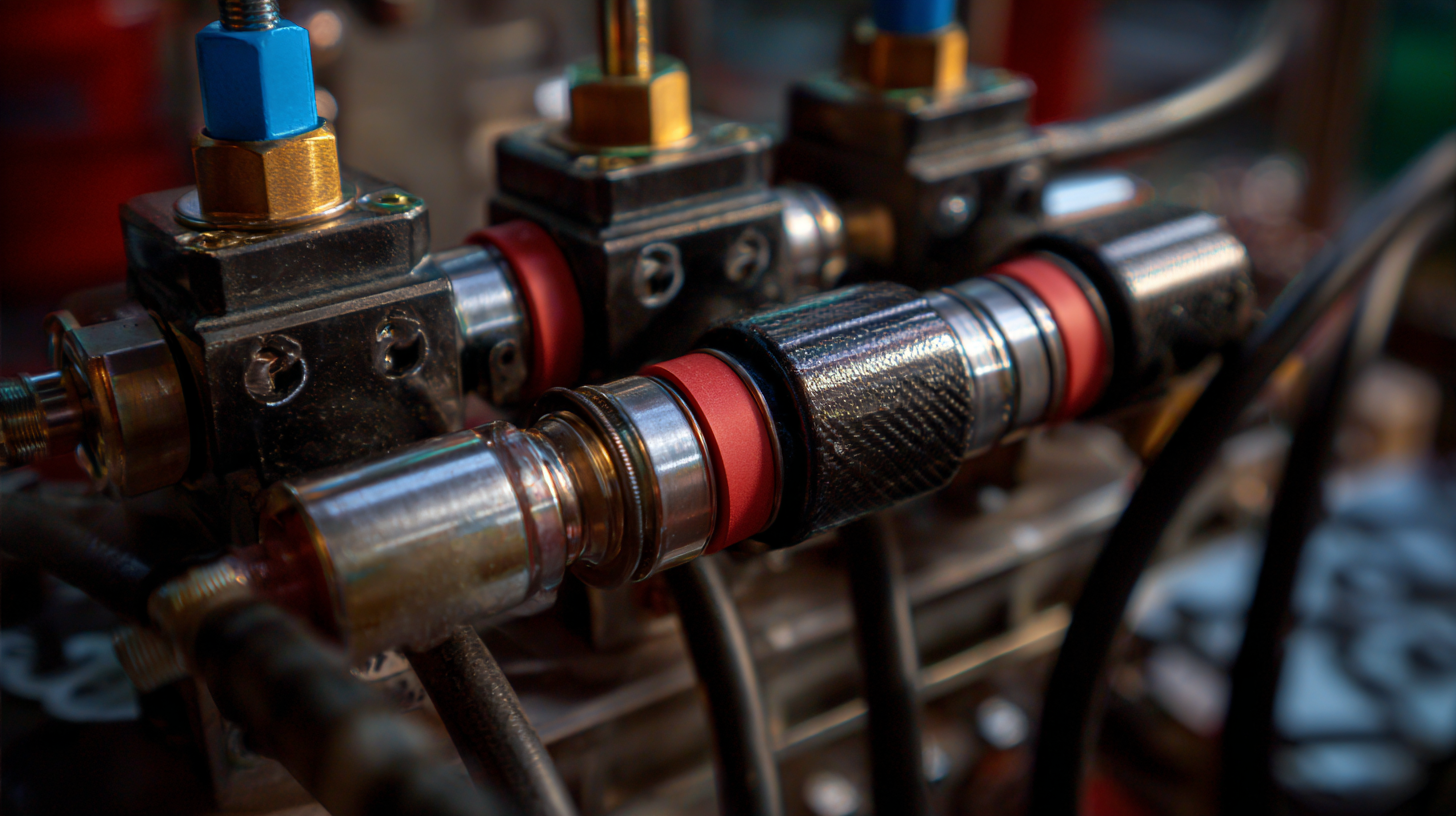
When you're trying to pick out the right tubular solenoid for your project, there are a few important things to keep in mind. First off, you wanna look at the voltage and current it'll need to run smoothly. These solenoids come in different voltage levels, so making sure you choose one that matches your system will help things run efficiently without any hassle. Also, don’t forget about the size — you need to make sure it’ll fit where you plan to put it and that it has enough stroke length to do what you need.
Another thing to think about is how often you’ll be using the solenoid — in other words, its duty cycle. If it’s going to be working constantly or just periodically, you'll want to pick a model designed for either continuous or intermittent use so it doesn’t overheat or wear out too quickly. Dongguan Asite Technology Co., Ltd. offers a whole range of tubular solenoids, including custom options beyond the usual specs, so you can find one that really matches what you're after. And don’t forget, smooth installation and proper integration are key to making sure your device performs at its best.
All in all, just take your time to consider these details, and you’ll end up with a solenoid that works perfectly for your needs — no stress!
Essential Tubular Solenoid Performance Metrics
This bar chart illustrates key performance metrics essential for selecting the right tubular solenoid for optimal performance in various applications. It covers voltage, current, pull force, response time, and duty cycle, which are critical considerations during installation and selection.
Understanding the Electrical Specifications and Ratings of Tubular Solenoids
When you're installing tubular solenoids, it's pretty important to get a good grip on their electrical specs and ratings. These little guys are designed to work best under certain voltage and current conditions. If you make sure the voltage from your power supply matches what's recommended, you can avoid overheating and help your solenoid last longer. Always double-check the manufacturer's datasheet to see what the proper voltage and current ratings are — better safe than sorry!
Here's a quick tip: Before you hook everything up, measure your power supply voltage just to be sure it lines up with what the solenoid needs. It sounds simple, but trust me, it can save you a lot of headaches later on, like preventing damage or having to troubleshoot issues.
Another thing to keep in mind is the duty cycle — basically, how long the solenoid can run without overheating. Usually, a higher duty cycle means it can stay on longer. Knowing this helps you set things up correctly for whatever task you're working on, keeping everything safe and within limits.
And a little extra tip: If you're running the solenoid for a while, check its temperature now and then, especially during longer cycles. Doing this early can help you catch any potential problems before they turn into bigger issues.
Best Practices for Mounting Tubular Solenoids to Enhance Performance
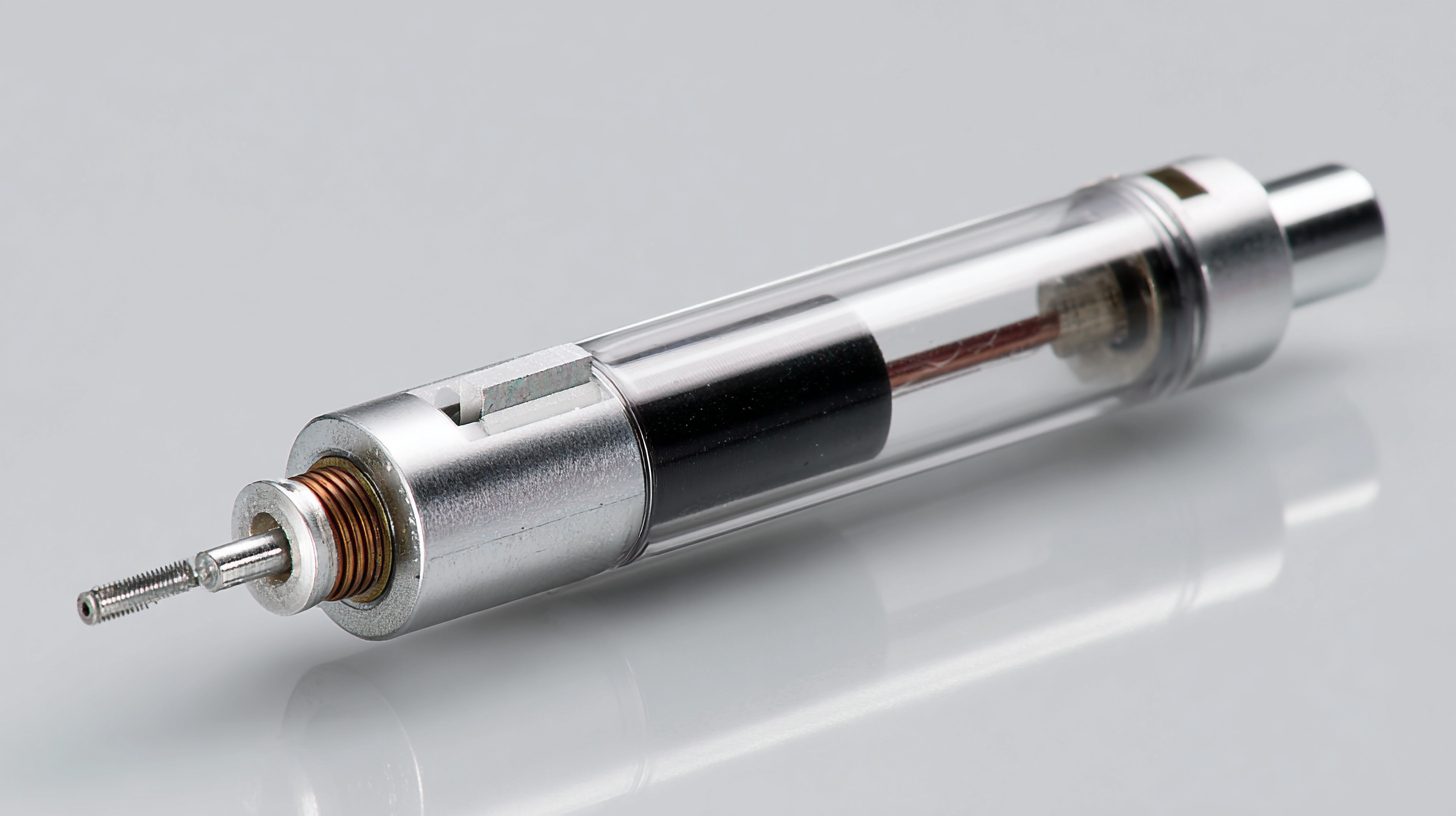
When you're installing tubular solenoids, sticking to the best practices is super important if you want them to work well and last longer. One of the biggest things is making sure they're properly aligned when you put them in—any misalignment can cause more wear and tear and actually reduce their efficiency. I came across a report from the International Electrotechnical Commission that says if the solenoid isn't aligned right, its performance can drop by up to 20%. That just shows how crucial precision is during installation. Making sure the solenoid is securely mounted and lined up with its plunger can really make a difference and help it last longer.
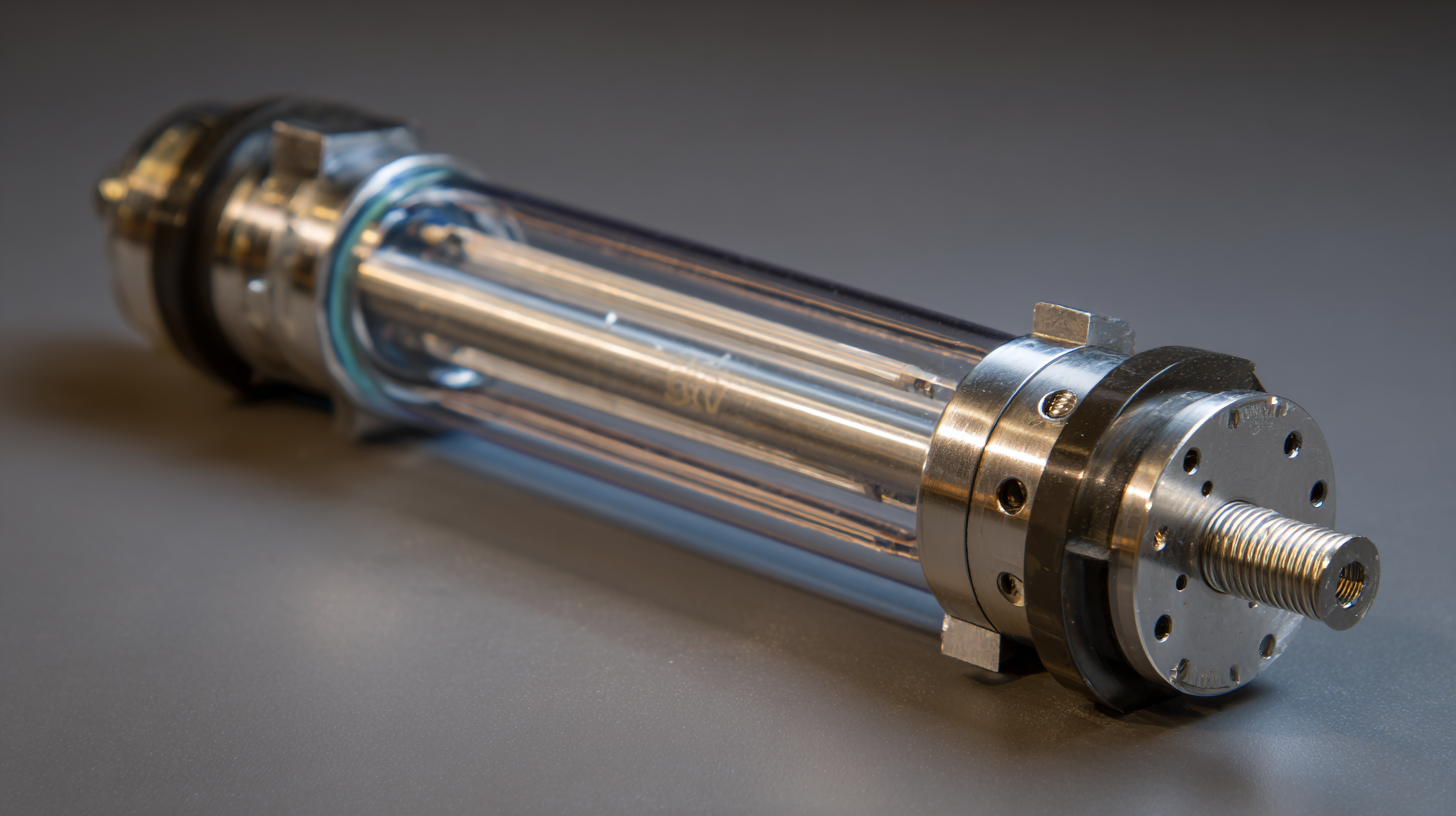
Also, the kind of mounting hardware you use really matters. Going for good-quality, corrosion-resistant bolts and brackets is a no-brainer, especially if you want to avoid early failures. The IEEE Standards Association points out that environments with lots of humidity or chemicals can speed up deterioration. So, it's a smart move to do proper inspections and maybe even use some special coatings to keep things in check. Following these simple tips will help your tubular solenoids perform their best and stay reliable, no matter what kind of application you're using them for.
Essential Wiring Guidelines for Tubular Solenoid Installation
When you're installing tubular solenoids, it's super important to follow some basic wiring rules. Trust me, doing it right makes a big difference in how well the solenoid works and how long it lasts. If you wire it correctly, you'll prevent issues like overheating or electrical failures—nobody wants that! According to a report from the International Electrotechnical Commission (IEC), about 30% of solenoid problems in industry come down to wiring mistakes, so yeah, paying attention during installation is a must.
One thing to keep in mind is matching your wire gauge to the solenoid's current and voltage needs. The National Electrical Code (NEC) recommends choosing a wire that minimizes voltage drop – that’s the little loss of voltage that can make the solenoid respond sluggishly. For example, if you're working with a 12V solenoid that pulls around 3 amps, using an 18 AWG wire is usually a good call. Also, make sure your connections are solid and well-insulated—you don’t want electromagnetic interference messing with the operation. Sticking to these tips not only keeps things running smoothly but can also help your solenoid last longer, making everything run hassle-free in the long run.
Essential Tubular Solenoid Installation Checklist for Optimal Performance
| Item |
Description |
Checklist Status |
Comments |
| 1 |
Verify solenoid specifications |
✔️ Completed |
Ensure compatibility with power supply |
| 2 |
Check wiring diagram |
✔️ Completed |
Follow manufacturer guidelines |
| 3 |
Inspect installation area |
✔️ Completed |
Ensure sufficient space and ventilation |
| 4 |
Prepare wiring connections |
✔️ Pending |
Use appropriate connectors |
| 5 |
Test solenoid operation |
✔️ Pending |
Monitor for performance issues |
Common Installation Mistakes that Affect Solenoid Functionality
When you're installing tubular solenoids, making sure they work perfectly is kind of a big deal. A lot of folks run into common mistakes that can really mess with how these crucial parts perform. For example, one thing that often gets overlooked is how important it is to align the solenoid properly during setup. If it’s off from the actuator, it might not generate enough force, or worse, just refuse to activate at all. Also, forgetting to secure the solenoid with the right mounting hardware can lead to vibrations — and trust me, that’s a quick way to cause trouble down the line.
Another thing that's easy to overlook is checking the power supply specs before you install. These solenoids need the right voltage and current; using the wrong stuff can cause them to overheat or burn out pretty fast. Don’t forget about environmental factors either — things like temperature and humidity can seriously affect how well your solenoid works.
At Dongguan Asite Technology Co., Ltd., we’re all about providing a wide range of solenoid products, tailored to fit different industry needs. We’re committed to not just offering standard options but also customizing solutions that tackle common installation headaches and boost reliability. Our goal is to make sure every application runs smoothly and performs at its absolute best.
Maintenance Tips to Ensure Longevity and Performance of Tubular Solenoids
When you're working with tubular solenoids, keeping up with proper maintenance is really key if you want them to last and work well. It’s a good idea to do regular check-ups — look out for any signs of wear or damage before things get worse. Interestingly, a report from the IEEE mentions that about 30% of solenoid failures happen because maintenance wasn’t done as it should be. Sticking to a regular schedule for cleaning, lubricating, and inspecting can go a long way in preventing these issues and keeping everything running smoothly.
Another thing to keep in mind is the temperature. Data from the International Journal of Engineering Research shows that if a solenoid gets too hot, it can cut its lifespan by half. So, making sure it’s properly cooled or well-ventilated is a smart move. Plus, avoiding overloading it with too much voltage or current is super important — it helps prevent early failures and keeps it working longer. A quick review of these tips now and then can really boost how reliable and efficient your systems are in the long run.
Understanding the Power and Versatility of the AS 0835 DC Linear Solenoid Push Pull Type for Your Projects
The AS 0835 DC Linear Solenoid Push Pull Type is a remarkable component that exemplifies the power and versatility of DC linear solenoids, widely regarded for their robust linear motion capabilities. As outlined in various industry reports, these solenoids, also known as linear actuators, feature a unique design that enables them to deliver high holding force with minimal power consumption—essential for applications where energy efficiency and heat generation are concerns. For instance, a study from the International Association of Automation estimates that incorporating efficient actuators can reduce energy costs by up to 30% in medical and analytical equipment.
This dual-ended push-pull design provides unparalleled flexibility, allowing the user to engage either end of the shaft for mechanical connection. The engineering principle behind these solenoids ensures a reliable performance suited for heavy-duty tasks, making them ideal for extensive deployment in fields like healthcare and electronics manufacturing. Market analyses indicate that the demand for such versatile components is steadily increasing, driven by innovations in automation and robotics. As more industries recognize the potential of DC linear solenoids, applications are diversifying, paving the way for groundbreaking solutions in precision machinery and laboratory devices.
By leveraging the capabilities of the AS 0835 model, engineers and designers can optimize their projects, capitalizing on the dual functionality of pushing and pulling actions without compromising efficiency. This advancement not only enhances performance but also contributes significantly to the overall effectiveness of their systems, indicating a promising outlook for future technological developments in linear actuation.
FAQS
: The first consideration is assessing the operating voltage and current requirements to ensure compatibility with your system and maximize efficiency.
The physical dimensions are important because the solenoid must fit within the designated space and provide adequate stroke length to meet operational needs.
The duty cycle refers to how often and how long the solenoid will be activated, which determines whether a solenoid designed for continuous or intermittent use should be selected to prevent overheating.
Regular inspections, cleaning, lubrication, and adherence to a scheduled maintenance plan can significantly reduce the risk of operational issues.
Excessive heat can shorten the lifespan of solenoids by up to 50%, making it essential to monitor operating temperatures and implement proper cooling solutions.
Ensuring that the solenoid is not subjected to excessive voltage or current can help prevent premature failure and extend its functional life.
Efficient installation and integration are crucial for achieving optimal performance in your device.
Yes, Dongguan Asite Technology Co., Ltd. offers a range of tubular solenoids, including customized options beyond standard specifications to match specific requirements.
Tubular solenoids should be inspected regularly as part of a maintenance schedule to identify any signs of wear or damage.
The Institute of Electrical and Electronics Engineers (IEEE) reported that 30% of solenoid failures can be attributed to inadequate maintenance practices.
Conclusion
When it comes to using tubular solenoids, getting them installed correctly and choosing the right one is pretty important if you want everything to run smoothly. In this blog, I’ll walk you through a handy checklist covering the key things to keep in mind—like making sure you understand the electrical specs and ratings that match your specific needs. We also chat about the best ways to mount these things, which can really make a difference in how well they work.
Plus, I’ll share some wiring tips and point out common mistakes folks often make during installation—trust me, avoiding those can save you a lot of headaches down the line. And don’t forget, regular maintenance isn’t just extra; it’s key to keeping your solenoids reliable and long-lasting. Here at Dongguan Asite Technology Co., Ltd., we’ve got a wide selection of solenoids, including custom options, so you’re pretty much covered no matter what you need.