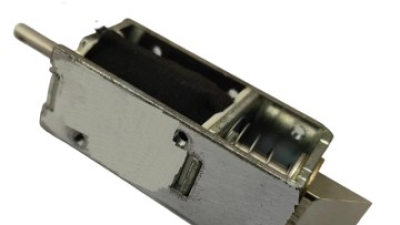
In today's fast-changing tech world, picking the right push-pull solenoid for your project isn’t just a small detail—it's pretty much key to getting things running smoothly and efficiently. Have you seen the industry reports? They say the solenoid market could hit around $3.65 billion by 2027. And get this — there’s a growing buzz around custom solutions that fit really specific operational needs.
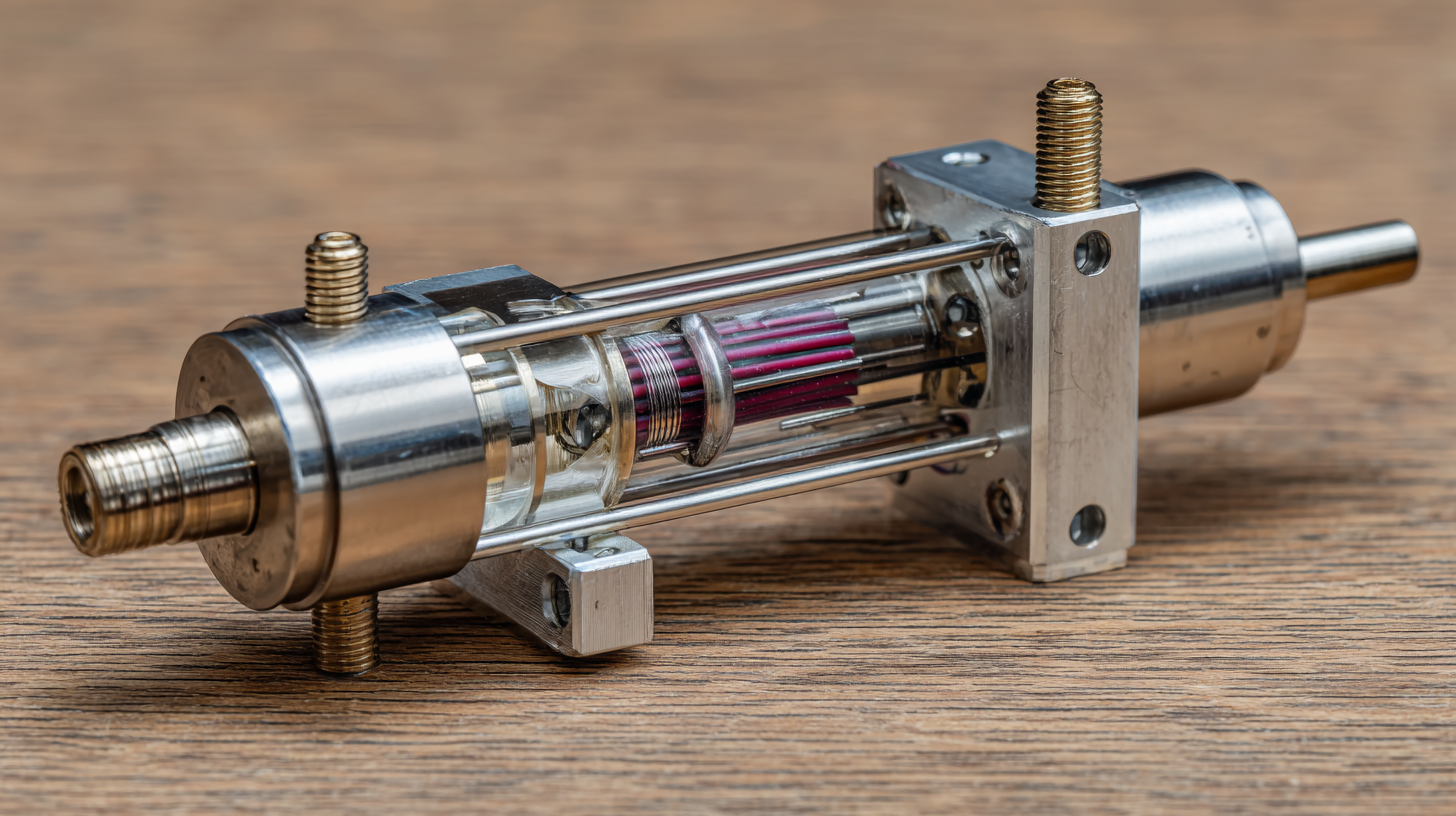 Dongguan Asite Technology Co., Ltd. is definitely leading the charge in this space, offering all sorts of solenoids—push-pull, holding, latching, rotary—and even related stuff like car lights and smart door locks. As more businesses jump into automation and control systems, it’s super important to understand what to look for when choosing a push-pull solenoid. Picking the right one can make all the difference in making sure your setup stays reliable and lasts a long time.
Factors to Consider When Choosing a Push Pull Solenoid
So, when you're choosing a push-pull solenoid, there are a few key things you really wanna keep in mind to make sure it works well for what you're actually doing. First off, think about the amount of force you need—that’s pretty much the main thing. According to some report by the IEC, solenoid force can be anywhere from just a few ounces all the way up to hundreds of pounds, depending on the design. Getting a clear idea of what your system needs will really help narrow down your options and avoid any guesswork.
Then there’s the duty cycle. Basically, that’s how long the solenoid can run before it needs a break to cool down. The IEEE talks about how most solenoids operate somewhere between 10% and 100% duty cycle — which really affects how long they last and how reliable they are. If you’re planning to use the solenoid all the time, it’s a smart move to pick one that can handle higher duty cycles so it doesn’t overheat or break down too soon.
And don’t forget about the environment where it’ll be working. Some solenoids are built to handle tough conditions—like dust or water—say, with an IP65 rating or similar. A 2023 standards report stresses that choosing a solenoid that meets or exceeds these specs is super important, especially if it’s gonna be outside or in harsh conditions. Doing this will help your solenoid last longer and stay effective without breaking down early.
All in all, taking these factors into account will save you headaches down the line and help you pick the right solenoid for your needs.
Understanding the Specifications of Push Pull Solenoids for Your Needs
When you're choosing the right push-pull solenoid for your project, getting a good handle on its specs is pretty important. These tiny yet mighty components are used in all sorts of industries, and actually, industry reports say the market's worth could hit around $1.5 billion by 2025—no joke. So, what should you be looking at? Well, key things like the force it can exert, how far it moves (the stroke length), and the voltage it needs to run. For example, the amount of force a solenoid can deliver really impacts how well it performs—in everything from car systems to gadgets and other electronics. Usually, you'd want somewhere between 1 and 20 pounds of force, depending on what you're working on. The stroke length could range from tiny, like 0.1 inches, to a couple of inches—around 2 inches—based on what your device needs mechanically.
And yeah, sometimes you’ll need to customize these things to really fit your specific needs. Like what Dongguan Asite Technology Co., Ltd. mentions, they offer a pretty wide range of solenoid designs—some tubular, some open-frame—that are tailored for particular applications. Being able to tweak things like the operating temperature, how many times it cycles, or how it’s installed means your products will work better and last longer. By paying attention to these specs and opting for innovative designs, manufacturers can really step up their game—delivering better performance and reliability for their customers.
All in all, choosing the right solenoid isn’t just about picking the hottest item on the shelf. It’s about understanding what your project calls for and customizing accordingly. That way, you get a solid, dependable part that fits your needs and keeps things running smoothly.
The Ultimate Checklist for Selecting the Right Push Pull Solenoid
This chart represents the common specifications of push pull solenoids, including force output (N), power consumption (W), and operating voltage (V) for different configurations.
Comparing Different Types of Push Pull Solenoids: Which is Best?
So, when you're picking a push-pull solenoid for your project, it’s pretty important to understand the differences between the types out there. Basically, you’ve got single acting and double acting solenoids. Single acting ones are usually used when you just need a simple push or pull motion—they tend to be smaller and kind of easier on the wallet too. According to some report from the Research Institute for Automation and Manufacturing, these single acting solenoids make up about 60% of the market because they’re simple in design and super easy to add into different setups.
Now, on the flip side, double acting solenoids can do both push and pull, which makes them a bit more versatile, especially for more complex tasks. The catch? They generally take up more space and cost a bit more. Recent info from the International Electromechanical and Electromechanical Association says that demand for double acting solenoids is expected to grow around 15% over the next five years—mainly because industries like automotive and robotics are really into having precise control. Understanding these differences really helps engineers pick the right one for their needs, considering factors like space, budget, and what exactly the application requires.
Key Performance Metrics for Effective Push Pull Solenoid Selection
When you're trying to pick out the right push-pull solenoid for your project, it’s really important to get a handle on the main performance basics. I came across a report from the International Electrotechnical Commission that points out solenoids working within certain voltage ranges tend to be more efficient and reliable. Turns out, sticking to around 6V to 12V works pretty well for most setups — it helps prevent overheating and also keeps the response quick, which is pretty crucial if you're dealing with something that needs to move fast.
Plus, don't forget about things like the force they can exert and their stroke length. According to a study by the Society of Automotive Engineers, solenoids that can push with around 5 to 20 pounds and have a stroke length of up to 1 inch are usually what folks prefer in cars — say, for locking systems or hatches. Oh, and the cycle rate? It’s a big deal too. The Journal of Mechanical Engineering mentions that some solenoids can handle over a million cycles if they're designed for quick on-off action. That makes them perfect for stuff that needs to cycle rapidly over and over.
So, picking a push-pull solenoid that ticks all these boxes isn’t just about getting the job done — it’ll also make your setup last longer and perform better overall.
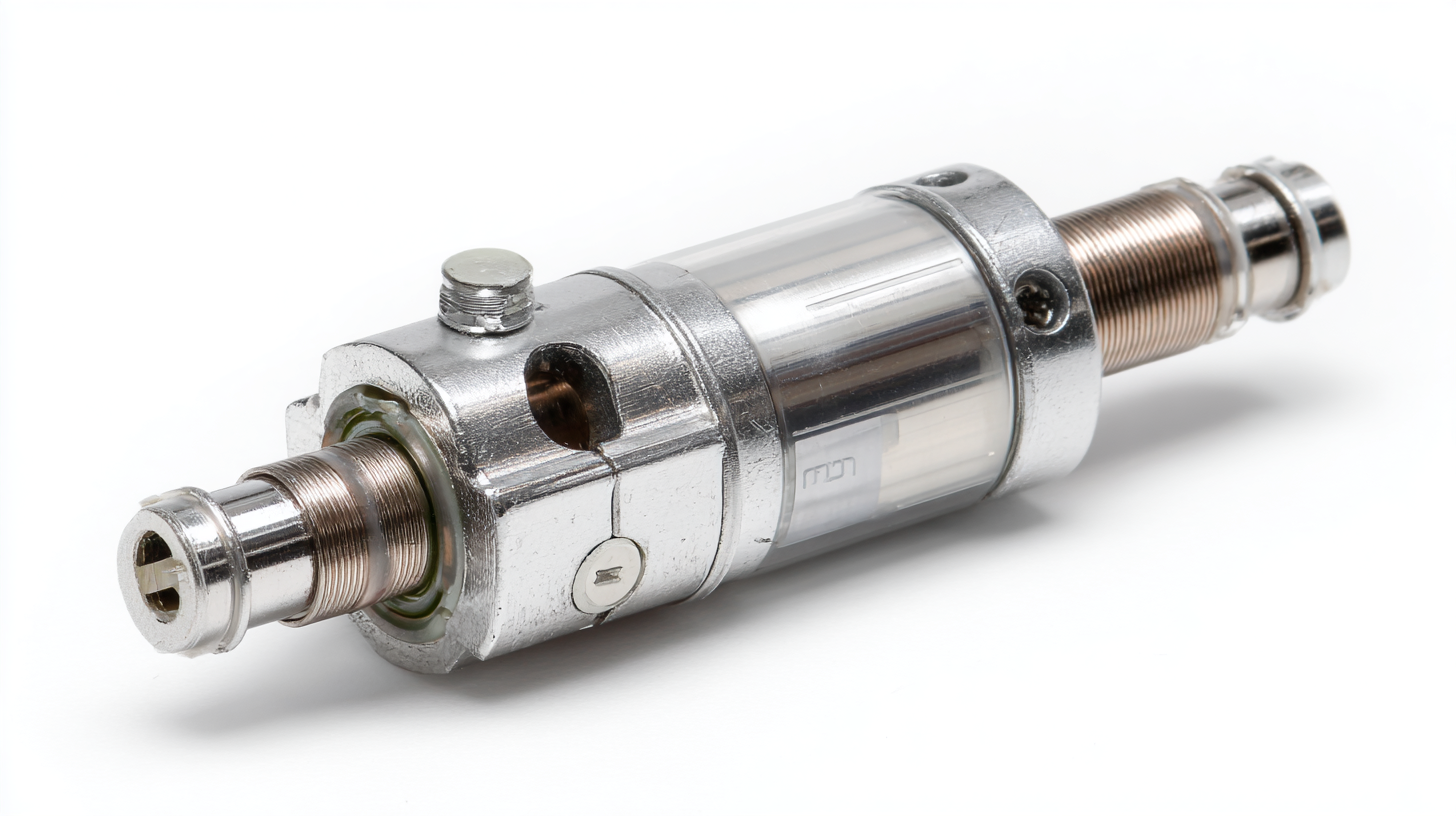
Common Mistakes to Avoid When Selecting Push Pull Solenoids
When you're picking out a push-pull solenoid for your project, it’s really important to watch out for some common mistakes that can cause your system to not work as smoothly — or even fail completely. One mistake I see quite a bit is forgetting to really consider what kind of load you’re dealing with. People often underestimate or overestimate the force needed to move or hold things in place. As a result, they end up choosing a solenoid that's either too weak or way more powerful than they need. To avoid this, take your time to calculate the weight and resistance of the moving parts — this way, you’ll grab a solenoid that gives you just the right amount of force without wasting energy or power.
Integration Tips for Seamless Implementation of Push Pull Solenoids
When you're working on integrating push-pull solenoids into your projects, making sure everything fits together smoothly is super important if you want the system to perform well and stay reliable. Did you know that, according to a recent report by MarketsandMarkets, the worldwide solenoid market is expected to hit around $8.4 billion by 2025? That just shows there's a growing need for dependable and efficient electromechanical parts out there. To get things just right, it's a good idea to start by really understanding what your application needs—things like stroke length, force, and duty cycle. Picking the right type of solenoid that lines up with these specs can really boost performance and help save energy too.
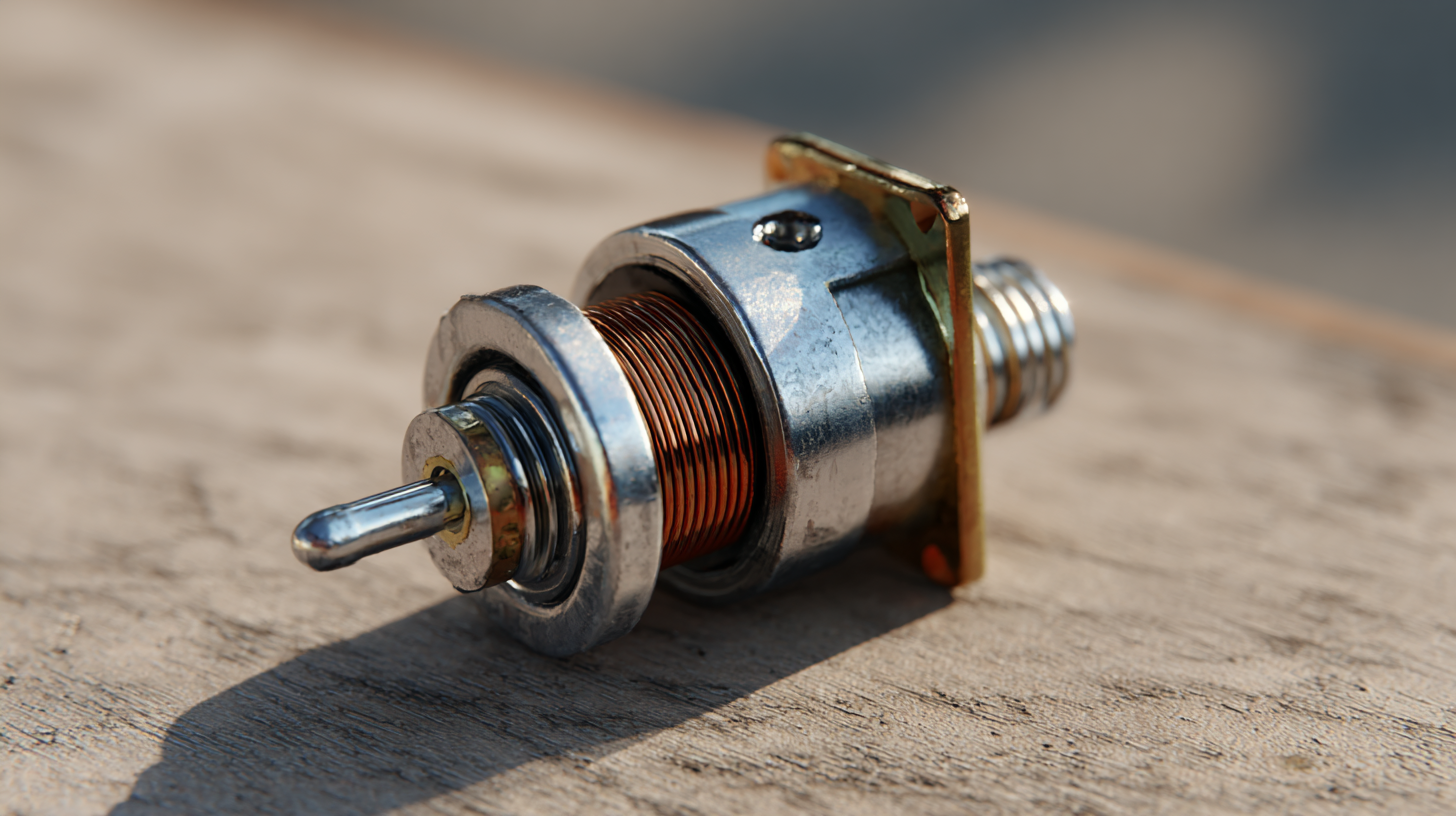
On top of that, how you install these things matters a lot. Proper alignment and mounting are key—if you don’t get it right, you might see lower efficiency or even early failures. A report from Technavio points out that when you follow good design and installation practices, the failure rate of solenoids drops quite a bit—some users even say they see up to a 30% longer lifespan just by doing things the right way. Also, choosing the right driver circuits for your solenoids helps keep everything running smoothly, within their intended limits. When you focus on these integration tips, you'll really get the most out of push-pull solenoids in your projects—and that’s what makes all the difference.
Enhance Security with AS 9527 DC 12V D Frame Type Pull Push Door Lock Solenoid: A Comprehensive Guide to Electromagnet Locks
Enhancing security in modern facilities has become a critical concern for both residential and commercial properties. The AS 9527 DC 12V D Frame Type Pull Push Door Lock Solenoid offers an innovative solution for securing entrances while enabling easy access. This electromagnet lock operates on a straightforward principle: when it is energized, the door unlocks, providing a seamless entry experience. With dimensions of 95 * 27 * 20 mm and a stroke range of 6-8 mm, this lock fits neatly into various door frames without compromising structural integrity.
One of the standout features of the AS 9527 lock is its impressive resilience. It can withstand a pulling force of up to 150 Kg without exhibiting permanent deformation, ensuring durability and reliability in high-traffic environments. According to the Security Industry Association (SIA), the adoption of electromechanical locking systems is projected to grow significantly, driven by increasing security demands and technological advancements. Electromagnet locks, like the AS 9527, provide both security and efficiency, making them ideal for applications such as office buildings, schools, and secure facilities.
Additionally, the shift towards integrating smart technology in security systems aligns with user preferences for convenience without compromising safety. The AS 9527 model can be integrated with access control systems, allowing for keyless entry while maintaining robust security measures. As businesses and homeowners seek ways to enhance their security posture, the AS 9527 serves as a compelling option that combines reliability, ease of use, and advanced technology.
FAQS
: The optimal voltage range for most push-pull solenoids is between 6V and 12V, which helps mitigate overheating issues while maximizing response time.
For automotive applications, solenoids should deliver a force range of 5 to 20 pounds with stroke lengths of up to 1 inch to ensure sufficient actuation for mechanisms like locks and hatches.
Solenoids designed for rapid engagement and disengagement can handle over a million cycles, making them ideal for high-frequency applications.
A common mistake is overlooking load requirements, leading to the selection of a solenoid that is either underpowered or over-specified for the application.
Operating conditions such as temperature, humidity, and environment greatly affect a solenoid's performance and longevity, so these factors must be taken into account during selection.
Neglecting duty cycle requirements can lead to overheating and premature failure of the solenoid, as it may be activated for longer or more frequently than it can handle.
It is essential to conduct a thorough assessment of the application's specific requirements, including stroke length, force, and duty cycle, before integration.
Proper alignment and mounting are critical; misalignment can reduce efficiency and lead to premature failure of the solenoid.
Following effective design and installation practices can minimize solenoid failure rates, with users reporting up to a 30% increase in lifespan.
Utilizing appropriate driver circuits ensures that solenoids operate within their intended parameters, enhancing overall performance and reliability.
Conclusion
When you’re trying to pick out the right Push Pull Solenoid for your project, there are a few important things to keep in mind to make sure everything works smoothly. Getting a good grasp on stuff like force, stroke length, and voltage needs is pretty key — it helps you find something that really fits your application. And don’t forget to check out the different types of Push Pull Solenoids out there. Whether you’re looking for an open frame or a tubular design, comparing these options can save you a lot of headaches later. Also, pay attention to how quickly the solenoid reacts and how durable it is — these stats can make a big difference in avoiding issues down the line. It’s easy to make mistakes here, but doing your homework can really pay off in the long run.
Over at Dongguan Asite Technology Co., Ltd., we’ve got a pretty wide selection of solenoids, including push-pull models. Plus, we’re experts when it comes to customizing solutions, so we can help you find the perfect fit for your specific needs. Our goal is to make sure you can easily integrate these solenoids into your systems — improving how your equipment works and boosting overall efficiency across different projects.