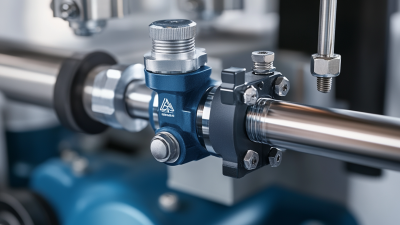
In the rapidly evolving landscape of automation and control systems, the Open Solenoid Valve has emerged as a critical component, enabling precise fluid and gas control across various applications.
According to a recent market research report by Grand View Research, the global solenoid valve market is projected to reach USD 6.53 billion by 2025, driven by increasing demand in sectors such as automotive, HVAC, and industrial automation.
As a leader in this field, Dongguan Asite Technology Co., Ltd. offers a diverse range of solenoid products, including open frame, tubular, push-pull, holding, latching, and rotary solenoids, alongside customized solutions tailored to meet specific customer needs.
Understanding the factors that contribute to optimal performance and reliability in Open Solenoid Valves is essential for businesses seeking to enhance their operational efficiency and product longevity.
This guide will provide a comprehensive checklist to assist you in making informed decisions when selecting the best Open Solenoid Valve for your applications.
Key Factors to Consider When Choosing an Open Solenoid Valve for Your System
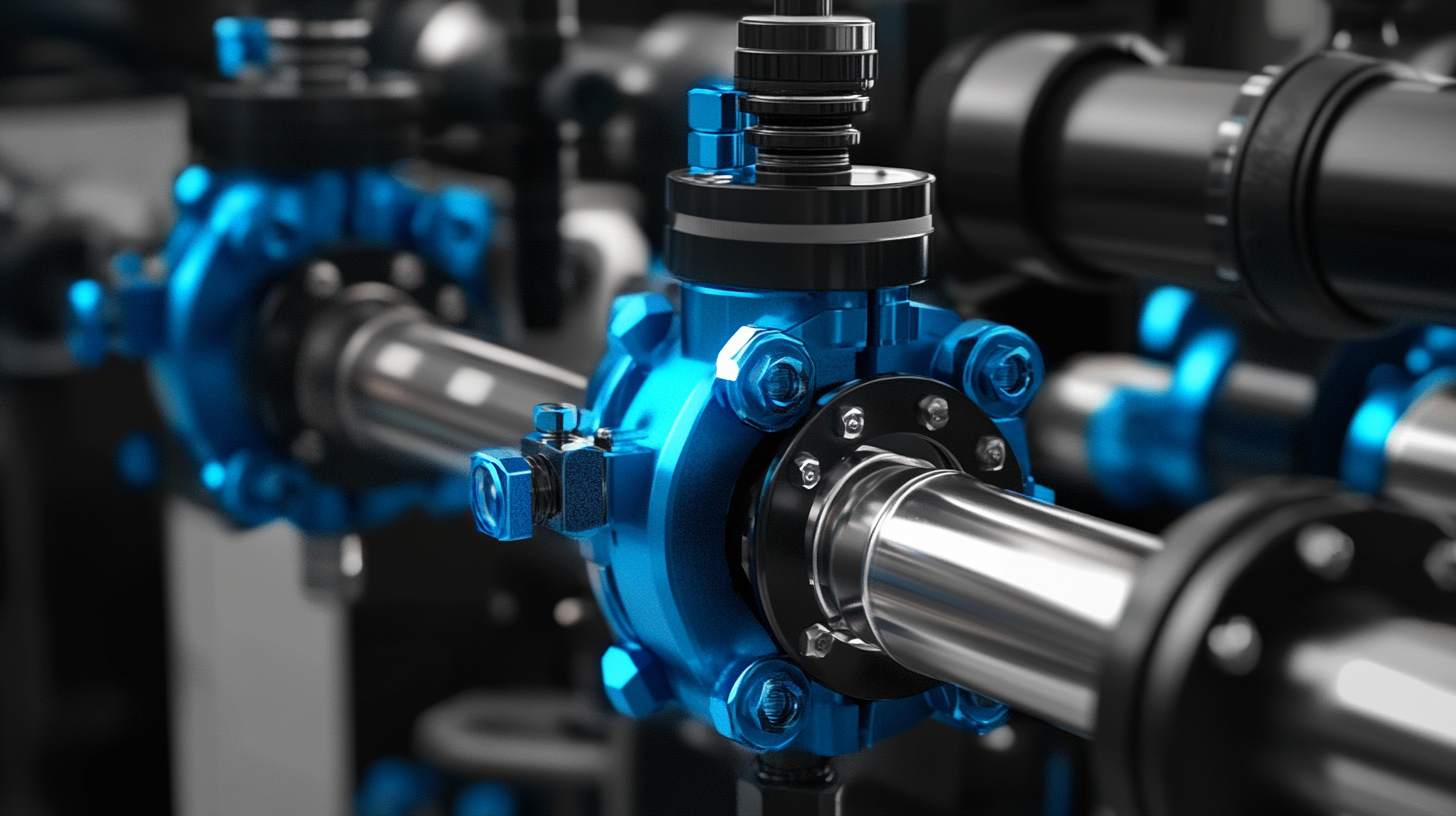
When selecting an open solenoid valve for your system, it's essential to consider several key factors that can affect performance and reliability. First and foremost, the valve’s operating pressure and temperature ratings must align with your application requirements. A mismatch can lead to premature failure or operational inefficiencies. Additionally, the fluid characteristics—such as viscosity, corrosiveness, and particulate load—play a critical role in determining the type of materials needed for the valve's construction.
Another vital consideration is the valve's electrical specifications. Ensure that the voltage and current ratings of the solenoid match your system’s electrical supply. This prevents overheating and enhances the lifespan of the solenoid. Furthermore, think about the installation space available in your setup, as different designs may require varying amounts of space for proper operation and maintenance access. By taking the time to evaluate these factors, you can select an open solenoid valve that not only meets your immediate needs but also contributes to the long-term reliability of your system.
Understanding the Different Types of Open Solenoid Valves Available in the Market
When selecting an open solenoid valve, understanding the various types available in the market is crucial for ensuring optimal performance and reliability. A notable advancement in solenoid valve technology includes parallel-connected valve stacks, which are specifically designed to operate efficiently within open-center systems. These designs do not recover effluent flow, as all 4-way sections receive direct power from the pump, thereby streamlining processes in pneumatic applications. The growing demand for precise control in fluidic applications highlights the importance of choosing the right valve type for specific industrial setups.
Industry reports indicate substantial growth in the solenoid valves market, projected to reach significant valuations by 2025. The automotive sector, in particular, is driving this growth, with the global automotive solenoid market expected to expand from USD 4.3 billion in 2021 to USD 6.2 billion by 2026, reflecting a robust compound annual growth rate of 7.3%. This rise emphasizes a trend towards enhanced efficiency and performance in varying applications, suggesting that businesses must stay informed about the types of solenoid valves available, from compact options for explosive atmospheres to specialized designs for high-pressure scenarios.

Top 5 Performance Features to Look for in High-Quality Open Solenoid Valves
When selecting high-quality open solenoid valves, it's crucial to focus on performance features that enhance reliability and efficiency. One significant feature is the valve response time. According to industry reports, solenoid valves with a quick response time (typically under 50 milliseconds) can significantly improve system performance, especially in applications requiring rapid actuation.
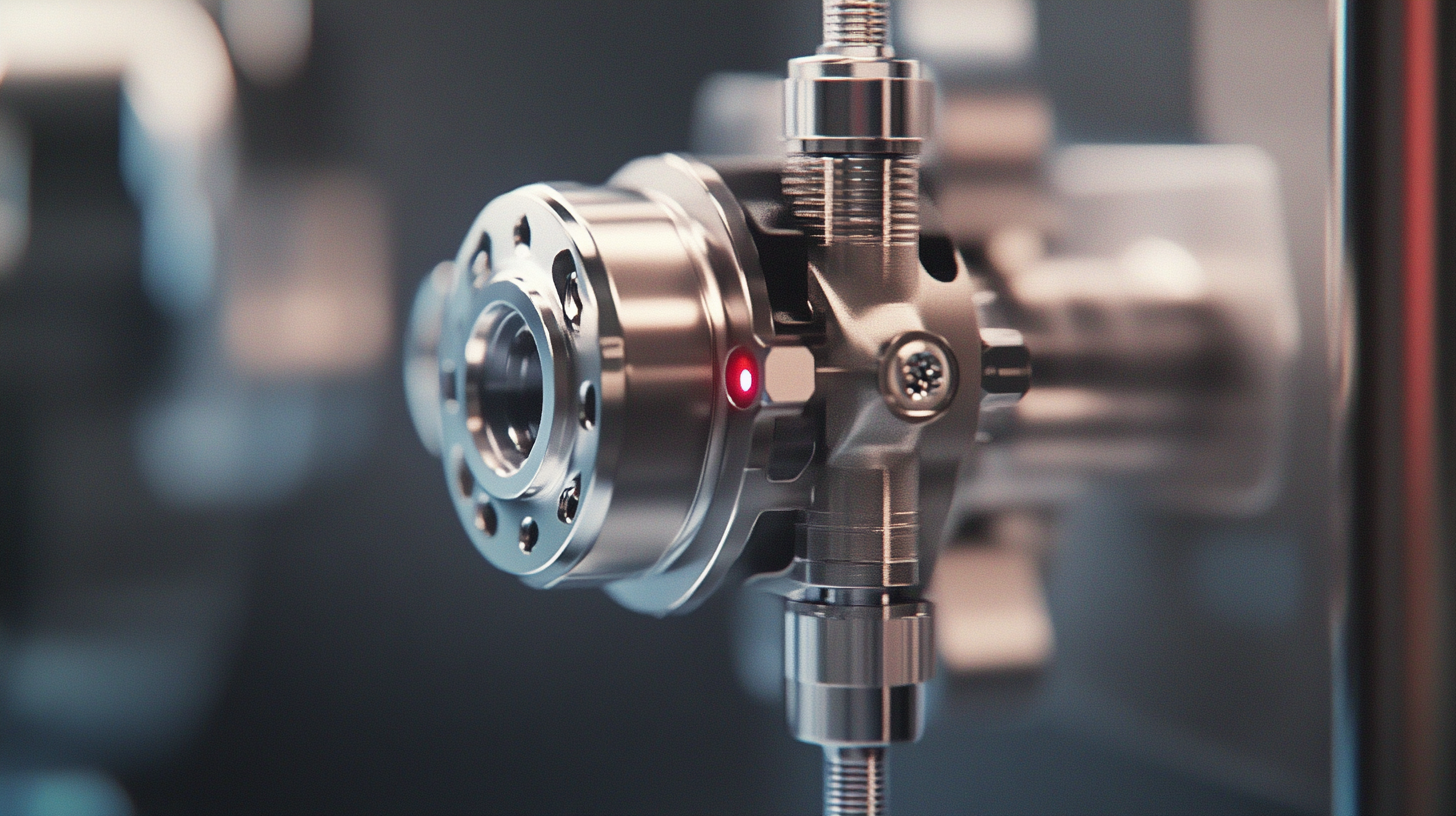
Another key feature is the material composition of the valve. Valves made from high-grade materials, such as stainless steel or brass, exhibit improved durability and resistance to corrosion, ensuring longer service life and reduced maintenance costs. Nanotechnology advancements in coatings have also been shown to enhance longevity, providing protection against wear and tear in harsh environments.
Tip: Always check the manufacturer's specifications for the corresponding pressure ratings and temperature tolerances of the solenoid valve. This data can directly impact the compatibility of the valve with your system.
Lastly, energy efficiency cannot be overlooked. High-quality solenoid valves are designed to consume less power while maintaining optimal performance. An energy-efficient valve not only reduces operational costs but also contributes to a more sustainable workflow.
Tip: Selecting valves with integrated power-saving features can yield significant long-term savings and contribute to environmental sustainability in your operations.
Common Mistakes to Avoid When Selecting an Open Solenoid Valve for Your Application
When selecting an open solenoid valve for your application, it's crucial to avoid common pitfalls that can lead to inefficient performance or costly failures. One frequent mistake is overlooking the valve's specifications, such as voltage requirements and flow rates. Always verify that the valve's electrical characteristics match your system's needs, as mismatched components can cause malfunctions or premature wear.
Tip: Always consider the voltage and flow rate specifications of the solenoid valve to ensure compatibility with your system.
Another common error is neglecting the compatibility of materials with the media being controlled. Several applications involve corrosive or high-temperature fluids, and using a valve made from unsuitable materials can lead to degradation. Ensure that you choose a solenoid valve made from materials that are resistant to your application's specific conditions, thereby enhancing longevity and reliability.
Important: Selecting the right materials is vital for the durability of the valve.
Additionally, many users fail to consider the installation requirements and space constraints during the selection process. It's essential to account for the physical dimensions and mounting options of the valve within your system layout. Proper fitting not only ensures optimal performance but also simplifies maintenance and troubleshooting in the future.
Reminder: Always check installation space and compatibility to avoid future issues.
By being aware of these common mistakes, you can make a more informed decision and enhance the overall efficiency of your application.
How to Evaluate the Reliability of Open Solenoid Valves for Long-Term Use
When selecting an open solenoid valve for long-term application, evaluating reliability is crucial. A recent industry report indicates that solenoid valves can experience a failure rate of up to 20% over five years if not chosen properly. To ensure optimal performance, it’s essential to consider factors such as the valves’ material compatibility, the environmental conditions in which they will operate, and their electrical characteristics. A comprehensive analysis should include reviews of the manufacturing standards and certifications that align with your application's requirements.
**Tips:** Always check for redundancy in critical systems; having a backup valve can prevent costly downtime. Additionally, conduct regular maintenance checks, which can increase the lifespan of solenoid valves significantly—studies show that routine inspections can reduce the likelihood of failure by up to 30%. Lastly, seeking valves with a proven track record in your specific industry can further enhance reliability, as established products often come with better support and warranty options.
Investing time in evaluating solenoid valve reliability not only saves costs in the long run but also ensures seamless operation in varied conditions.
Importance of Compatibility with Your Existing System for Open Solenoid Valves
When selecting an open solenoid valve, one of the most critical factors to consider is its compatibility with your existing system. A valve that doesn’t align with your current setup can lead to inefficiencies and potential operational failures. Whether you are integrating a new valve into an existing automation system or replacing a worn-out unit, ensuring compatibility with voltage, pressure, and flow characteristics is essential for seamless operation.
Furthermore, mechanical dimensions and connection types must also be scrutinized. It’s not just about whether the solenoid valve will fit; the connections—be it threaded, flanged, or other types—must match perfectly to prevent leaks and ensure reliability. A mismatched valve can not only cause functionality issues but may also increase maintenance costs and downtime. Therefore, when making your choice, always refer to your system specifications and consult with manufacturers to confirm that you are selecting the right open solenoid valve that will enhance both performance and longevity.
The Ultimate Guide to Choosing the Best Open Solenoid Valve for Optimal Performance and Reliability
| Feature |
Specification |
Importance |
Compatibility |
| Valve Type |
Open Solenoid Valve |
Direct control of flow |
Must match system requirements |
| Voltage |
24V DC |
Power supply compatibility |
Ensure power source matches |
| Size |
1/2 inch |
Flow rate efficiency |
Check compatibility with piping |
| Material |
Brass |
Durability and corrosion resistance |
Ensure compatibility with fluid |
| Response Time |
|
Operational efficiency |
Should align with system speed |
| Operating Pressure |
0-10 bar |
Safety and performance |
Verify with system pressure ratings |
Enhancing Your Automotive Experience: The Benefits of AS 0625 DC 12V Push Pull Solenoid for Headlight Operations
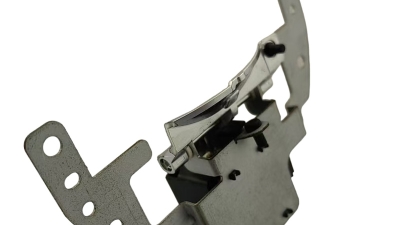
In today’s automotive landscape, enhancing your vehicle's lighting system not only boosts aesthetics but also ensures safety during night drives and adverse weather conditions. The AS 0625 DC 12V Push Pull Solenoid plays a vital role in optimizing headlight operations. This tiny yet powerful component acts as the backbone of your car headlights, allowing for seamless switching between high and low beams. With its robust construction, it promises stability and longevity, making it an essential upgrade for any car enthusiast looking to improve their vehicle's performance.
The functionality of the push pull solenoid is remarkable; it operates flawlessly in temperatures exceeding 200 degrees, which eliminates concerns about overheating and ensures consistent performance on the road. Its precise engineering, featuring pure copper wire for optimal conduction, highlights the importance of quality materials in automotive parts. Moreover, the easy installation process—thanks to strategically placed screw holes—means that even those with minimal technical knowledge can enhance their vehicle’s lighting with relative ease. This enhancement not only enriches the driving experience but also reflects a commitment to safety and style.
By integrating the AS 0625 solenoid into your headlight system, car owners can take a proactive approach to vehicle modification. As most drivers know, having reliable and efficient headlights is essential, and this solenoid exemplifies a perfect blend of quality, performance, and user-friendly design. Whether you are upgrading existing headlights or installing new ones, this product offers significant benefits that cannot be overlooked.
FAQS
: Common mistakes include overlooking the valve's specifications such as voltage requirements and flow rates, neglecting material compatibility with the media being controlled, and failing to consider installation requirements and space constraints.
Using a valve made from unsuitable materials can lead to degradation, especially in applications involving corrosive or high-temperature fluids. Choosing the right materials enhances longevity and reliability.
Proper consideration of installation requirements and space constraints is essential for optimal valve performance. It also simplifies future maintenance and troubleshooting.
Evaluating reliability is crucial since poorly chosen solenoid valves can have a failure rate of up to 20% over five years. Factors like material compatibility, environmental conditions, and electrical characteristics must be assessed to ensure optimal performance.
Always check for redundancy by having a backup valve, conduct regular maintenance checks, and seek valves with a proven track record in your industry to enhance reliability and reduce the likelihood of failure.
Ensure the valve aligns with your existing system in terms of voltage, pressure, flow characteristics, mechanical dimensions, and connection types to prevent inefficiencies, operational failures, and increased maintenance costs.
A mismatched valve can cause functionality issues, increase maintenance costs, lead to operational failures, and result in downtime, making it essential to confirm compatibility before selection.
Routine inspections can significantly increase the lifespan of solenoid valves and reduce the likelihood of failure by up to 30%, ensuring seamless operation over time.
Consulting with manufacturers ensures that you receive guidance on selecting the right open solenoid valve that meets your system specifications and enhances both performance and longevity.
Investing time in evaluation can save costs in the long run, ensure reliable and efficient operation, and prevent future operational disruptions caused by valve failures.