Bistable solenoids have really been catching the eye across a bunch of industries lately. Why? Well, they have this pretty cool ability to hold their position without constantly drawing power, which is a big win when you're trying to cut down on energy costs. I came across a recent report from Industry Research that estimates the global solenoid market could hit about 3.4 billion USD by 2026. That’s pretty impressive, especially with a compound annual growth rate of around 6.1%. The growth seems to be fueled largely by new advancements in automation and control tech, which is pretty exciting.
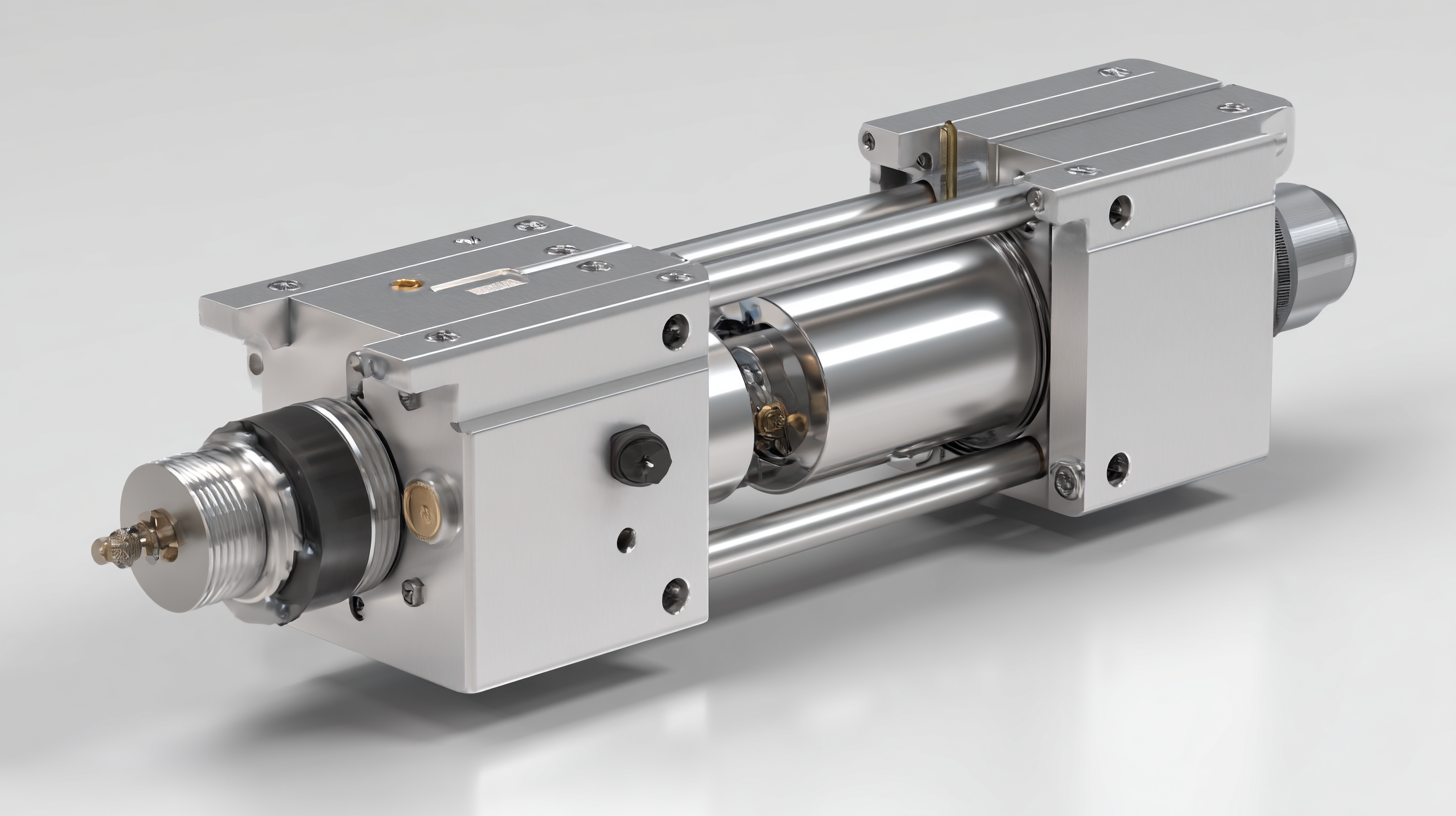
At Dongguan Asite Technology Co., Ltd., we’ve got a wide range of products—including bistable solenoids, but also push-pull, holding, latching, and rotary types. We’re always pushing the envelope with new designs, offering custom solutions that fit the needs of different industries—think automotive, smart home stuff, or robotics. In this blog, I want to explore how versatile bistable solenoids really are, and share some cool alternatives that could take your projects to the next level.
The Fundamental Advantages of Bistable Solenoids in Modern Engineering Applications
Bistable solenoids have really caught the attention of engineers these days, mainly because they can hold their position without needing continuous power. It’s pretty cool because this feature helps save energy and also allows for making systems that are both smaller and more reliable. You see them popping up everywhere — from cars to robots — because they offer some pretty awesome solutions for controlling movement and acting stuff.
When you're thinking about adding bistable solenoids into your projects, one thing to keep in mind is how low their power usage is. Using one can really help stretch your battery life, especially in portable gadgets. Plus, they don’t heat up much during operation, which is a big plus if you’re working on something that needs to stay cool or stable temperature-wise.
And another thing is, these little guys are super versatile. They can handle tough outdoor conditions — think dust, moisture, or rough environments — making them perfect for all sorts of applications that might be exposed to the elements. That kind of resilience not only expands their uses but also means your projects will last longer without any hiccups.
Key Performance Metrics of Bistable Solenoids vs. Traditional Solenoids
Bistable solenoids have really started to catch people's attention as a cool alternative to the usual solenoids, especially in cutting-edge applications where saving energy and versatility are a big deal. Unlike the regular ones that always need power to stay in place, bistable solenoids can switch between two stable positions without needing constant power, which means they use less energy overall. This feature is super handy, especially in things like the bistable point absorber wave energy converter — that device uses a mechanical motion rectifier to boost energy collection. These kinds of advancements really show how bistable devices could play a major role in making energy solutions more sustainable.
What sets bistable solenoids apart from the traditional options are some pretty impressive performance features. For example, they can hold their position without a continuous power supply, leading to more efficient designs across different applications. Recent innovations—like mechanisms with linear negative stiffness—make them even better at handling loads and using energy more efficiently. Here at Dongguan Asite Technology Co., Ltd., we totally get the potential of these tech advancements, which is why we offer a wide range of solenoid products—including bistable ones—designed to match specific project needs. This approach not only boosts how well the products work but also fits right into the growing push for energy-efficient solutions in various industries.
Exploring the Versatility of Bistable Solenoids: Innovative Alternatives for Your Projects
| Performance Metric |
Bistable Solenoids |
Traditional Solenoids |
| Power Consumption |
Low (typically 0.5 to 1.5 W) |
Higher (typically 2 to 5 W) |
| Actuation Speed |
Moderate (20-50 ms) |
Fast (5-15 ms) |
| Operating Cycles |
High (over 10 million) |
Limited (1-5 million) |
| Size and Weight |
Compact and lightweight |
Bulkier and heavier |
| Control Complexity |
Simpler (requires less circuitry) |
More complex (requires continuous power) |
Energy Efficiency Gains: How Bistable Solenoids Reduce Power Consumption
Bistable solenoids are really shaking things up across different industries, mainly because they’re so energy-efficient. Unlike your typical solenoid, which needs constant power just to stay in one position, bistable solenoids use magnetic latching tech to hold their state without using power all the time. A report from IDTechEx shows that, in some cases, switching to bistable solenoids can cut down energy use by up to 90%. That’s a pretty huge difference — it saves money, and honestly, it just makes things more eco-friendly overall.
The real impact of these solenoids shines especially in areas where automation and precise control are a big deal. Take automotive stuff, for example — bistable solenoids can operate different actuators while sipping power, which helps carmakers meet tighter energy rules. The International Energy Agency also highlights that switching to energy-efficient parts like these can really help cut down a facility’s carbon footprint. Overall, by bringing in these cool new solenoids, companies aren't just getting more efficient—they're also making a smart move toward a greener, more sustainable future.
Energy Efficiency Gains: The Impact of Bistable Solenoids
This chart illustrates the significant reduction in power consumption when utilizing bistable solenoids compared to standard solenoids. With a consumption of only 2W, bistable solenoids offer an efficient alternative for energy-conscious projects.
Applications Across Industries: Utilizing Bistable Solenoids for Innovative Design
Bistable solenoids have really become quite the versatile component across a bunch of industries. They’re pretty cool because they can hold their position without needing continuous power, which is a big win for things like robotics, car systems, and even smart home gadgets. Interestingly, a report from MarketsandMarkets predicts that by 2025, the worldwide solenoid market could hit around $6.5 billion — clearly, the hype around efficient and reliable actuation tech is only growing.
One of the coolest uses I’ve seen for bistable solenoids is in textile manufacturing, especially with some of the newer, more affordable Jacquard looms. Like, Carnegie Mellon University has a project showing how 3D printing can bring fancy weaving tech to hobbyists and small shops. By adding bistable solenoids, these looms gain super precise control, making it easier for folks to get creative and boost their productivity.
Pro tip: When you're thinking about using bistable solenoids in your projects, make sure to check out how much holding force you’ll need and how quickly they need to respond. Playing around with simulation tools beforehand can save you a lot of headaches — it’s a great way to optimize your design before you start actually building. And if you want your setup to stay flexible or upgrade easily later on, consider using modular parts so you can swap things out without too much fuss. Trust me, it makes life way simpler down the line.
Cost-Effectiveness: Analyzing the Economic Benefits of Bistable Solenoids
Bistable solenoids have really been catching on lately as a budget-friendly option for all sorts of applications, especially in automation and control systems. What's cool about them is that they can hold a position without needing continuous power—definitely a big plus compared to traditional solenoids. Industry folks are saying that using these devices not only cuts down on energy use but also slashes operational costs pretty significantly. In fact, some studies suggest that companies could save up to 30% on energy expenses just by swapping in bistable solenoids. That’s pretty impressive and makes them look quite appealing from a cost perspective.
When you're thinking about adding bistable solenoids into your setup, a good tip is to look at your actual power needs first. Focus on projects where saving energy can really make a difference financially. Also, getting clever with circuit designs—things like astable multivibrators—can bump up the efficiency of things like solenoid micropumps, making control simpler and more reliable without needing super fancy computer systems.
As manufacturers keep pushing out new innovations, it’s worth keeping an eye out for products that pack a punch—robust features at a good price point. For example, there are now affordable solenoid valves hitting the market that serve a bunch of industrial needs, offering sustainable options without sacrificing quality. Staying up-to-date with these developments can really help you pick the most cost-effective solutions for your upcoming projects.
Future Trends: The Evolving Role of Bistable Solenoids in Smart Technology
Bistable solenoids are really making waves in the world of smart tech. They offer some pretty neat advantages over the traditional ones, mainly because they can hold their position without needing constant power. That means they’re a lot more energy-friendly, which is a game-changer for devices that need reliable actuation without draining batteries or power sources all the time. As more and more smart devices pop up—think home automation, security systems, and robotics—the use of bistable solenoids is just growing. They’re opening up new possibilities and helping make these systems smarter and more efficient.
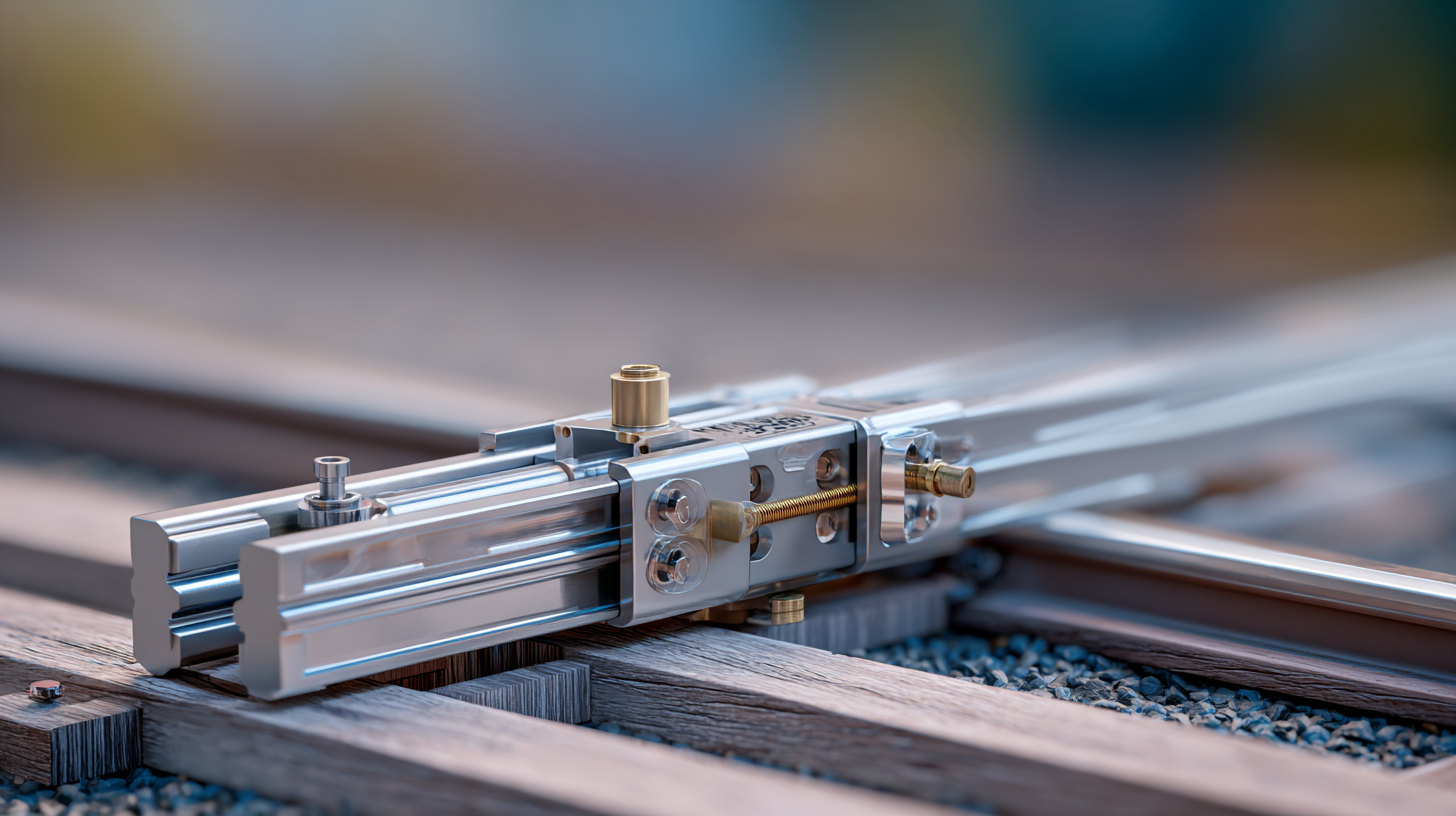 When you’re thinking about adding bistable solenoids to your project, it's good to keep in mind the power needs and the environment they'll be working in. Making sure they’re compatible with your existing setup can really boost performance and prevent headaches down the line.
And it's not just in general tech—it’s pretty cool how they’re making a difference in fields like automotive tech too. For example, they’re being used to improve locking systems, making cars safer and smarter. As companies keep pushing the envelope, we’re likely to see these components popping up in health tech, environmental monitoring, and a ton of other areas.
A little tip? Stay on top of new developments and trends in bistable solenoid tech. These little guys are probably gonna be key players in future smart solutions, so getting ahead of the curve can definitely give you an edge.
FAQS
: Bistable solenoids are a type of solenoid that can toggle between two stable states without requiring a constant power supply, leading to reduced energy consumption.
Unlike traditional solenoids that need constant power to maintain their position, bistable solenoids only consume power when switching states, significantly improving energy efficiency.
Bistable solenoids can reduce energy consumption and operational costs, with studies suggesting businesses could save up to 30% in energy costs by integrating them into their systems.
Bistable solenoids are particularly effective in automation and control systems, as well as innovative designs like the bistable point absorber wave energy converter.
It’s important to assess your application’s power requirements and identify projects where power savings can significantly impact costs.
Utilizing innovative circuit designs, such as astable multivibrators, can improve the efficiency of solenoid micropumps, enabling reliable control without complex computer systems.
Linear negative stiffness in bistable mechanisms contributes to improved load handling and energy efficiency, making them more effective for various applications.
Manufacturers are introducing cost-effective solenoid products with advanced features that meet diverse industrial needs, contributing to sustainable options without compromising quality.
Conclusion
When it comes to modern engineering, Bistable Solenoids are really making a splash as a pretty versatile solution. They actually have some pretty cool perks compared to traditional solenoids—like being more reliable and faster to respond. That’s why they’re finding a bunch of uses, from car tech to smart gadgets and more. One of the things I love about Bistable Solenoids is how energy-efficient they are—they really cut down on power usage, which can save a ton on costs in the long run. As tech continues to evolve, these tiny miracle components are set to shake things up even more, opening doors to more customized and advanced tech solutions suited for all sorts of projects.
At Dongguan Asite Technology Co., Ltd., we’re all about offering a wide range of solenoids, including these Bistable ones. We’re really committed to tailoring our products to fit exactly what our clients need. By adding these smart components into our designs, we’re not just boosting functionality—we’re also all about sustainability and keeping costs down, because that’s what smart engineering’s all about, right?