Leave Your Message
0%

You know, in today’s engineering world, square solenoids are really starting to catch some serious attention. If you ask Dr. James Turner, a well-known expert in electromagnetic actuators, he’d probably say something like, ‘Square solenoids are changing the game when it comes to compact designs because they make much better use of space and power.’ And honestly, that’s pretty much the core of why these little devices are making waves across different industries.

Exploring the Versatility of Square Solenoids: Applications and Innovations in Modern Engineering

Here at Dongguan Asite Technology Co., Ltd., we’re all about offering a wide variety of solenoids—think open frame, tubular, push-pull, holding, latching, rotary—and we also make related stuff like car lights and smart door locks. We’re super passionate about innovation, especially when it comes to exploring what square solenoids can do, since they’re becoming increasingly important in things like automotive tech, automation, and consumer gadgets. As tech keeps progressing, being able to customize and craft new solenoid designs to fit specific needs is pretty much essential if we want to stay ahead of the game.

Looking into square solenoids not only reveals just how many different applications they have, but it also opens doors to even more exciting innovations down the line. As we keep digging into this topic, I believe their role in improving efficiency, performance, and design will keep pushing the boundaries of what’s possible—eventually transforming the standards of modern engineering and making them a must-have component in today’s tech solutions.

Understanding the Fundamentals of Square Solenoids in Electromechanical Systems

Square solenoids are integral components in various electromechanical systems, serving as actuators to convert electrical energy into linear motion. Defined by their rectangular cross-section, these solenoids offer advantages over traditional cylindrical designs, particularly in applications requiring space efficiency and uniform force distribution. According to a 2022 report by the International Electromechanical Society, the demand for square solenoids has surged by 30% in automotive applications, particularly in actuating valves and retracting mechanisms.

When considering the design and operation of square solenoids, understanding their magnetic field characteristics is crucial. Their geometry allows for a compact configuration without compromising performance, which is essential in modern engineering where miniaturization is a key trend. Additionally, the thermal management in solenoid design has improved significantly, enabling higher efficiency and reduced energy consumption. Industry research indicates that implementing advanced materials can enhance the operational lifetime of solenoids by over 25%.

Tips: When selecting square solenoids for your projects, consider the required force and stroke length to ensure optimal performance. Additionally, keep an eye on the operating temperature range to prevent overheating, which can affect solenoid reliability. Regularly consulting up-to-date industry reports can help you stay informed about the latest advancements and emerging applications in the field.

Exploring the Versatility of Square Solenoids in Modern Engineering

Key Advantages of Square Solenoids Over Traditional Cylindrical Designs

Square solenoids are gaining popularity in modern engineering due to their unique advantages over traditional cylindrical designs. One of the primary benefits is their compact form factor, which allows for more efficient use of space within devices and machinery. This is particularly advantageous in applications where size and weight constraints are critical, such as in automotive and robotic systems. The square shape also facilitates better integration into circuit boards and compact assemblies, enhancing the overall design flexibility.

Another key advantage of square solenoids is their increased performance in certain applications. The square geometry can lead to improved magnetic field distribution, resulting in more uniform force generation and greater efficiency in energy conversion. Additionally, the flat sides of a square solenoid can provide easier mounting options and better heat dissipation compared to their cylindrical counterparts. As innovations continue in manufacturing processes and materials, the potential for square solenoids to fulfill a variety of specialized roles in modern engineering becomes even more pronounced.

Exploring the Versatility of Square Solenoids: Applications and Innovations in Modern Engineering

Innovative Applications of Square Solenoids in Robotics and Automation Industries

Square solenoids have emerged as a crucial component in the evolution of robotics and automation, offering distinct advantages in design flexibility and space optimization. According to a report by MarketsandMarkets, the global robotics market is expected to reach $189.36 billion by 2027, with automation technologies accounting for a significant share. Square solenoids, notably their compact and efficient design, play a vital role in reducing the overall size of robotic systems, enabling manufacturers to create smaller, more agile robots that can work effectively in constrained environments.

In the automation sector, square solenoids are increasingly used in various applications, from automated assembly lines to advanced material handling systems. Their versatility in configuration allows engineers to tailor solenoid designs to specific tasks, enhancing performance and reliability. A study by ResearchAndMarkets highlighted that the increasing demand for flexible automation solutions is driving innovation in actuator technology, with square solenoids becoming a preferred choice due to their ability to deliver precise control while minimizing energy consumption. This combination of efficiency and effectiveness not only streamlines manufacturing processes but also supports the shift towards sustainable practices within the industry.

Exploring Square Solenoid Performance in High-Precision Medical Devices

Exploring the Versatility of Square Solenoids: Applications and Innovations in Modern EngineeringSquare solenoids have gained significant traction in high-precision medical devices due to their unique design that enhances magnetic uniformity. Recent advancements in solenoid technology have emphasized the importance of fabrication techniques such as through-silicon vias (TSV) and surface micromachining. These methods enable the development of solenoids that can achieve uniform magnetic fields, crucial for applications in neuromodulation and other medical devices. Notably, research indicates that improved magnetic uniformity can enhance the performance of devices used for targeted medical therapies, reinforcing the relevance of solenoid design in modern engineering.

Moreover, the efficiency of coil winding processes directly impacts the reliability and performance of solenoids in these high-precision applications. For instance, employing state-of-the-art coil-winding machines has proven essential in optimizing the production of solenoids, enabling manufacturers to meet the increasing demand for high-performance medical devices. Reports indicate that advancements in coil winding technologies can lead to substantial reductions in production times while improving the consistency of solenoid coils, thereby positively influencing the overall efficacy of medical technologies.

Recent Trends in Square Solenoid Technology and Future Engineering Innovations

Recent advancements in square solenoid technology reflect a broader trend towards innovation and efficiency in modern engineering. As industries seek to streamline operations and enhance functionality, square solenoids are increasingly recognized for their compact design and versatile applications. This tech offers unique advantages in fields such as robotics, automation, and consumer electronics, where space and precision are critical. The pursuit of more sustainable and energy-efficient solutions has further catalyzed research and development in this area, leading to novel designs that optimize performance while reducing environmental impact.

Looking ahead, the future of square solenoid technology appears promising, with trends pointing towards integration with smart technologies and increased automation across sectors. As cities like Atlanta emerge as pivotal tech hubs, the melding of innovative engineering solutions with entrepreneurship is likely to drive rapid advancements. This synergy has the potential to yield next-generation square solenoids that adapt to real-time data, enhancing operational efficiency and responsiveness in various applications. As the visitor attractions industry continues its post-pandemic recovery, the incorporation of such technologies may redefine user experiences, emphasizing the role of engineering innovation in shaping modern attractions.

Market Analysis: Growth Projections for Square Solenoids in Industrial Applications

The market for square solenoids is anticipated to see significant growth in industrial applications, driven by advancements in automation and control systems. As industries increasingly adopt smart technologies, the demand for precise and efficient electrical components like square solenoids is projected to rise. A recent analysis highlights that the overall industrial control transformer market, closely linked to these developments, is poised to reach USD 10.42 billion by 2025, suggesting a solid foundation for related components.

Tips for choosing the right square solenoid include assessing the specific application requirements, such as voltage, current ratings, and physical dimensions, to ensure optimal performance. It's also essential to consider manufacturers' reliability and product innovation to stay ahead of industry trends. As industries evolve, incorporating advanced features like energy efficiency and compact designs becomes crucial.

Looking forward, the future of square solenoids appears promising, given the projected growth across several related markets—such as the industrial fasteners market, estimated to reach USD 42.14 billion by 2030. This aligns with the growing demand for integrated solutions that enhance the overall functionality and efficiency of industrial systems, making square solenoids an essential component in modern engineering innovations.

Guidelines for Selecting the Ideal Solenoid Coil: Key Factors and Recommendations

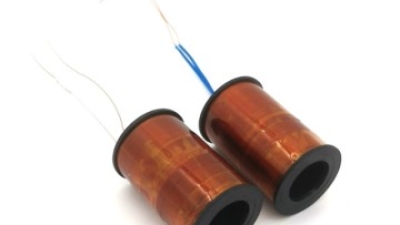
When selecting the ideal DC solenoid coil, it's essential to consider several key factors that influence performance and suitability for specific applications. One of the first factors to assess is the coil's size and configuration, as these elements must align with the physical constraints of the intended application. Coils come in various sizes and specifications, and selecting one that fits effectively within existing machinery or devices is crucial for optimal operation.

Another important consideration is the wire gauge used in the coil construction. The gauge affects the current carrying capacity and the coil's resistance, impacting both its efficiency and the amount of heat generated during operation. A thicker wire can handle more current and provide greater force in applications that require stronger magnetic fields, while a thinner wire may be adequate for lighter loads. Therefore, understanding the power requirements of your specific application can guide you in selecting the appropriate wire gauge.

Reliability and durability of the solenoid coil under varying conditions are equally critical. For applications exposed to harsh environments—such as those found in automotive or industrial settings—opting for coils designed to withstand such challenges is advisable. Features like weatherproofing and heat resistance can significantly increase the lifespan and performance stability of the solenoid, ensuring consistent operation even in extreme conditions. These considerations collectively play a vital role in ensuring that the solenoid coil selected meets both functional and environmental demands effectively.

FAQS

: What are the key benefits of square solenoids compared to traditional cylindrical designs?

: Square solenoids offer a compact form factor for efficient space usage, improved magnetic field distribution for uniform force generation, better mounting options, and enhanced heat dissipation.

Why are square solenoids particularly advantageous in automotive and robotic systems?

Their compact design helps meet the size and weight constraints critical in automotive and robotic applications, making them easier to integrate into devices.

How does the square shape of solenoids enhance design flexibility?

The square geometry allows for better integration into circuit boards and compact assemblies, offering more options for design configurations.

What recent trends are influencing the development of square solenoid technology?

Advances in technology driven by demands for efficiency, innovation, and sustainability in industries like robotics and automation are shaping the evolution of square solenoids.

What role do square solenoids play in energy efficiency and sustainability?

They contribute to more energy-efficient solutions, which has sparked research and development for designs that optimize performance while minimizing environmental impact.

How might future square solenoid technologies evolve?

Future developments may integrate smart technologies and automation, allowing square solenoids to adapt to real-time data for enhanced operational efficiency.

In what sectors are square solenoids becoming increasingly recognized for their advantages?

They are gaining recognition in robotics, automation, and consumer electronics, where compactness and precision are essential.

What influence does the tech hub emergence in cities like Atlanta have on square solenoid technology?

The synergy between innovative engineering solutions and entrepreneurship could accelerate advancements in square solenoid designs and applications.

How can square solenoids redefine user experiences in the visitor attractions industry?

By incorporating advanced technologies, square solenoids may enhance operational efficiency and responsiveness, thus redefining interactions in post-pandemic settings.

Conclusion

The article titled "Exploring the Versatility of Square Solenoids: Applications and Innovations in Modern Engineering" delves into the fundamental aspects of square solenoids and their importance in electromechanical systems. It highlights the key advantages of square solenoids, such as their compact design and efficiency, which make them superior to traditional cylindrical solenoids. The discussion extends to innovative applications in the robotics and automation sectors, where square solenoids are pivotal for enhancing performance and reliability.

Additionally, the article examines the critical role of square solenoids in high-precision medical devices, showcasing their ability to meet stringent requirements. Recent trends in square solenoid technology and future innovations are also addressed, alongside a market analysis projecting growth in their industrial applications. With a diverse product range including square solenoids, Dongguan Asite Technology Co., Ltd. is well-positioned to meet the evolving demands of various industries through customized and innovative solenoid solutions.


Isabella

Isabella

Isabella is a dedicated marketing professional at Dongguan Yaste Technology Co., Ltd., where her expertise shines through in every project she undertakes. With a profound understanding of the company's innovative products, Isabella excels at communicating their unique advantages to a broader......
Previous Global Solenoid Market Trends and Predictions for 2025