



Comprehensive Guide to Linear Solenoids

Comprehensive Guide to Linear Solenoids
Contents
Part 1: Understanding Linear Solenoids
Part 2: How do linear solenoids work?
Part 3: Different Types of Linear Solenoids
3.1 Pull Solenoid:
3.2 Push-in solenoid:
3.3 Tubular Solenoid:
3.4 Rotary Solenoid:
Part 4 : Common Applications of Linear Solenoids
4.1 Automotive Systems:
4.2 Industrial Machinery
4.3 Consumer Electronics
4.4 Medical Devices:
4.5 Security Systems:
4.6 Open Frame Solenoids
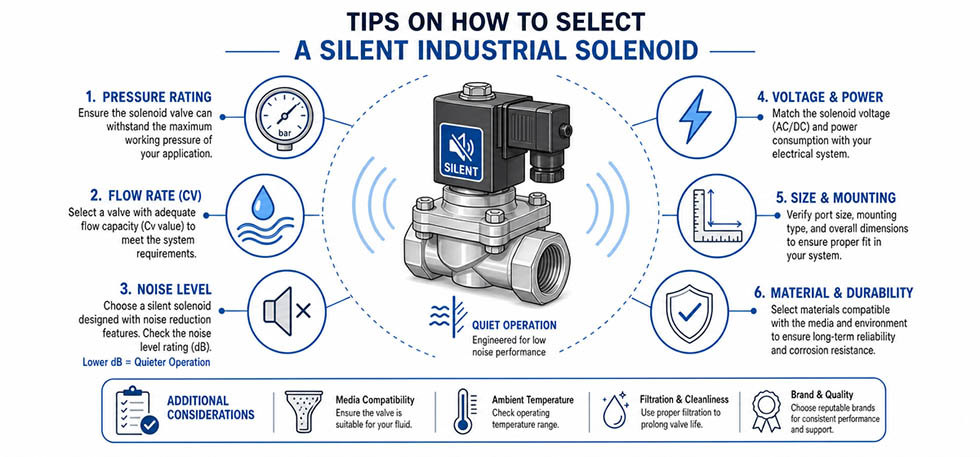
Part 5 : Key Considerations for Selecting Linear Solenoids
5.1 Stroke Length:
5.2 Force Output:
5.3 Response Time:
5.4 Voltage and Current Requirements
5.5 Environmental Conditions:
Part 6 : Summery of Linear Solenoid
6.1 What is a linear solenoid?
6.2 How does a linear solenoid work?
6.3 What are the common applications of linear solenoids?
6.4 Can linear solenoids be used in high - temperature environments?
6.5 How do I choose the right linear solenoid for my application?
6.6 What is the difference between a normally open and a normally closed linear solenoid?
6.7 What voltage do linear solenoids typically operate at?
6.8 How much current does a linear solenoid draw?
Part 7 : Linear Solenoid FAQs
Part 1 : Understanding Linear Solenoids
A linear solenoid is an electromechanical device that converts the electrical energy into linear motion. The linear solenoid consist of a coil of wire wrapped around a movable ferromagnetic core, often called a plunger or armature. When DC or AC current flows through the solenoid coil, it creates a magnetic field that interacts with the ferromagnetic core, causing it to move linearly within the solenoid housing. These devices are commonly used in a variety of applications that require precise linear motion, such as automotive systems, industrial machinery, and consumer electronics. They are valued for their simplicity, reliability, and cost-effectiveness. Linear solenoids are available in different sizes and configurations to meet specific requirements. They can vary in coil voltage, stroke length, force output, and response time. Some solenoids are designed with built-in features, such as return springs or position sensors, to enhance their functionality. Overall, linear solenoids play a vital role in many industries, providing controlled linear motion for a variety of applications. Understanding their basic principles and functions is essential for anyone working with electronically systems or doing DIY projects involving automation or actuation.
Part 2 : How do linear solenoids work?
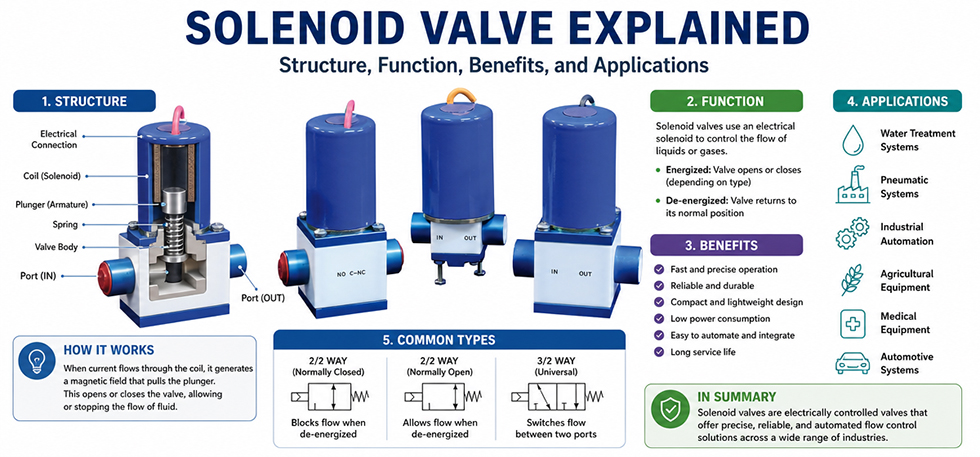
Linear solenoids work on the principle of electromagnetism. When current flows through a coil of wire wrapped around a ferromagnetic core, it creates a magnetic field. This magnetic field interacts with the ferromagnetic core, causing it to move linearly within the solenoid housing.
The movement of the core is determined by the direction of the magnetic field and the polarity of the current passing through the coil. When power is applied, the core is either attracted to the solenoid's coil or repelled, depending on the direction of the magnetic field.
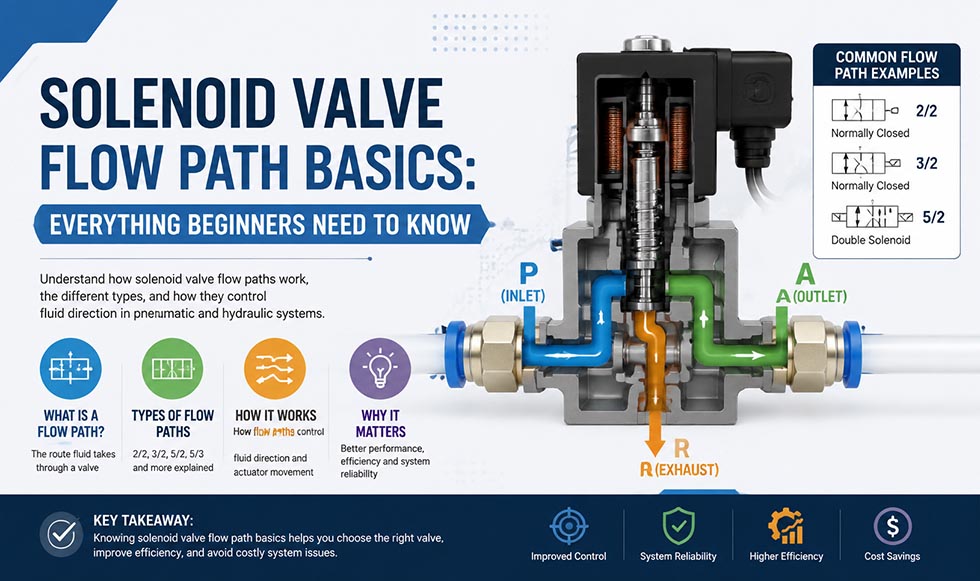
Depending on the specific application requirements, the linear motion of the core can be used for a variety of purposes, such as actuating valves, switches or levers. The stroke length, force output and response time of the solenoid can be adjusted by controlling parameters such as coil voltage, number of coil windings, and the design of the core and housing.
Overall, the operation of linear solenoids is simple yet effective, making them an indispensable component in a wide variety of electromechanical systems and applications. Understanding the principles behind their operation is essential to effectively utilizing them in a variety of projects and industries.
Part 3 : Different Types of Linear Solenoids
There are many types of linear solenoids, each designed for specific applications and operating conditions. Here are some common types:
3.1 Pull Solenoid:
These solenoids are designed to pull a plunger or armature into a coil when power is applied. They are often used in applications where a pulling action is required, such as door locks, automotive starting systems, and vending machines.
3.2 Push-in solenoid:
Push solenoids work in the opposite way to pull solenoids. They push a plunger or armature out of the coil when energized. These solenoids can be used in devices such as pneumatic valves, switches, and industrial automation systems.
Tubular solenoids are cylindrical in shape and typically have longer stroke lengths. They are often used in applications that require high force output and precise linear motion, such as medical devices, printing equipment, and textile machinery.
3.4 Rotary Solenoid:
Although not strictly a linear solenoid, a rotary solenoid converts electrical energy into rotary motion. They are used in applications where rotary motion is required, such as locking mechanisms, electric actuators, and robotic systems.
Part 4 : Common Applications of Linear Solenoids
Linear solenoids are used in a wide variety of industries and applications due to their versatility and reliability. Some common applications include:
4.1 Automotive Systems: Linear solenoids are used in automotive applications for functions such as controlling fuel injectors, actuating automatic transmission valves, operating door locks and latches, and controlling the air intake system.
4.2 Industrial Machinery: In industrial settings, linear solenoids play a vital role in machinery such as valve actuation, conveyor belt control, sorting mechanisms, and robotic arm motion.
4.3 Consumer Electronics: Linear solenoids are used in a variety of consumer electronic devices such as vibration alerts in cell phones, autofocus mechanisms in cameras, and actuation of switches and sliders in a variety of devices.
4.4 Medical Devices: Linear solenoids are used in medical devices for tasks such as controlling the flow of fluids in infusion pumps, actuating valves in diagnostic equipment, and operating surgical instruments.
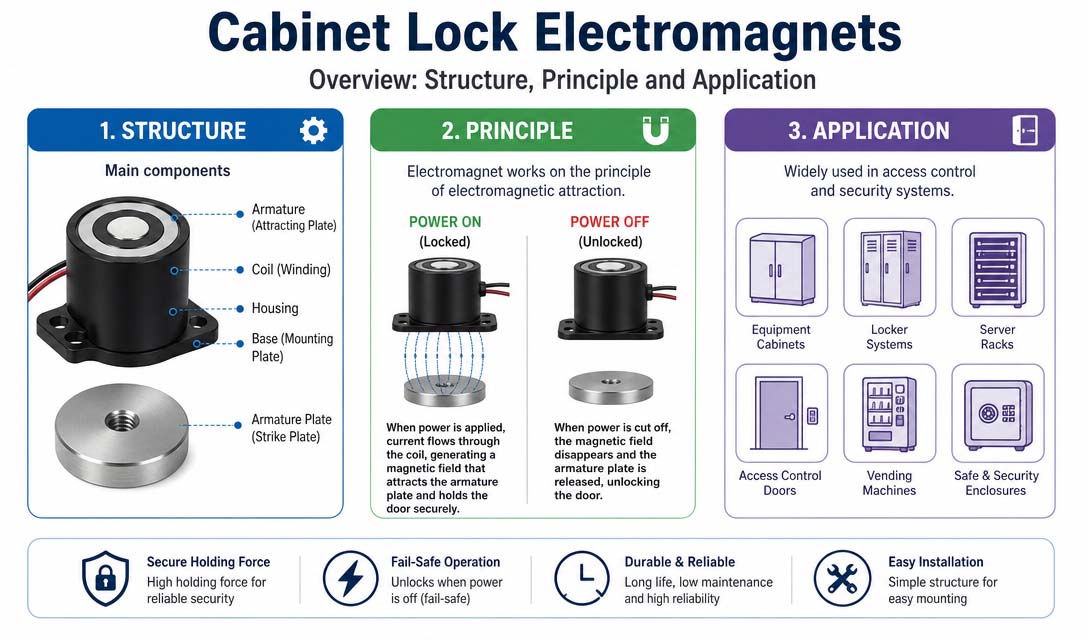
4.5 Security Systems: Linear solenoids are integral to security systems including door locks, access control systems, electronic safes, and locking mechanisms for cabinets and enclosures.
4.6 Open Frame Solenoids: Open solenoids have an exposed coil and are often used in applications where space is limited. They are often used in small appliances, electronic locks, and control systems.
Part 5 : Key Considerations for Selecting Linear Solenoids
When selecting a linear solenoid for a specific application, several key factors should be considered to ensure optimal performance and compatibility:
5.1 Stroke Length: Determine the distance the solenoid’s plunger or armature needs to move to perform its intended function. Select a solenoid with a stroke length that matches this requirement.
5.2 Force Output: Consider the force required to actuate the load or component in the application. Select a solenoid with sufficient force output to reliably perform the required task. 5.3 Response Time: Evaluate how quickly the solenoid must actuate in response to an electrical signal. Select a solenoid with a response time that matches the required performance characteristics of the system.
5.4 Voltage and Current Requirements: Make sure the solenoid’s voltage and current ratings match the application’s electrical specifications to prevent damage and ensure proper operation. 5.5 Environmental Conditions: Evaluate the environmental conditions in which the solenoid will operate, including factors such as temperature, humidity, and exposure to dust or moisture. Select a solenoid with the appropriate environmental protection and durability features for reliable performance in harsh conditions.
Part 6 : Summery of Linear Solenoid
6.1 What is a linear solenoid?
A linear solenoid is an magnet device that converts electrical energy into linear mechanical motion. It consists of a copper coil of wire (built in the housing of the solenoid) and a movable plunger (usually made of a ferromagnetic material) that is pulled or pushed along a linear plunger when the solenoid coil is energized.
6.2 How does a linear solenoid work?
When an electric current passes through the solenoid coil, it creates a magnetic field. This magnetic field attracts or repels the core or the plunger, depending on the design and polarity of the solenoid. The force exerted on the core causes it to move in a linear direction, either into or out of the solenoid coil.
6.3 What are the common applications of linear solenoids?
Linear solenoids are used in a wide variety of applications, including automotive starters, it cause starter solenoid, where they engage the starter motor with the engine's flywheel; in solenoid valves for controlling the flow of fluids or gases in plumbing and industrial systems; in smart locks for security applications; and in many types of mechanical actuators for automation and robotics.
6.4 Can linear solenoids be used in high - temperature environments?
Some linear solenoids are designed for high - temperature applications. They use special materials and insulation that can withstand high temperatures. However, standard solenoids may have limitations in high - temperature environments, as the performance of the solenoid coil and magnetic materials can be affected by heating. It's important to choose a solenoid with the appropriate temperature rating for the specific application.
6.5 How do I choose the right linear solenoid for my application?
Consider factors such as the required force output, stroke length (the distance the plunger needs to move), operating voltage, duty cycle (the percentage of time the solenoid is energized), and environmental conditions. You also need to consider the physical size and mounting options to ensure the solenoid is fitted into your device or system.
6.6 What is the difference between a normally open frame solenoid and a normally closed linear solenoid?
A normally open solenoid is in the open position (the core is retracted) when the solenoid is de - energized. When energized, the core moves to the closed position. A normally closed solenoid is the opposite: it is in the closed position (the core is extended) when de - energized, and moves to the open position when energized. The choice between the two depends on the specific requirements of the application and the desired state of the solenoid in its default (unpowered) condition.
6.7 What voltage do linear solenoids typically operate at?
Linear solenoids can be designed to operate at a variety of voltages, including common DC voltages such as 12V DC solenoid, 24V Solenoid valve, and 48V high efficient rotart solenoid , as well as AC voltages. The specific operating voltage depends on the application and the power supply requirement. Some solenoids may also be designed for use with specialized power sources or variable - voltage systems.
6.8 How much current does a linear solenoid draw?
The current drawn by a linear solenoid depends on its resistance and the applied voltage, according to Ohm's law (I = V/R). Additionally, the force requirements and the duty cycle of the solenoid can affect the average current consumption. Solenoids with higher force requirements or longer duty cycles will generally draw more current. It's important to ensure that the power supply can provide sufficient current to meet the solenoid's requirements without overloading.
Part 7 : Linear Solenoid FAQs
What is the difference between linear solenoids and rotary solenoids?
Linear solenoids convert electrical energy into linear motion, while rotary solenoids convert electrical energy into rotary motion.
How to Determine the Stroke Length of a Bushing Solenoid
The stroke length of a linear solenoid is usually specified by the manufacturer and refers to the maximum distance the plunger or armature can travel when energized.
Can a linear solenoid be remotely controlled?
Yes, linear solenoids can be remotely controlled using an electrical signal from a switch, relay, microcontroller or other control device.
How do I maintain a linear solenoid?
Regular maintenance of linear solenoids includes checking for any signs of wear or damage to the coil, core, and mechanical components. Clean the solenoid regularly to remove any dust or debris that could affect its performance. Also, check the electrical connections to ensure they are secure and free of corrosion. If the solenoid is used in a harsh environment, such as one with high humidity or corrosive gases, additional protective measures may be necessary.
What are some common problems with linear solenoids and what is the solution?
the Common problems include the solenoid not operating (which could be due to a faulty power supply, a broken solenoid coil, or a stuck core), over heating generation (possibly caused by over - current or a short - circuit in the coil), and reduced force output (which may be due to wear on the core or a weakening of the magnetic field). For the solution, start by checking the power supply and electrical connections. Then, visually inspect the coil and core for any signs of damage. If possible, use a multimeter to check the resistance of the solenoid coil and ensure it is within the specified range. If the problem persists, it may be necessary to replace the solenoid or have it repaired by a qualified technician. If you need any help and a project need to use the linear solenoid, pls feel free to contact us today.